
Louisiana GOP Primary Tests Trump Influence on Party
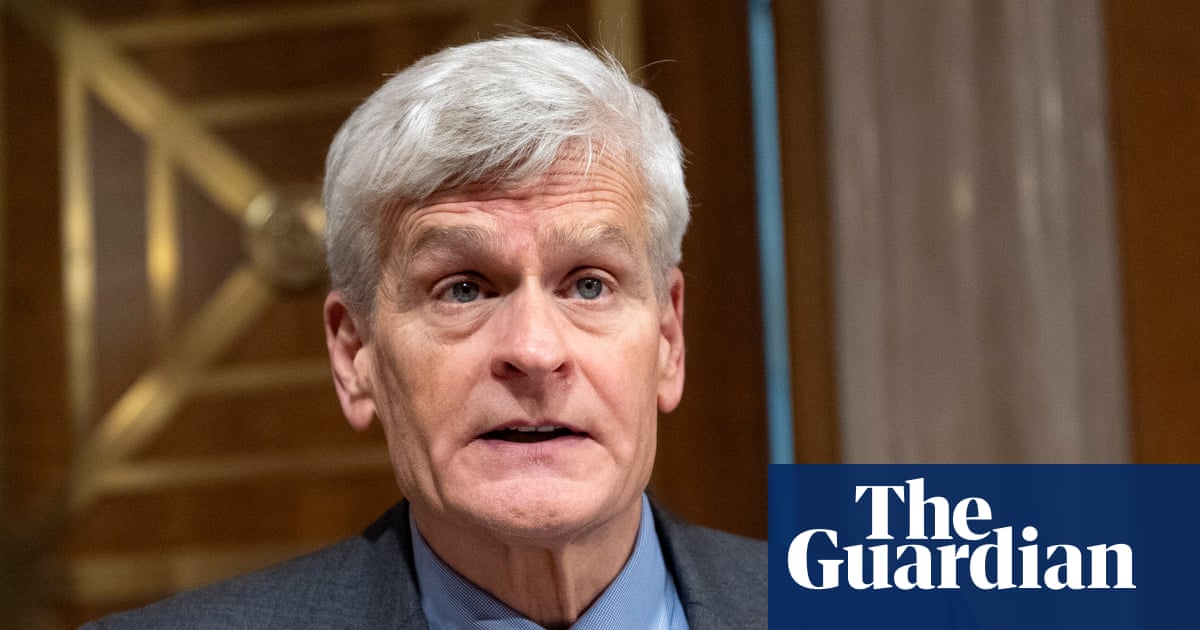
Cover image from theguardian.com, which was analyzed for this article
GOP Senator Bill Cassidy faces a primary challenge after his past impeachment vote against Trump. The race highlights ongoing Republican divisions over loyalty to the president.
PoliticalOS
Saturday, May 16, 2026 — Politics
The primary measures whether Trump’s endorsement can defeat an incumbent who has since supported most of his agenda. Cassidy’s survival depends on whether voters prioritize his legislative record and pro-life backing over the 2021 impeachment vote and the president’s preference for Letlow.
What outlets missed
Most coverage omitted recent Emerson College polling that placed Cassidy in third place at 21 percent among likely Republican primary voters. Few outlets detailed the exact dollar amounts Cassidy’s campaign and allies spent on ads attacking Letlow’s past DEI statements or the specific infrastructure projects funded by the 2021 bipartisan law in Louisiana. Local reporting on Landry’s separate criticisms of Cassidy regarding judicial appointments and immigration enforcement also received little attention outside state outlets.
Trump Backs Challenger in Louisiana Senate Primary Against Cassidy
Louisiana voters head to the polls Saturday in a Republican primary that will test the reach of President Trump's influence within his party. Sen. Bill Cassidy, a two-term incumbent and physician, faces Rep. Julia Letlow and state Treasurer John Fleming in a contest shaped by Cassidy's 2021 vote to convict Trump during impeachment proceedings and by recent disagreements over health policy.
Cassidy secured reelection easily six years ago in a state that strongly favors Republicans. His decision to join six other Senate Republicans in voting to convict Trump over the January 6 Capitol events drew immediate criticism from Trump allies. Since then Cassidy has cooperated with the administration on several fronts, including casting a decisive vote to confirm Robert F. Kennedy Jr. as Health and Human Services secretary. Yet differences have emerged on vaccine schedules and advisory panels, areas where Cassidy's medical background has informed his positions.
Trump endorsed Letlow in January and has described Cassidy as disloyal. On Friday the president praised Letlow as a proven winner who has delivered for Louisiana. Gov. Jeff Landry has aligned with the endorsement. Fleming, a former congressman, has also positioned himself as a stronger alternative aligned with Trump priorities. Polls suggest none of the three is likely to reach the 50 percent threshold needed to avoid a June 27 runoff between the top two finishers.
Senate Republican leaders have offered public support for the incumbent. Majority Leader John Thune called Cassidy a terrific senator for Louisiana and noted that the National Republican Senatorial Committee backs incumbents as a general practice. This stance contrasts with Trump's direct involvement, which has already produced results in Indiana where several state senators who opposed his redistricting push were defeated in their primaries.
Cassidy has emphasized his legislative record and ability to advance bills through Congress regardless of past disagreements. Letlow has focused on questions of party loyalty, arguing voters should not have to question a senator's reliability under pressure. Fleming has highlighted his executive experience in state government. The race occurs in a solidly Republican state where the winner of the nomination will be heavily favored in the general election.
The outcome will provide another data point on whether personal loyalty to Trump outweighs demonstrated policy work and institutional knowledge in GOP contests. Cassidy's survival or defeat will also reveal how primary voters weigh a senator's independent judgments against the advantages of unified party support for the president's agenda.
You just read Conservative's take. Want to read what actually happened?
More in Politics
Democrats Flip Senate, Expand House Majority in Midterms
Democrats flipped the Senate and expanded their House majority in a major rebuke to President Trump and Republicans. Key victories included multiple Senate seats and state-level wins that ended long-standing GOP dominance in places like Texas.
GOP Losses Spur Blame, Vance Distancing, 2028 Maneuvers
Republicans are pointing fingers internally after heavy losses, with Vice President JD Vance distancing himself from Trump over the Iran war and positioning for a potential 2028 run. Challengers within the party are already sensing opportunity.
Democrats Take House and Senate Amid Record Midterm Turnout
Democrats achieved decisive gains in the 2026 midterms, flipping seats to take control of both chambers. Coverage highlights historic turnout and implications for the Trump administration.
Democrats Take House and Senate, Constraining Trump
Democrats flipped both the House and Senate in a major rebuke to President Trump and Republicans. The results create divided government and set up battles over spending, oversight, and foreign policy for the remainder of Trump's term.
The Compass
You just read five takes on one story.
What's your take? Find your political shape in a few minutes.
Take the test