
Louisiana GOP Primary Tests Trump Influence on Party
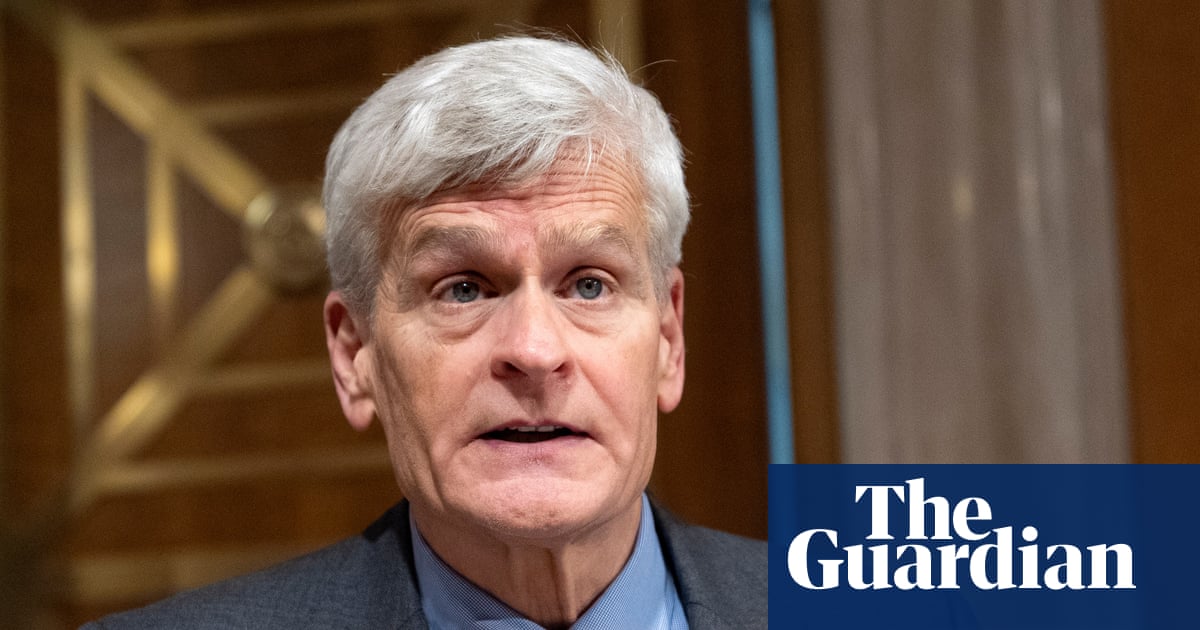
Cover image from theguardian.com, which was analyzed for this article
GOP Senator Bill Cassidy faces a primary challenge after his past impeachment vote against Trump. The race highlights ongoing Republican divisions over loyalty to the president.
PoliticalOS
Saturday, May 16, 2026 — Politics
The primary measures whether Trump’s endorsement can defeat an incumbent who has since supported most of his agenda. Cassidy’s survival depends on whether voters prioritize his legislative record and pro-life backing over the 2021 impeachment vote and the president’s preference for Letlow.
What outlets missed
Most coverage omitted recent Emerson College polling that placed Cassidy in third place at 21 percent among likely Republican primary voters. Few outlets detailed the exact dollar amounts Cassidy’s campaign and allies spent on ads attacking Letlow’s past DEI statements or the specific infrastructure projects funded by the 2021 bipartisan law in Louisiana. Local reporting on Landry’s separate criticisms of Cassidy regarding judicial appointments and immigration enforcement also received little attention outside state outlets.
Trump Targets Louisiana Senator in Test of Party Loyalty
Louisiana Republicans head to the polls Saturday in a Senate primary that highlights President Donald Trump's ongoing effort to reshape the GOP around personal loyalty. The contest pits incumbent Sen. Bill Cassidy against two challengers, including one backed by the White House, and comes weeks after Trump allies defeated five Indiana state senators who blocked a redistricting plan the president favored.
Cassidy, a physician serving his second term, drew Trump's lasting enmity by voting to convict him in the 2021 Senate impeachment trial over the January 6 Capitol attack. Though the senator later supported several administration priorities, including casting a decisive vote to confirm Health and Human Services Secretary Robert F. Kennedy Jr., that record has not insulated him. Trump endorsed Rep. Julia Letlow in January and has repeatedly labeled Cassidy disloyal. State Treasurer John Fleming, a former congressman, is also running and has positioned himself as an alternative aligned with the president.
Recent polling shows Cassidy trailing both opponents among likely Republican voters, raising the possibility that no candidate will secure the majority needed to avoid a June 27 runoff. The primary therefore functions less as a conventional reelection test and more as a referendum on whether past deviations from Trump’s line can be forgiven in a state the president has carried decisively three times.
Senate Republican leaders have offered Cassidy unusually public support. Majority Leader John Thune described him as a “terrific senator” and noted the National Republican Senatorial Committee’s standard practice of backing incumbents. That stance underscores a persistent tension within the party: while Trump commands the primary electorate’s attention, institutional figures still value legislative experience and committee work. Cassidy chairs the Senate health committee and has emphasized his ability to advance bills that reach the president’s desk.
The race also reflects broader patterns in how intraparty challenges are now conducted. Trump’s intervention in Indiana demonstrated that even state-level resistance to his agenda can trigger coordinated primary efforts. In Louisiana the same dynamic appears at the federal level, with the president using endorsements and social-media pressure to narrow the range of acceptable behavior for Republican officeholders. Letlow has focused her campaign on Cassidy’s 2021 vote, arguing that voters should not have to question a senator’s reliability under pressure.
Cassidy has countered by stressing policy output over symbolic loyalty, pointing to legislation signed into law and his continued engagement with the administration on health issues. He has acknowledged that the impeachment vote remains a political liability but has argued that voters should weigh his record of cooperation since then. Whether that argument resonates in a low-turnout primary remains uncertain; turnout models in similar contests have often favored the candidate with the strongest Trump association.
If Cassidy falls short, the outcome would add to a lengthening list of Republicans whose careers ended after crossing the president. The larger question is what such results imply for the Senate’s capacity to check executive power or sustain independent policy development. Primaries that reward demonstrated allegiance tend to produce lawmakers more responsive to the national party leader than to local constituencies or institutional norms. Saturday’s vote offers the latest data point on whether that incentive structure has become the dominant feature of Republican nomination contests.
You just read Liberal's take. Want to read what actually happened?
More in Politics

Trump Defends Ramaswamy Ad Using Estranged Mother in Ohio Race
President Trump defended a GOP nominee's ad featuring a Democratic opponent's estranged mother, calling it powerful, while drawing criticism from some Republicans including Ohio Gov. Mike DeWine. The ad has sparked internal GOP tensions ahead of midterms.
Federal Raid Targets Omar Amid Unresolved Name and Marriage Allegations
Agents searched Rep. Ilhan Omar's DC residence over immigration fraud allegations; she called it bizarre. Reports and commentary questioned her birth name and past marriage details.

Supreme Court Upholds New Hampshire Student ID Voting Ban
The Supreme Court upheld New Hampshire's ban on student IDs as valid voter identification just before midterms, affecting a tight Senate race.
Early Voting Hits 21 Million as Most Trust Midterm Accuracy
Millions have already voted early as parties make final appeals amid $1.4 billion in ad spending; polls show confidence in election accuracy.
The Compass
You just read five takes on one story.
What's your take? Find your political shape in a few minutes.
Take the test