
Lutnick Answers Questions on Epstein Ties in Closed-Door House Interview
Cover image from foxnews.com, which was analyzed for this article
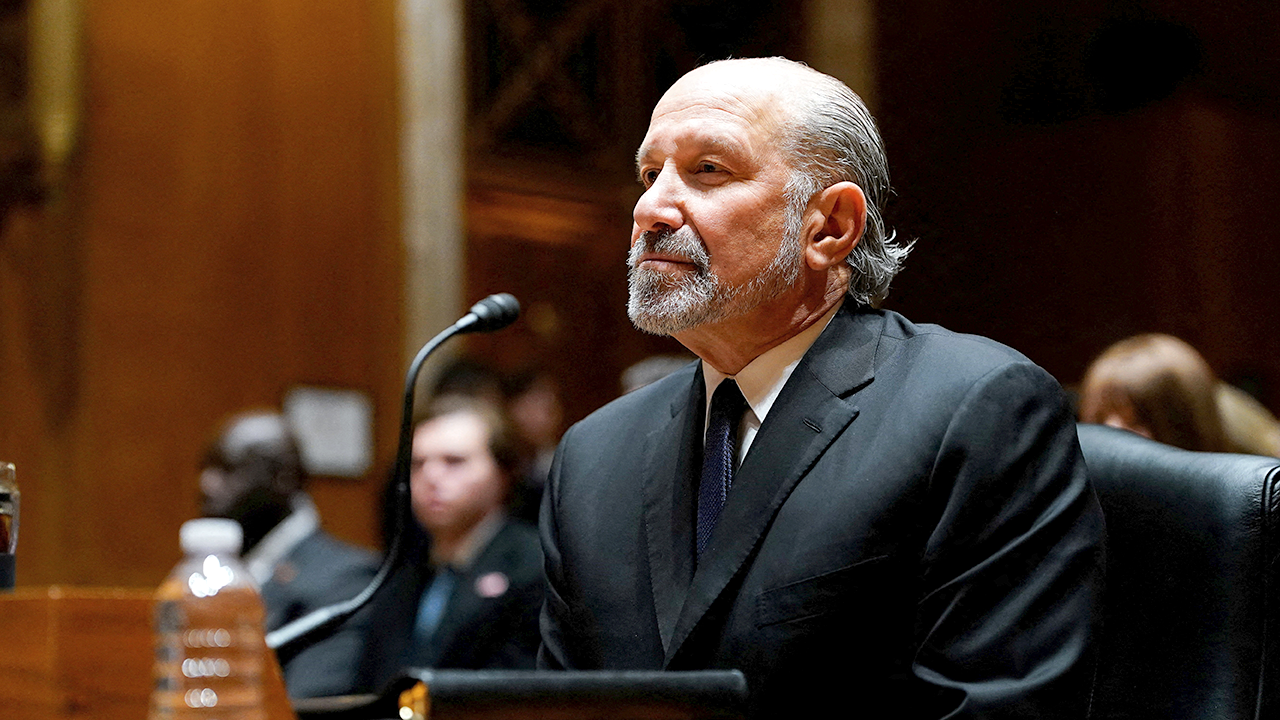
Howard Lutnick, Trump's Commerce Secretary, is testifying in a closed-door House session over his past connections to Jeffrey Epstein. The probe highlights scrutiny on Trump administration officials' associations. Lawmakers seek details on any Epstein links.
PoliticalOS
Wednesday, May 6, 2026 — Politics
Howard Lutnick voluntarily answered congressional questions about contacts with Jeffrey Epstein that continued after he said he had cut ties in 2005. The documented interactions include a 2012 family lunch on Epstein’s island and business overlaps, but Lutnick has consistently described them as limited and innocuous, with his wife and children present where relevant. No evidence of illegal conduct has surfaced; the episode reflects continued congressional examination of Epstein’s once-powerful network rather than new accusations against the commerce secretary.
What outlets missed
Most accounts downplayed or omitted that the House Oversight probe is led by Republican Chairman James Comer, who publicly praised Lutnick's voluntary cooperation and transparency. The 2012 island visit occurred in a supervised family setting with Lutnick's wife, children and nannies present for the entire one-hour lunch, according to his Senate testimony and multiple reports. Business ties between Lutnick-linked firms and Epstein entities, reported by CBS through at least 2014, provide context for some post-2005 contacts beyond purely social encounters. Low expected attendance due to congressional recess received little attention, reducing the likelihood of any intense confrontation. Finally, the absence of any accusation of illegal conduct against Lutnick was often buried beneath dramatic language about "grilling" or "showdowns."
Trump Commerce Secretary Faces Scrutiny Over Contradictory Epstein Story
Howard Lutnick, President Trump's Commerce Secretary and a billionaire Wall Street veteran, sat for a closed-door transcribed interview Wednesday with the House Oversight Committee to answer questions about his longstanding relationship with Jeffrey Epstein. The session comes as the congressional probe into the dead sex offender's network drags more Trump administration figures into a scandal that reveals how elite connections often matter more than public denials or basic decency.
Lutnick volunteered to appear after Democrats on the committee, led by Ranking Member Robert Garcia of California, threatened to subpoena him. Rep. Ro Khanna, another California Democrat, openly said the votes were there to force his hand. Even some Republicans got involved. Rep. Nancy Mace of South Carolina pushed for the testimony, while Committee Chairman James Comer, a Kentucky Republican, praised Lutnick for agreeing to talk and called it a show of "transparency." How many members actually showed up remains unclear since the House is in recess this week.
The core issue is simple and damning. Lutnick has repeatedly claimed he severed all ties with Epstein in 2005 after a disturbing visit to the financier's Manhattan townhouse. In an interview last year he described Epstein making a grotesque comment about getting "the right kind of massages" during a tour of the property. Lutnick said he and his wife decided within seconds that they would never be in the same room with "that disgusting person" again. That was the public story.
Documents released by the Department of Justice in recent months tell a different tale. Epstein and Lutnick stayed in contact well after Epstein's 2008 conviction for soliciting prostitution from a minor. Communications continued as late as 2018. The two were reportedly in business together as recently as 2014. An undated photograph released by the DOJ, later briefly deleted and restored, shows the two men together on Epstein's private Caribbean island. In February, Lutnick admitted to the Senate Appropriations Committee that he, his wife, their children, nannies and all went to Little St. James in December 2012 for what he described as a one-hour lunch before leaving.
None of this means Lutnick is accused of sexual misconduct. Being named in the Epstein files is not proof of wrongdoing. But the pattern of shifting stories raises obvious questions about how much the public was told and when. Epstein, after all, ran what looked like an intelligence-linked blackmail operation for years while some of the most powerful people in finance, politics and media looked the other way or actively participated. That is the real scandal that never seems to get fully aired.
A Commerce Department spokesperson said Lutnick "looks forward to addressing any questions on the record" and putting "inaccurate and baseless claims in the media" behind him so he can focus on "his historic work" at the department. That work includes reshaping American trade policy, industrial strategy and economic security at a time when the country is trying to unwind decades of bad deals. Critics of the hearing argue it is timed to create headlines and distract from those efforts.
Yet the Epstein story refuses to die because the connections keep surfacing across party lines. Bill Clinton flew on the plane multiple times. Powerful Democrats and Republicans, academics, scientists and billionaires all appear in the released files. The same media outlets now hyperventilating over Lutnick spent years downplaying or ignoring the full scope of Epstein's protection racket when it implicated their favored figures. The selective outrage is hard to miss.
Lutnick built Cantor Fitzgerald into a powerhouse after the firm lost more than 600 employees on 9/11. He is a hard-charging New Yorker who has never been mistaken for a Washington insider. His presence in the Trump cabinet was supposed to signal seriousness about results over ritual. Now he finds himself in the same net that has ensnared so many others who moved in the rarefied circles Epstein cultivated.
The transcribed interview will eventually be released to the public, following the pattern set with previous witnesses. Whether it produces new revelations or simply more carefully worded explanations remains to be seen. What is already clear is that the Epstein scandal is not ancient history. It is a window into how influence actually works in this country, who gets protected, and how quickly the narrative shifts when the wrong name surfaces at the wrong time.
Americans have every right to demand straight answers. The elite habit of treating certain relationships as too sensitive for full disclosure only breeds deeper distrust. Lutnick says he did nothing wrong. He will have the chance to prove it under questioning. But the contradictions in his timeline, the island visit with his own family present, and the continued contact years after Epstein's conviction all deserve the hard look they are finally getting. In Washington, sunlight on powerful networks is always overdue.
You just read America First's take. Want to read what actually happened?
More in Politics

Trump Defends Ramaswamy Ad Using Estranged Mother in Ohio Race
President Trump defended a GOP nominee's ad featuring a Democratic opponent's estranged mother, calling it powerful, while drawing criticism from some Republicans including Ohio Gov. Mike DeWine. The ad has sparked internal GOP tensions ahead of midterms.

Federal Raid Targets Omar Amid Unresolved Name and Marriage Allegations
Agents searched Rep. Ilhan Omar's DC residence over immigration fraud allegations; she called it bizarre. Reports and commentary questioned her birth name and past marriage details.

Supreme Court Upholds New Hampshire Student ID Voting Ban
The Supreme Court upheld New Hampshire's ban on student IDs as valid voter identification just before midterms, affecting a tight Senate race.
Early Voting Hits 21 Million as Most Trust Midterm Accuracy
Millions have already voted early as parties make final appeals amid $1.4 billion in ad spending; polls show confidence in election accuracy.
The Compass
You just read five takes on one story.
What's your take? Find your political shape in a few minutes.
Take the test