
Lutnick Answers Questions on Epstein Ties in Closed-Door House Interview
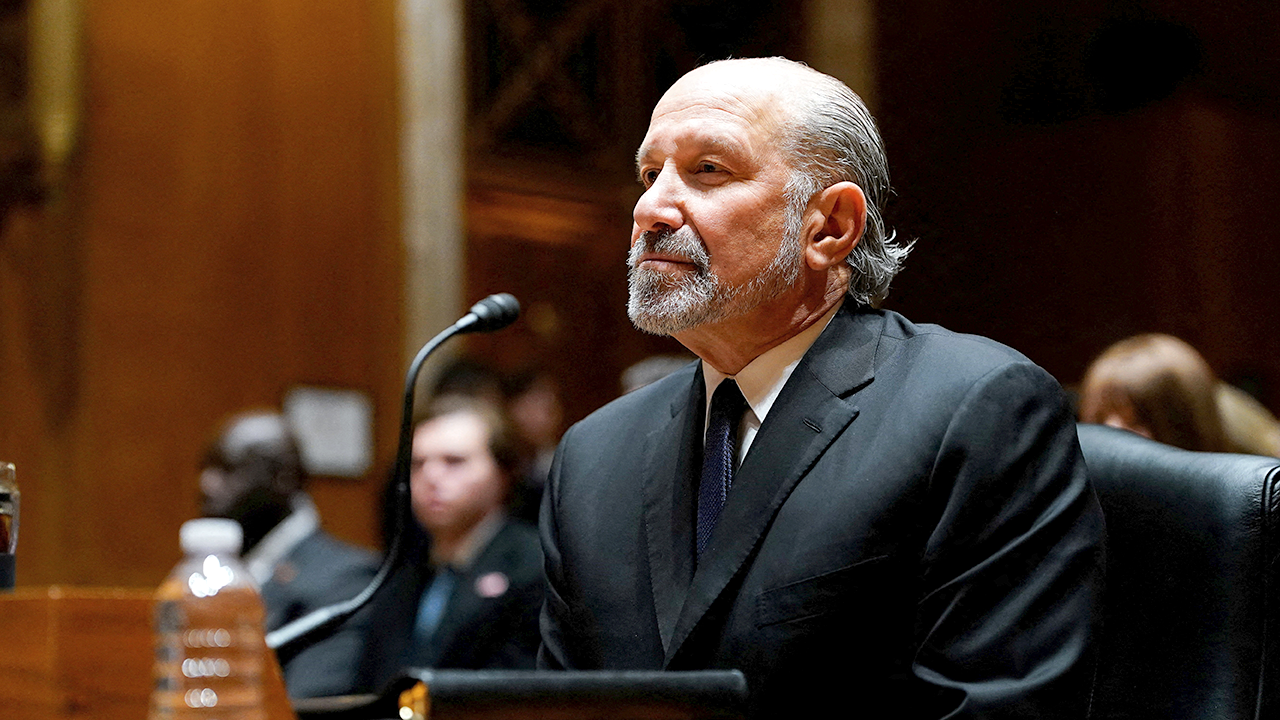
Cover image from foxnews.com, which was analyzed for this article
Howard Lutnick, Trump's Commerce Secretary, is testifying in a closed-door House session over his past connections to Jeffrey Epstein. The probe highlights scrutiny on Trump administration officials' associations. Lawmakers seek details on any Epstein links.
PoliticalOS
Wednesday, May 6, 2026 — Politics
Howard Lutnick voluntarily answered congressional questions about contacts with Jeffrey Epstein that continued after he said he had cut ties in 2005. The documented interactions include a 2012 family lunch on Epstein’s island and business overlaps, but Lutnick has consistently described them as limited and innocuous, with his wife and children present where relevant. No evidence of illegal conduct has surfaced; the episode reflects continued congressional examination of Epstein’s once-powerful network rather than new accusations against the commerce secretary.
What outlets missed
Most accounts downplayed or omitted that the House Oversight probe is led by Republican Chairman James Comer, who publicly praised Lutnick's voluntary cooperation and transparency. The 2012 island visit occurred in a supervised family setting with Lutnick's wife, children and nannies present for the entire one-hour lunch, according to his Senate testimony and multiple reports. Business ties between Lutnick-linked firms and Epstein entities, reported by CBS through at least 2014, provide context for some post-2005 contacts beyond purely social encounters. Low expected attendance due to congressional recess received little attention, reducing the likelihood of any intense confrontation. Finally, the absence of any accusation of illegal conduct against Lutnick was often buried beneath dramatic language about "grilling" or "showdowns."
Lutnick Epstein Ties Face New Scrutiny in Congressional Interview
Commerce Secretary Howard Lutnick arrived on Capitol Hill Wednesday for a closed-door transcribed interview with the House Oversight Committee, the latest high-profile Trump administration official drawn into the long-running congressional examination of Jeffrey Epstein’s network of influence. The session, while voluntary, arrives after weeks of public pressure and highlights persistent contradictions between Lutnick’s public statements and evidence contained in documents released by the Department of Justice earlier this year.
Lutnick, the billionaire former chief executive of Cantor Fitzgerald, has repeatedly insisted he severed contact with Epstein after a single disturbing encounter at the financier’s Manhattan townhouse in 2005. In an October interview with the New York Post, he described being appalled when Epstein made what Lutnick characterized as a “creepy” remark about receiving “the right kind of massages” during a tour of the property. Lutnick said he and his wife decided within the short walk back to their own home that they would never be in the same room with Epstein again.
That account has not held up against the documentary record. Justice Department files unsealed in late December and January showed continued correspondence between the two men well after Epstein’s 2008 conviction for soliciting prostitution from a minor. Business dealings reportedly extended as late as 2014, according to CBS News reporting cited across multiple outlets. Perhaps most strikingly, Lutnick later acknowledged to the Senate Appropriations Committee in February that he, his wife, their children, and nannies visited Epstein’s private Caribbean island, Little St. James, in December 2012 for lunch. “We had lunch on the island, that is true, for an hour,” he said. “Then we left with all of my children, with my nannies and my wife all together.”
An undated photograph released by the Justice Department shows the two men together on the island, Lutnick in a blue shirt and white shorts standing near Epstein. The image briefly disappeared from a government website before being restored, adding to the atmosphere of evasion that has surrounded the releases.
The Oversight Committee’s interest is part of a broader bipartisan inquiry into Epstein’s connections among the powerful, an investigation that has already compelled testimony from other Trump associates. Democrats on the panel, including Ranking Member Robert Garcia of California and Rep. Ro Khanna, had threatened to subpoena Lutnick if he declined to appear. Republican Rep. Nancy Mace of South Carolina played a pivotal role in forcing the issue, pledging to call for a vote on a subpoena. Committee Chairman James Comer, a Kentucky Republican, ultimately described Lutnick’s decision to testify voluntarily as a “demonstrated commitment to transparency.”
A Commerce Department spokesperson said Lutnick “looks forward to addressing any questions on the record” and characterized media coverage of his Epstein ties as “inaccurate and baseless claims” meant to distract from his work reviving American manufacturing and reforming federal bureaucracy. The secretary has not been accused of any sexual misconduct or illegal activity related to Epstein, who died by suicide in federal custody in 2019 while awaiting trial on sex-trafficking charges. Being named in the files is not itself evidence of wrongdoing.
Still, the pattern of evolving explanations raises familiar questions about accountability among financial and political elites. Epstein cultivated relationships across Wall Street, academia, and politics for decades, often using his wealth and private island as bait. The gap between Lutnick’s initial clean break narrative and the later-documented contacts through at least 2018 suggests either poor memory or an initial instinct to minimize an association that became radioactive. In an administration that has promised to drain the swamp of insider dealing, the appearance of selective recollection matters.
The interview is taking place while the House is in recess, so attendance may be limited. A transcript is expected to be released in coming weeks, consistent with how the committee has handled prior Epstein-related depositions. Democrats are likely to press Lutnick on the precise nature of his financial and personal dealings with Epstein after 2005, while Republicans appear more focused on demonstrating that the process is fair and not a partisan fishing expedition.
The episode fits a larger pattern visible since the first Epstein document dumps: the slow erosion of clean storylines. Public officials who once hoped the scandal would fade have instead found themselves revisiting old flights, old photographs, and old lunch dates under oath. For Lutnick, a central player in Trump’s economic agenda, the political cost remains unclear. What is clear is that the committee’s work has succeeded in forcing a public accounting, however constrained by the closed-door format.
The Epstein files continue to reveal less about any single individual’s guilt than about the insulation that great wealth once provided. Lutnick’s appearance Wednesday is a reminder that such insulation has its limits in an era of heightened scrutiny, even for a commerce secretary charged with reshaping American trade and technology policy. Whether the interview lays those contradictions to rest or simply adds another chapter to an unresolved story will depend on the transcript yet to be released and the public’s appetite for uncomfortable details about how power has long operated in plain sight.
You just read Liberal's take. Want to read what actually happened?
More in Politics
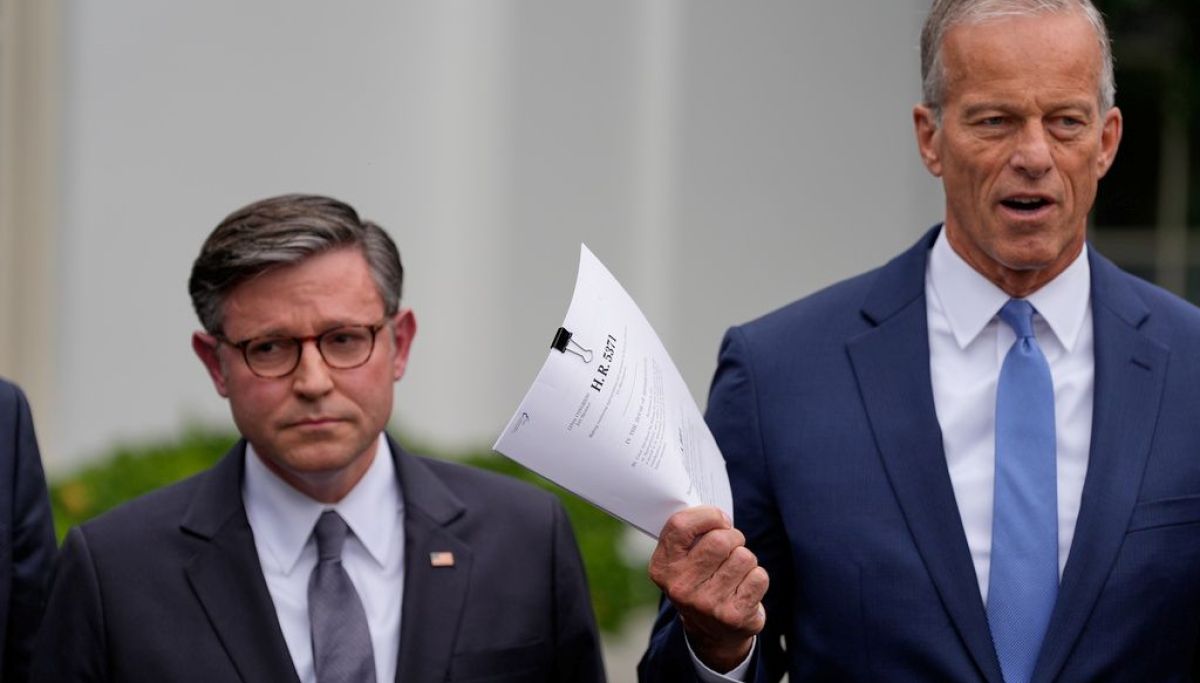
Trump at 32% Approval as Gas Prices Test GOP Midterm Hopes
NYT/Siena polling showed Trump's approval at historic lows around 32 percent with Democrats leading by double digits in key districts. Early voting has surged in battleground states.

Record Early Voting Hits Battlegrounds, Shifting Partisan Shares
AP analysis found hundreds of thousands more early ballots than in 2022 in states including Texas, Ohio, Kansas, Maine, and North Carolina, shifting partisan dynamics.
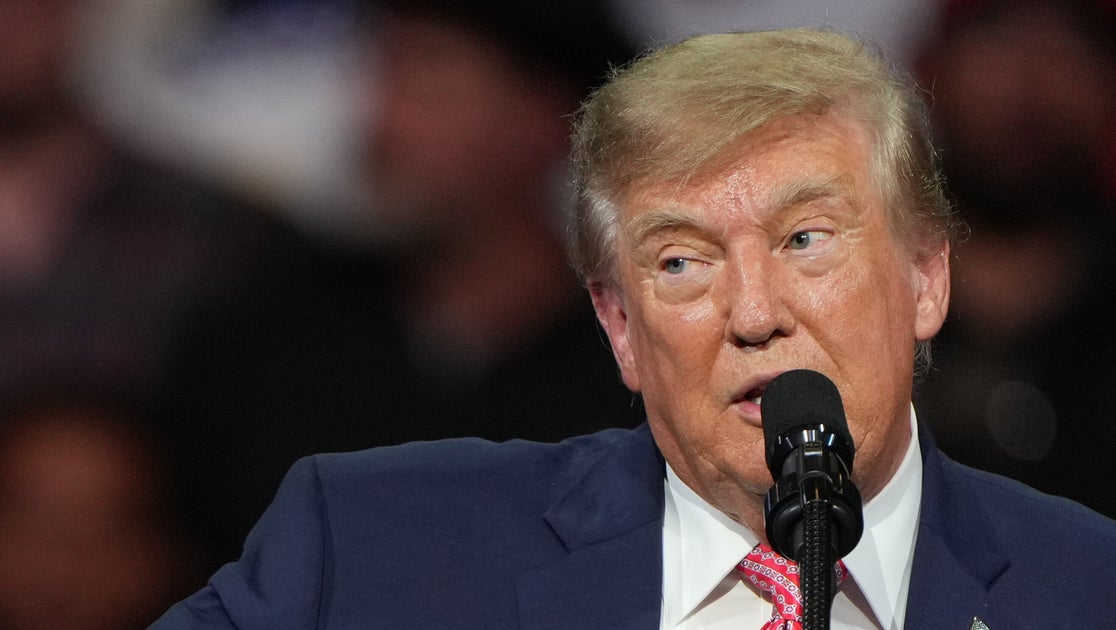
Trump Backs Marshall in Kansas Senate Race Tightened by Farm Costs
President Trump rallied in deep-red Kansas for GOP Sen. Roger Marshall in a competitive race, announcing an $8 billion farm fuel relief program amid high diesel prices. Democrats see an opening to end 94 years of GOP dominance in the state.

Trump Pauses Russia Sanctions Amid Ukraine Tensions and Missile Strikes
Trump waived sanctions on Russia and floated trilateral talks with Putin and Xi as part of ending the Ukraine war, while tensions rose with Zelenskyy over Starlink and arms. Bipartisan senators engaged Zelenskyy amid the shifts.
The Compass
You just read five takes on one story.
What's your take? Find your political shape in a few minutes.
Take the test