
Maine Democrats Set to Nominate Troy Jackson for Senate Race
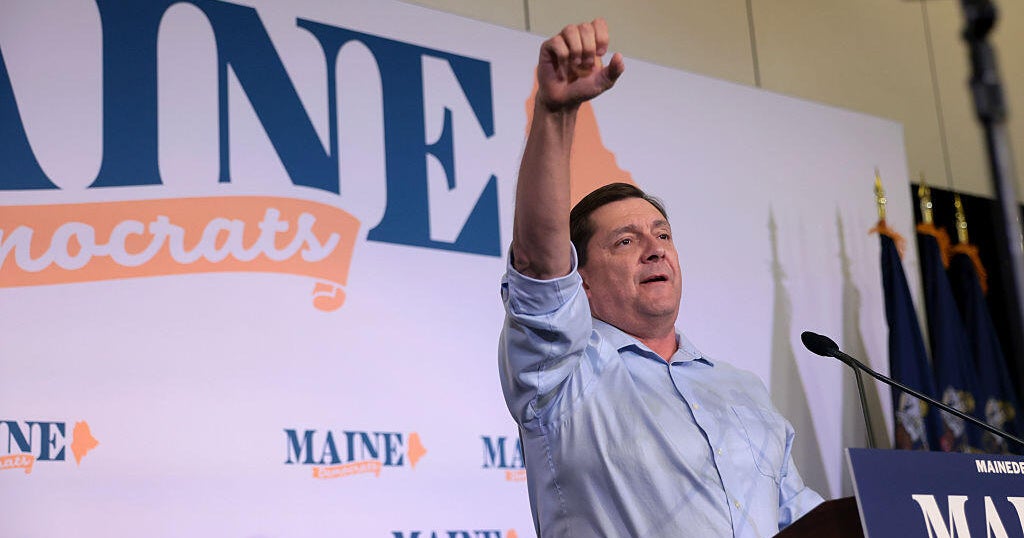
Cover image from cbsnews.com, which was analyzed for this article
Democrats convened to replace Graham Platner on the ballot in the race against Susan Collins, with former state Senate President Troy Jackson positioned to win via party convention. The process drew attention amid questions about the nominee's viability.
PoliticalOS
Saturday, July 25, 2026 — Politics
The replacement process leaves Democrats with roughly 100 days to build a campaign against an incumbent who has won five terms and maintains a large cash advantage. Jackson’s delegate strength makes his nomination nearly certain, yet the race remains competitive on paper in a state that has repeatedly supported Collins.
What outlets missed
Details on outside spending by groups such as the Senate Leadership Fund were absent from all four articles, leaving the total financial scale of the race unaddressed. Jackson’s prior unsuccessful gubernatorial bid and specific primary vote totals received only passing mention. The precise mechanics of how county delegate meetings translated into convention votes were not fully explained in any single account. Reports of mortgage improprieties raised in one outlet could not be independently verified by the others.
Maine voters face a compressed Senate contest that could help decide control of the chamber. Democrats need a net gain of four seats to take the majority this fall, and the race against five-term Republican incumbent Susan Collins ranks among their stronger opportunities in a state Kamala Harris carried in 2024.
The party’s original nominee, Graham Platner, withdrew earlier this month after a woman he previously dated accused him of rape in 2021. Platner denied the allegation. State election law required any replacement to be chosen by July 27, forcing an abbreviated process that ends with a nominating convention in Bangor on July 25.
Former state Senate President Troy Jackson enters the convention as the clear front-runner. County meetings last weekend produced delegate slates that gave him the support of the vast majority of the roughly 600 delegates who will vote. All of his major rivals, including Maine Secretary of State Shenna Bellows and former state CDC director Nirav Shah, have withdrawn and urged unity against Collins. Two lesser-known candidates remain on the ballot.
Jackson, 58, a fifth-generation logger from Allagash, served as Senate president from 2018 to 2024 and previously represented the state’s northernmost House district. He switched from Republican to Democratic affiliation more than two decades ago. His platform emphasizes raising taxes on corporations and the wealthy, Medicare for All, ending U.S. military aid to Israel, and abolishing ICE. He also supports federal legislation protecting abortion rights and LGBTQ civil rights, positions that differ from earlier stances he took in state office.
Collins holds $11 million in cash on hand as of the most recent Federal Election Commission filings. Jackson’s campaign reported raising more than $1 million since he entered the race on July 8. A University of New Hampshire Survey Center poll conducted in recent days showed Jackson ahead of Collins by three points among likely voters, within the margin of error.
The Collins campaign has described Jackson as a lower-energy version of Platner and noted his third-place finish in the June Democratic primary for governor. Republicans have criticized the convention process as excluding voters. Jackson’s supporters point to his rural roots and labor backing as assets in northern Maine counties where Collins has historically performed well.
More in Politics

Federal Agents Search Omar Home in Ongoing Immigration Probe
Homeland Security agents searched the Minnesota Democrat's DC residence in a criminal probe, prompting accusations of political intimidation from Omar and Democratic leaders. Coverage spans left-leaning outlets like NPR, BBC, and The Guardian alongside right-leaning criticism from The Federalist and Daily Wire.

Trump Diesel Import Plan Draws Pushback Over Russia Ties
The weekend agreement drew bipartisan congressional pushback and criticism from Ukraine's Zelenskyy, with analysts downplaying US fuel price impacts. Right-leaning outlets like National Review, Dispatch, and Washington Examiner questioned its legality and effectiveness.

Independents Test Voter Appetite for Middle Ground in 2026 Midterms
Nearly 200 independents are running in competitive races as voters weigh ballot measures on housing costs in states like Massachusetts. Left-leaning coverage from NYT, NPR, and Guardian highlights turnout and key races while right outlets focus on GOP strategy.
Trump Rallies in Alaska, Ohio to Bolster GOP Senate Candidates
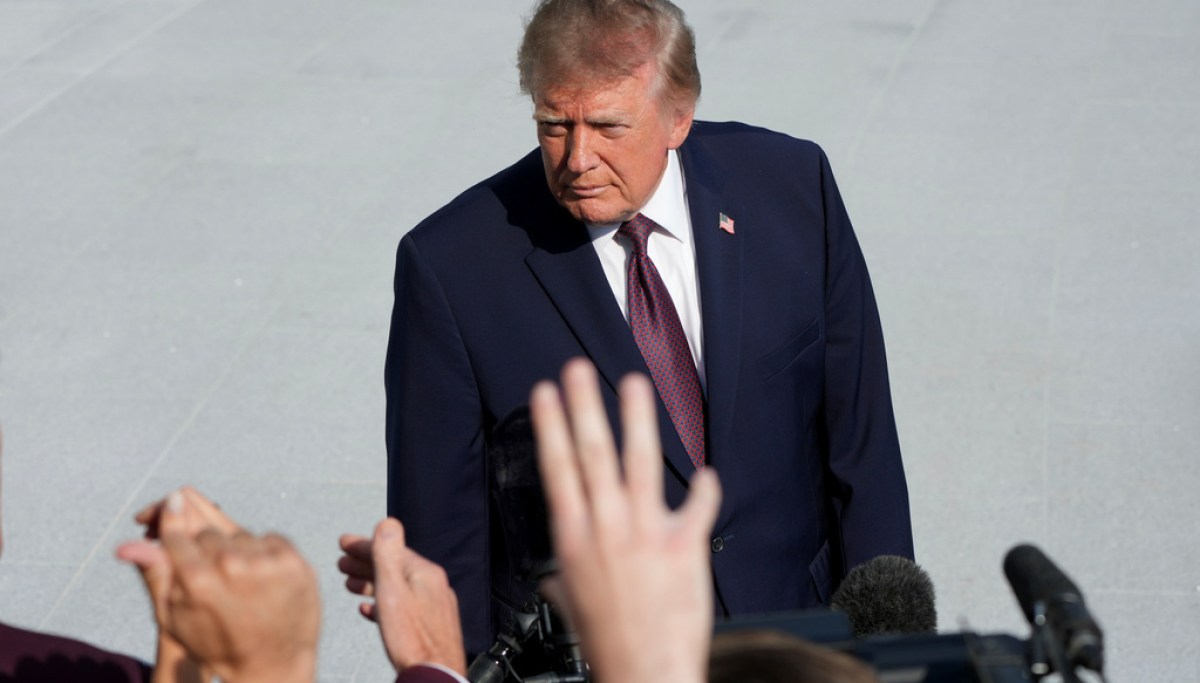
The president rallied in Wasilla for Sen. Dan Sullivan and faced empty seats at an Ohio event amid midterm concerns. Outlets across the spectrum covered the trips as signals of GOP vulnerability weeks before Election Day.
The Compass
You just read five takes on one story.
What's your take? Find your political shape in a few minutes.
Take the test