
Platner Wins Maine Democratic Senate Primary 72-20
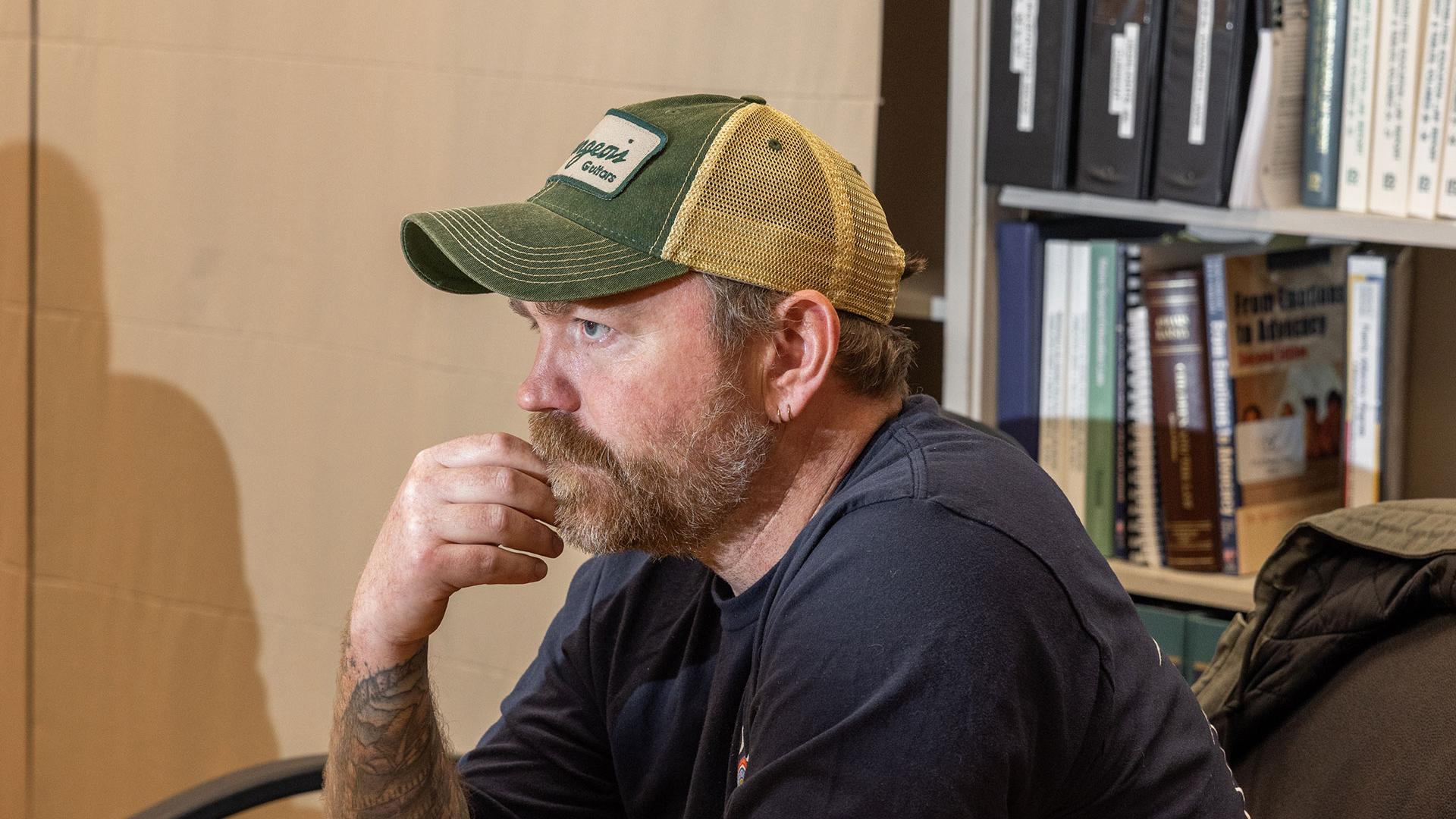
Cover image from time.com, which was analyzed for this article
Democrat Graham Platner defeated rivals to win the nomination against Republican Sen. Susan Collins, despite scandals. Both parties are mobilizing for the high-stakes November race that could affect Senate control.
PoliticalOS
Monday, June 8, 2026 — Politics
Platner secured the nomination with a decisive 72-20 margin despite multiple documented personal controversies, setting up a high-stakes November race against Susan Collins that both parties treat as pivotal for Senate control. Voters will decide whether his economic platform and outsider appeal outweigh questions about his past conduct.
What outlets missed
Most accounts omitted the precise primary margin of 72 percent to 20 percent with 42 percent of precincts reporting and the fact that Mills stayed on the ballot after suspending her campaign. Few detailed Platner’s specific policy proposals such as a 5-6 percent wealth tax above $1 billion or federal property-tax relief. Coverage rarely noted the documented timeline of the tattoo obtained in 2007 and covered in 2025 or the absence of independent corroboration for some personal allegations beyond the New York Times reporting. The scale of outside spending already reserved—nearly $70 million by Republican groups—was mentioned by only one outlet.
Maine Democrats Weigh Risks of Backing Platner Despite Fresh Revelations
Maine voters go to the polls Tuesday in a Democratic primary that has drawn national attention, with Graham Platner positioned to secure the nomination against Republican Sen. Susan Collins despite accumulating evidence of misleading statements about his background and conduct. The 41-year-old oysterman and Marine veteran has maintained a wide lead after Gov. Janet Mills suspended her campaign in April, leaving party officials without a clear mechanism to replace him even as new details surface about his personal record.
Reports from multiple outlets have documented inconsistencies in Platner's public narrative. He has described himself as a working-class figure who bought his home with Veterans Affairs support, yet records show a $200,000 loan from his father financed the purchase. His primary oyster customer is his mother's restaurant, according to earlier investigations. Platner attended the elite Hotchkiss School in Connecticut, which he attributed to the lack of accreditation at his local public school. Local reporting found the Maine school held accreditation well before his enrollment age, prompting his campaign to describe the claim as a misstatement.
Additional disclosures involve private communications. The Wall Street Journal reported an active account on the Kik messaging app, including a shirtless profile photo, with sexually explicit messages sent to at least six women after Platner's marriage three years earlier. The New York Times previously detailed similar exchanges with as many as a dozen women early in the marriage, with the campaign adjusting the figure downward to six. Platner has denied violent conduct toward an ex-girlfriend while facing questions about older social media posts and a tattoo that drew scrutiny.
Democratic strategists in Washington and Maine describe a party divided over next steps. Some see little choice but to proceed with Platner given his polling advantage and fundraising momentum, which includes out-of-state contributions drawn to his populist emphasis on redirecting federal spending. Others express concern that further disclosures could erode support in a general election against Collins, who has held the seat since 1997 and won reelection in 2020 by nine points. Mills issued a statement noting she remains on the ballot but has not formally relaunched her effort.
Platner's appeal rests on his presentation as an outsider who overcame personal challenges after military service. Supporters have framed past controversies as elements of a redemption story tied to his combat experience and subsequent work as an oyster farmer. Critics, including conservative analysts, point to a pattern where explanations shift when contradicted by records, from the school accreditation details to the scope of post-marriage messaging.
The contest highlights a recurring tension for Democrats seeking competitive candidates in states like Maine. Primary voters have favored Platner over established figures, yet the absence of formal party controls leaves general election strategy dependent on his ability to contain ongoing questions about consistency between his stated history and documented facts. Collins has maintained a measured profile in the race so far, focusing on her legislative record rather than direct engagement with the Democratic primary outcome.
You just read Conservative's take. Want to read what actually happened?
More in Politics

Trump Defends Ramaswamy Ad Using Estranged Mother in Ohio Race
President Trump defended a GOP nominee's ad featuring a Democratic opponent's estranged mother, calling it powerful, while drawing criticism from some Republicans including Ohio Gov. Mike DeWine. The ad has sparked internal GOP tensions ahead of midterms.

Federal Raid Targets Omar Amid Unresolved Name and Marriage Allegations
Agents searched Rep. Ilhan Omar's DC residence over immigration fraud allegations; she called it bizarre. Reports and commentary questioned her birth name and past marriage details.

Supreme Court Upholds New Hampshire Student ID Voting Ban
The Supreme Court upheld New Hampshire's ban on student IDs as valid voter identification just before midterms, affecting a tight Senate race.

Early Voting Hits 21 Million as Most Trust Midterm Accuracy
Millions have already voted early as parties make final appeals amid $1.4 billion in ad spending; polls show confidence in election accuracy.
The Compass
You just read five takes on one story.
What's your take? Find your political shape in a few minutes.
Take the test