
Platner Wins Maine Democratic Senate Primary 72-20
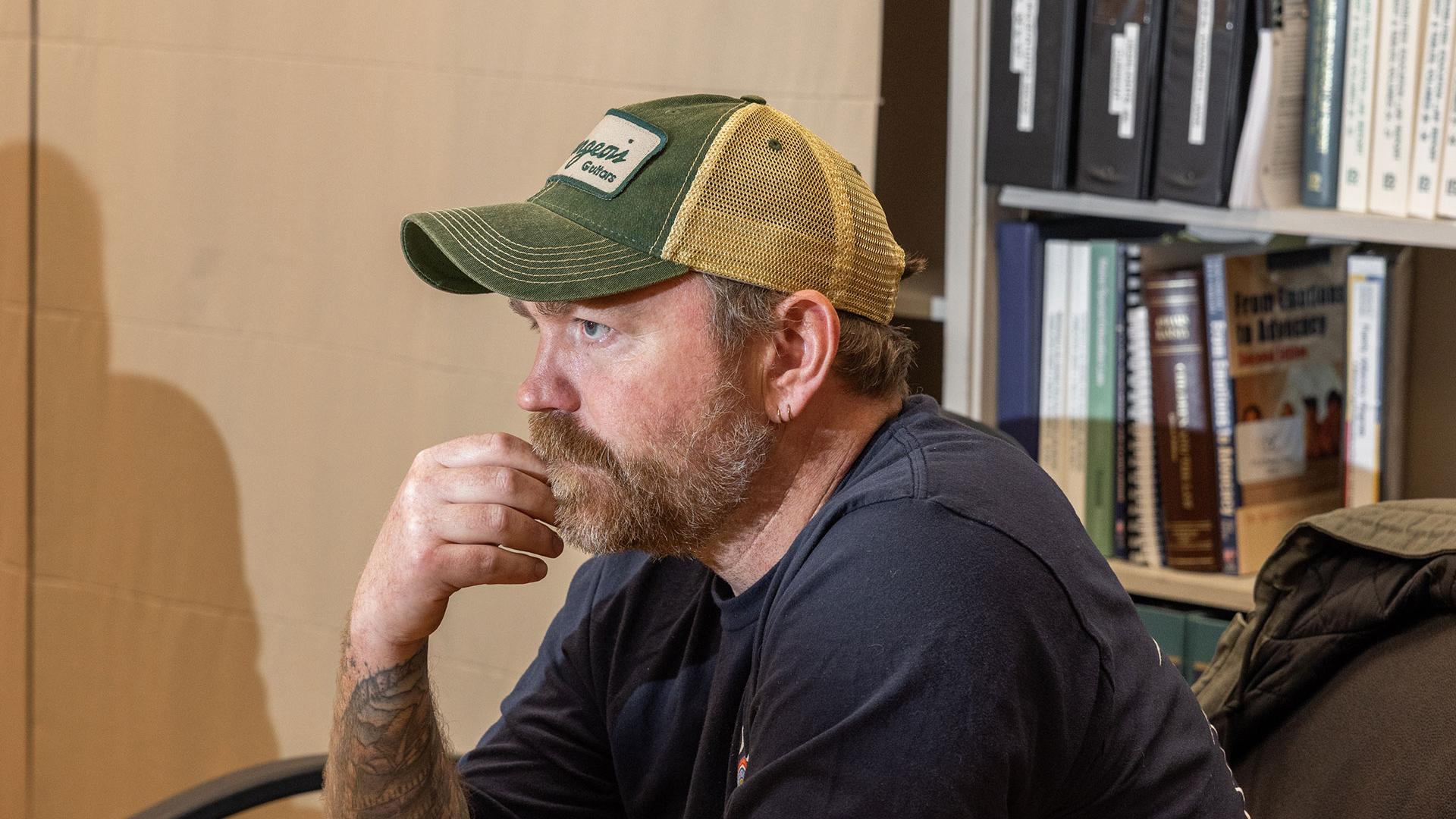
Cover image from time.com, which was analyzed for this article
Democrat Graham Platner defeated rivals to win the nomination against Republican Sen. Susan Collins, despite scandals. Both parties are mobilizing for the high-stakes November race that could affect Senate control.
PoliticalOS
Monday, June 8, 2026 — Politics
Platner secured the nomination with a decisive 72-20 margin despite multiple documented personal controversies, setting up a high-stakes November race against Susan Collins that both parties treat as pivotal for Senate control. Voters will decide whether his economic platform and outsider appeal outweigh questions about his past conduct.
What outlets missed
Most accounts omitted the precise primary margin of 72 percent to 20 percent with 42 percent of precincts reporting and the fact that Mills stayed on the ballot after suspending her campaign. Few detailed Platner’s specific policy proposals such as a 5-6 percent wealth tax above $1 billion or federal property-tax relief. Coverage rarely noted the documented timeline of the tattoo obtained in 2007 and covered in 2025 or the absence of independent corroboration for some personal allegations beyond the New York Times reporting. The scale of outside spending already reserved—nearly $70 million by Republican groups—was mentioned by only one outlet.
Democrats Face Reckoning Over Flawed Maine Senate Hopeful
Maine voters will decide Tuesday whether to hand the Democratic nomination for Senate to Graham Platner, a 41-year-old oysterman and Marine veteran whose campaign has been defined as much by scandal as by his populist appeal. With Governor Janet Mills having suspended her bid months ago, Platner enters the primary as the clear front-runner, yet party leaders remain divided over how to handle a nominee whose past continues to generate damaging revelations.
Platner has drawn large crowds across rural Maine with a message that blends his combat experience and criticism of endless foreign wars. He has called for redirecting federal spending away from conflicts in Gaza and Iran toward domestic priorities like schools and hospitals. Supporters argue his background as a working-class veteran gives him authenticity that career politicians lack. That message has fueled a surge of small-dollar donations and positioned the race as one of Democrats’ better opportunities to unseat longtime Republican Senator Susan Collins.
The same campaign, however, has been forced to confront a steady stream of damaging reports. Platner has acknowledged a Nazi tattoo from his youth and old incendiary Reddit posts. He has denied allegations of violence toward an ex-girlfriend. Most recently, the Wall Street Journal reported he maintained an active account on the messaging app Kik after his marriage and sent sexually explicit messages to multiple women. Additional reporting has shown inconsistencies in his account of his upbringing, including claims about how he purchased his home and why he attended an elite private school.
Mills, 78, remains on the ballot after suspending her campaign in April. She has issued a statement reminding voters of that fact, though she has not formally relaunched. Democratic strategists in Washington and Maine describe a party with few formal tools to intervene and little consensus on whether intervention would even be wise. Some fear that abandoning Platner could hand Collins an easier path to a sixth term. Others worry that further scandals will surface and that defending him now would contradict the party’s stated commitments on issues of personal conduct and accountability.
Collins, who last won by nine points in 2020 despite Joe Biden carrying the state, has maintained a careful distance from Donald Trump while still facing pressure from Republicans over his policies. Democrats view her seat as winnable, yet the primary has left them with a nominee whose liabilities are well documented and whose explanations have repeatedly been challenged by new evidence.
The result Tuesday will not settle the broader question of whether Democrats can tolerate substantial personal baggage in pursuit of a competitive seat. It will, however, determine whether the party moves forward with a candidate whose record has already tested the limits of that tolerance.
You just read Progressive's take. Want to read what actually happened?
More in Politics

Trump at 32% Approval as Gas Prices Test GOP Midterm Hopes
NYT/Siena polling showed Trump's approval at historic lows around 32 percent with Democrats leading by double digits in key districts. Early voting has surged in battleground states.

Record Early Voting Hits Battlegrounds, Shifting Partisan Shares
AP analysis found hundreds of thousands more early ballots than in 2022 in states including Texas, Ohio, Kansas, Maine, and North Carolina, shifting partisan dynamics.

Trump Backs Marshall in Kansas Senate Race Tightened by Farm Costs
President Trump rallied in deep-red Kansas for GOP Sen. Roger Marshall in a competitive race, announcing an $8 billion farm fuel relief program amid high diesel prices. Democrats see an opening to end 94 years of GOP dominance in the state.

Trump Pauses Russia Sanctions Amid Ukraine Tensions and Missile Strikes
Trump waived sanctions on Russia and floated trilateral talks with Putin and Xi as part of ending the Ukraine war, while tensions rose with Zelenskyy over Starlink and arms. Bipartisan senators engaged Zelenskyy amid the shifts.
The Compass
You just read five takes on one story.
What's your take? Find your political shape in a few minutes.
Take the test