
Mills Exit Elevates Progressive Platner Against Collins in Maine Senate Race
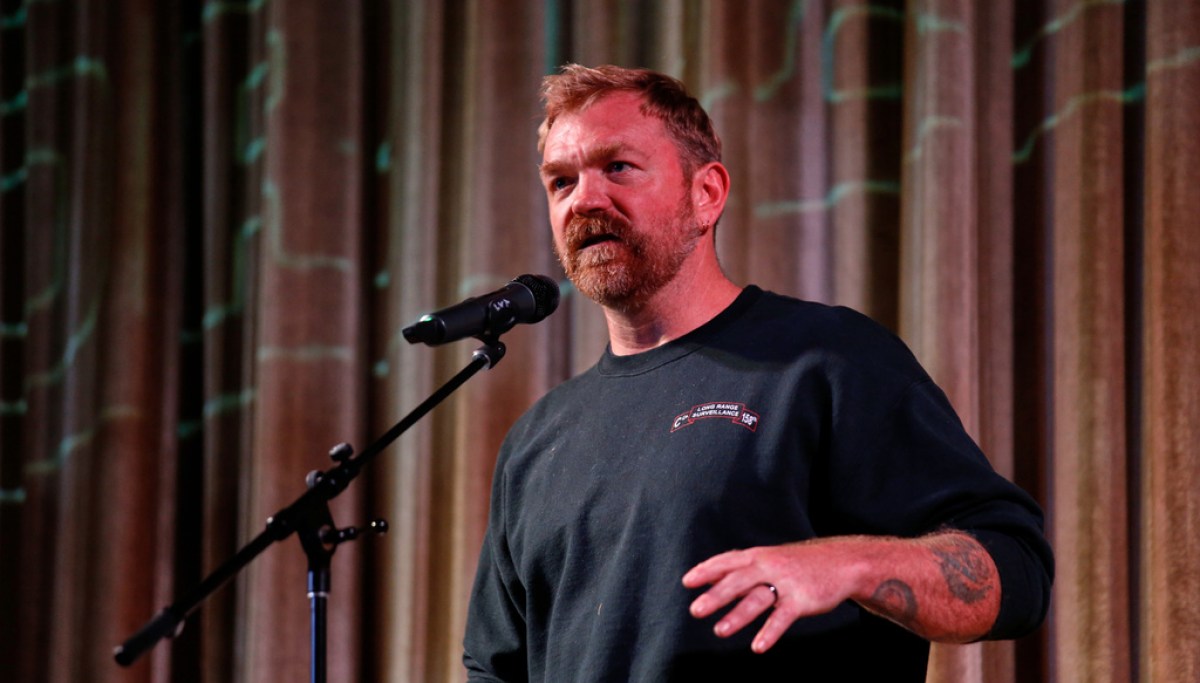
Cover image from washingtonexaminer.com, which was analyzed for this article
Democrat Gov. Janet Mills dropped out of the Maine Senate race, boosting GOP chances in a pivotal contest. Democrats fear left-leaning replacements could harm their midterm map. The shift underscores vulnerabilities in battleground states.
PoliticalOS
Friday, May 1, 2026 — Politics
Janet Mills's withdrawal hands Democrats a younger, progressive nominee in Graham Platner who has already demonstrated primary strength, yet also supplies Republicans with a clear target on his limited governing record and past personal controversies, some of which remain unverified. The contest will test whether Maine voters prioritize fresh populist energy against corporate and Trump-era power or prefer Collins's proven ability to deliver federal resources as an independent-minded incumbent. In a narrowly balanced Senate map, the outcome could hinge less on national mood than on whether Platner can neutralize attacks and consolidate the broad coalition that has kept Collins in office for decades.
What outlets missed
Most coverage omitted or downplayed Platner's documented U.S. Marine Corps service with combat deployments in Iraq from 2003-2007 and Afghanistan from 2010-2011, which undercuts the simple "political newcomer" label and provides a substantive rebuttal to experience-based attacks. Pre-withdrawal polling showing Platner leading Mills by wide margins, such as 52-18 percent in a March 2026 Maine Public poll, received little attention despite explaining her decision more concretely than vague notions of base impatience. High-profile progressive endorsements for Platner from Sens. Bernie Sanders and Elizabeth Warren were absent from two of the three major accounts, diminishing the picture of his viability within the party's left wing. Finally, precise sourcing on the nature of Platner's past Reddit posts—confirmed in local reporting as containing anti-gay slurs he later disavowed—varied widely, with some national outlets substituting unverified claims about rape commentary or rural insults that could not be corroborated elsewhere.
Democratic Fears Mount as Progressive Newcomer Takes Senate Nomination in Maine
The abrupt departure of Maine Gov. Janet Mills from the 2026 Senate race has cleared the path for Graham Platner, a 41-year-old progressive oysterman and political newcomer, to claim the Democratic nomination against Sen. Susan Collins. What began as a contest shaped by party elders has become an early warning sign for Democrats nationwide. Party strategists worry that a pattern of left-leaning insurgent candidates could undermine what many view as a favorable map for regaining Senate control in the midterms.
Mills, 78, entered the race with significant advantages. She had stood up to President Donald Trump in a moment that resonated with liberals across the country. During a governors’ meeting at the White House, Trump pressed her on his executive order barring transgender female athletes from women’s sports teams. Mills responded that she would follow state and federal law and, if necessary, see the administration in court. The exchange, delivered calmly while others appeared to yield to presidential pressure, earned her spontaneous applause from Democrats and seemed to position her as the ideal candidate to challenge Collins, a Republican who has held her seat for three decades despite Maine’s gradual leftward shift.
Senate Minority Leader Chuck Schumer personally encouraged Mills to run, viewing her as the candidate best equipped to defeat Collins. Yet six months after launching her campaign, Mills concluded she could not overcome Platner’s momentum. The governor cited insufficient funding and grassroots support. Her exit effectively ends the Democratic primary and launches what is expected to be one of the year’s most expensive and combative Senate contests.
Platner’s rise reflects deeper currents within the Democratic Party. Younger voters and online activists have shown impatience with establishment figures who have spent decades in office. Platner’s profile as an oysterman from Downeast Maine, combined with a combative style and strong digital following, has energized the base in ways Mills could not match. His campaign signals that ideological enthusiasm and outsider status now carry more weight in some Democratic primaries than governing experience or broad appeal.
This development has unsettled party operatives who remember past cycles in which ideologically driven nominees struggled in general elections. One Democratic strategist with experience on national campaigns described the tension anonymously. “Our party is in a weird place where we don’t like party leadership controlling the outcome of races but we also need to learn from history about what kinds of candidates can succeed,” the strategist said. “The environment is in our favor, but that doesn’t guarantee anything.”
The concern is not limited to Maine. Across the country, Democratic recruiters are watching similar dynamics in other primaries. Grassroots factions increasingly demand candidates who pass progressive litmus tests rather than those who demonstrate the flexibility needed to win swing voters. In a midterm cycle that could turn on economic discontent, border security, and skepticism of rapid cultural change, such rigidity carries risks. Collins has survived multiple Democratic challenges by presenting herself as independent and pragmatic, qualities that have helped her in a state where voters value results over rhetoric.
Mills’s confrontation with Trump illustrated a different approach. She did not yield to executive overreach, yet she framed her resistance in terms of law and institutions rather than inflammatory rhetoric. That stance earned respect from many moderates. Nevertheless, it proved insufficient against a candidate promising a sharper break with the past. Platner’s supporters appear less interested in incremental governance than in sending a clear ideological signal.
This pattern echoes a recurring challenge for Democrats since the early 2010s. Time and again, party leaders have watched favored recruits lose ground to candidates who excel at energizing the activist core but carry positions that complicate general-election campaigns. The result has often been lost opportunities in districts and states that should have been competitive. Maine, with its independent streak and history of split-ticket voting, tests whether that lesson has been absorbed.
Collins enters the race with name recognition and a record of delivering for Maine interests, particularly in fisheries and defense. Platner will need to expand beyond the progressive base to make the contest close. His success in the primary suggests the Democratic electorate in 2026 may continue rewarding combativeness and digital virality over the kind of steady leadership Mills represented. Whether that produces victories or disappointments will shape the party’s direction for years.
For now, the Maine race has become an early case study. Democrats hold structural advantages heading into the midterms, including public fatigue with aspects of the Trump administration and the typical opposition-party gains in a president’s second term. Yet those advantages depend on nominating candidates who can convert them. Platner’s swift ascent after Mills’s exit suggests the party is still wrestling with the balance between satisfying its most vocal supporters and winning the seats necessary to control the Senate.
The coming months will reveal whether Platner can broaden his coalition or whether Collins once again benefits from voters’ preference for familiarity and moderation. What is already clear is that Democratic leaders’ ability to guide candidate selection is diminishing. In an era when grassroots energy can override institutional preferences, the party risks trading winnable races for the satisfaction of ideological purity. History suggests that trade-off seldom favors the side making it.
You just read Conservative's take. Want to read what actually happened?
More in Politics
Trump at 32% Approval as Gas Prices Test GOP Midterm Hopes
NYT/Siena polling showed Trump's approval at historic lows around 32 percent with Democrats leading by double digits in key districts. Early voting has surged in battleground states.

Record Early Voting Hits Battlegrounds, Shifting Partisan Shares
AP analysis found hundreds of thousands more early ballots than in 2022 in states including Texas, Ohio, Kansas, Maine, and North Carolina, shifting partisan dynamics.
Trump Backs Marshall in Kansas Senate Race Tightened by Farm Costs
President Trump rallied in deep-red Kansas for GOP Sen. Roger Marshall in a competitive race, announcing an $8 billion farm fuel relief program amid high diesel prices. Democrats see an opening to end 94 years of GOP dominance in the state.

Trump Pauses Russia Sanctions Amid Ukraine Tensions and Missile Strikes
Trump waived sanctions on Russia and floated trilateral talks with Putin and Xi as part of ending the Ukraine war, while tensions rose with Zelenskyy over Starlink and arms. Bipartisan senators engaged Zelenskyy amid the shifts.
The Compass
You just read five takes on one story.
What's your take? Find your political shape in a few minutes.
Take the test