
Mills Exit Elevates Progressive Platner Against Collins in Maine Senate Race
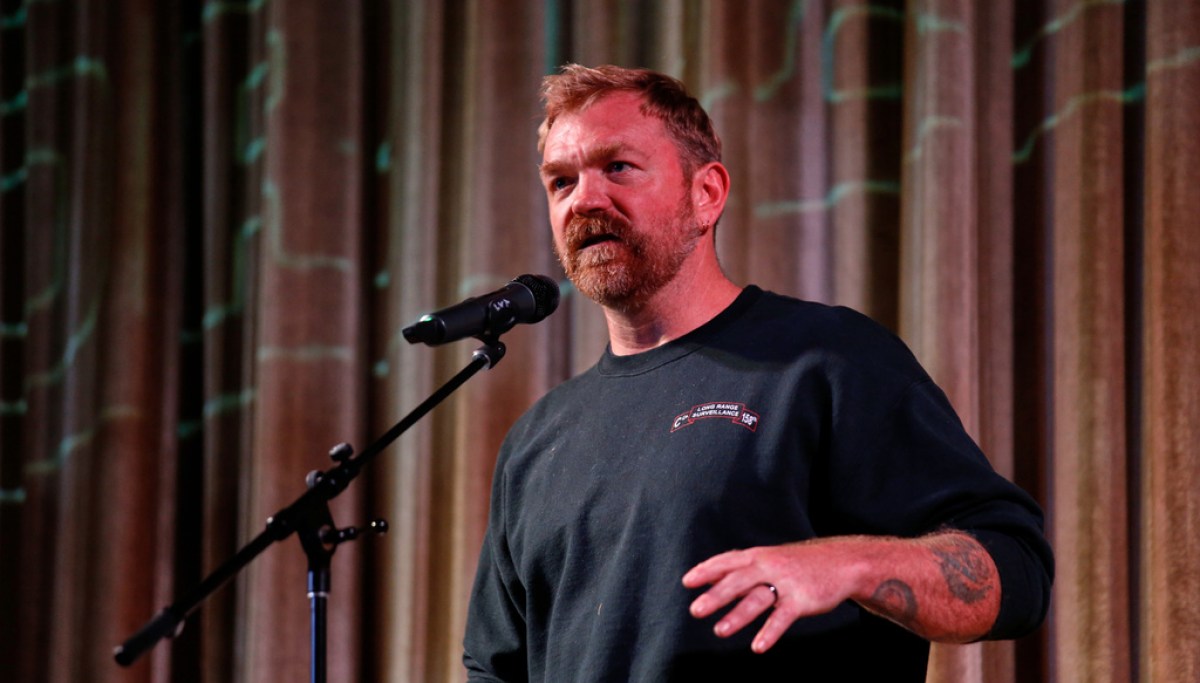
Cover image from washingtonexaminer.com, which was analyzed for this article
Democrat Gov. Janet Mills dropped out of the Maine Senate race, boosting GOP chances in a pivotal contest. Democrats fear left-leaning replacements could harm their midterm map. The shift underscores vulnerabilities in battleground states.
PoliticalOS
Friday, May 1, 2026 — Politics
Janet Mills's withdrawal hands Democrats a younger, progressive nominee in Graham Platner who has already demonstrated primary strength, yet also supplies Republicans with a clear target on his limited governing record and past personal controversies, some of which remain unverified. The contest will test whether Maine voters prioritize fresh populist energy against corporate and Trump-era power or prefer Collins's proven ability to deliver federal resources as an independent-minded incumbent. In a narrowly balanced Senate map, the outcome could hinge less on national mood than on whether Platner can neutralize attacks and consolidate the broad coalition that has kept Collins in office for decades.
What outlets missed
Most coverage omitted or downplayed Platner's documented U.S. Marine Corps service with combat deployments in Iraq from 2003-2007 and Afghanistan from 2010-2011, which undercuts the simple "political newcomer" label and provides a substantive rebuttal to experience-based attacks. Pre-withdrawal polling showing Platner leading Mills by wide margins, such as 52-18 percent in a March 2026 Maine Public poll, received little attention despite explaining her decision more concretely than vague notions of base impatience. High-profile progressive endorsements for Platner from Sens. Bernie Sanders and Elizabeth Warren were absent from two of the three major accounts, diminishing the picture of his viability within the party's left wing. Finally, precise sourcing on the nature of Platner's past Reddit posts—confirmed in local reporting as containing anti-gay slurs he later disavowed—varied widely, with some national outlets substituting unverified claims about rape commentary or rural insults that could not be corroborated elsewhere.
Progressive Surge in Maine Senate Race Leaves Democrats Fearing SelfSabotage
Democrats are watching in quiet panic as their carefully laid plans for the 2026 midterms collapse under the weight of their own activist base. The sudden exit of Maine Governor Janet Mills from the Senate race has handed the Democratic nomination to Graham Platner, a 41yearold progressive oysterman and political newcomer whose rise signals everything party strategists fear most: a voter revolt against moderation in favor of ideological combat and leftwing purity.
Mills, a two-term governor who built a reputation for standing up to President Trump, dropped out this week after realizing she could not compete with Platner's grassroots energy and digital appeal. Her departure was not just a personal setback but a stark warning for Senate Minority Leader Chuck Schumer and the Democratic establishment. Schumer had personally recruited Mills, viewing the 78-year-old as the ideal candidate to unseat Senator Susan Collins, the longtime Republican who has survived Democratic challenges for decades in a state trending left.
What made Mills attractive to party leaders was precisely what made her unacceptable to the Democratic base. Last year she confronted Trump directly in the White House over his executive order banning transgender athletes from women's sports. When Trump warned her against defying him, Mills responded coolly that she would see him in court. The moment earned her cheers from liberals nationwide and cemented her image as a fighter. Yet even that was not enough. Platner, who has never held elected office, tapped into a deeper hunger among Democratic primary voters for younger, more aggressive candidates untainted by decades in the system.
The Washington Examiner, New York Times and Washington Post all describe the same phenomenon from slightly different angles: an insurgent left is overriding party elders. Platner has built momentum with outsider credentials, strong online organizing, and the kind of combative posture that excites activists but terrifies strategists tasked with winning general elections. One anonymous Democratic operative with national experience put it plainly: the party is caught between rejecting leadership control and learning the hard lessons of history about which candidates actually win.
This tension is not abstract. Democrats believe they have a favorable map in 2026, with several Republican seats potentially in play. Maine was supposed to be one of their best shots. Collins, though respected at home, is viewed by national Democrats as vulnerable in an increasingly blue state. But replacing a battle-tested governor with a progressive newcomer changes the math. Party officials worry Platner will energize the left while alienating the working-class voters, independents, and even some moderate Democrats who decide elections in places like Maine.
The broader pattern is unmistakable. Across the country, Democratic primaries are drawing more candidates who appeal to the party's activist core rather than the general electorate. These challengers often arrive with impressive social media followings and little governing experience. They speak the language of systemic overhaul and confrontation rather than compromise. Mills represented the old model: steady, institutional, willing to work across the aisle when necessary. Platner represents the new one: digital native, movement-oriented, and unbound by the cautious instincts of career politicians.
For all the talk of a "fighting mood" in the New York Times dispatch, the reality looks more like a circular firing squad. Democrats spent years insisting that extremism on the right was the great danger to democracy. Now their own voters are demanding candidates who test just how far left the party can go without losing the very voters needed to reclaim the Senate. The oysterman from Downeast Maine may be an authentic voice for some, but his sudden elevation raises the obvious question: can a candidate who excites the progressive base survive the scrutiny of a general election against a known quantity like Susan Collins?
Collins has made a career of threading the needle in Maine politics, sometimes angering her own party to appeal to independents. That approach has kept her in office through multiple cycles. Democrats once thought the right moderate could exploit the state's leftward drift. Instead they find themselves nominating a candidate whose appeal rests heavily on rejecting the very moderation that might have made victory possible.
The reverberations are already being felt in other primaries. Platner's effective coronation has become an instant case study for party strategists nationwide. If the Maine race turns into an expensive, high-profile disappointment, it could discourage future recruitment of experienced moderates and further empower the activist class that increasingly sets the Democratic agenda.
None of this guarantees Collins will win, of course. The national environment, candidate quality on both sides, and unforeseen events will shape the outcome. But the early signal from Maine is hard to ignore. When even a governor who told Trump "see you in court" over transgender sports policies is deemed insufficiently progressive, it suggests the Democratic Party is moving in a direction that prioritizes ideological satisfaction over electoral reality. For a party that spent the last several years lecturing the country about threats to democracy, the spectacle of its own base eating its most viable candidates is more than ironic. It is becoming a recurring feature of their politics.
Voters will ultimately decide whether this leftward lurch represents renewal or recklessness. In Maine, that test begins now. Democrats who hoped for a straightforward path to flipping the seat must instead prepare for a bruising contest defined by the very ideological tensions they have spent years trying to downplay. The insurgent energy that propelled Platner may feel exciting inside the activist bubble, but general elections have a way of exposing the difference between what fires up the base and what persuades everyone else.
You just read America First's take. Want to read what actually happened?
More in Politics
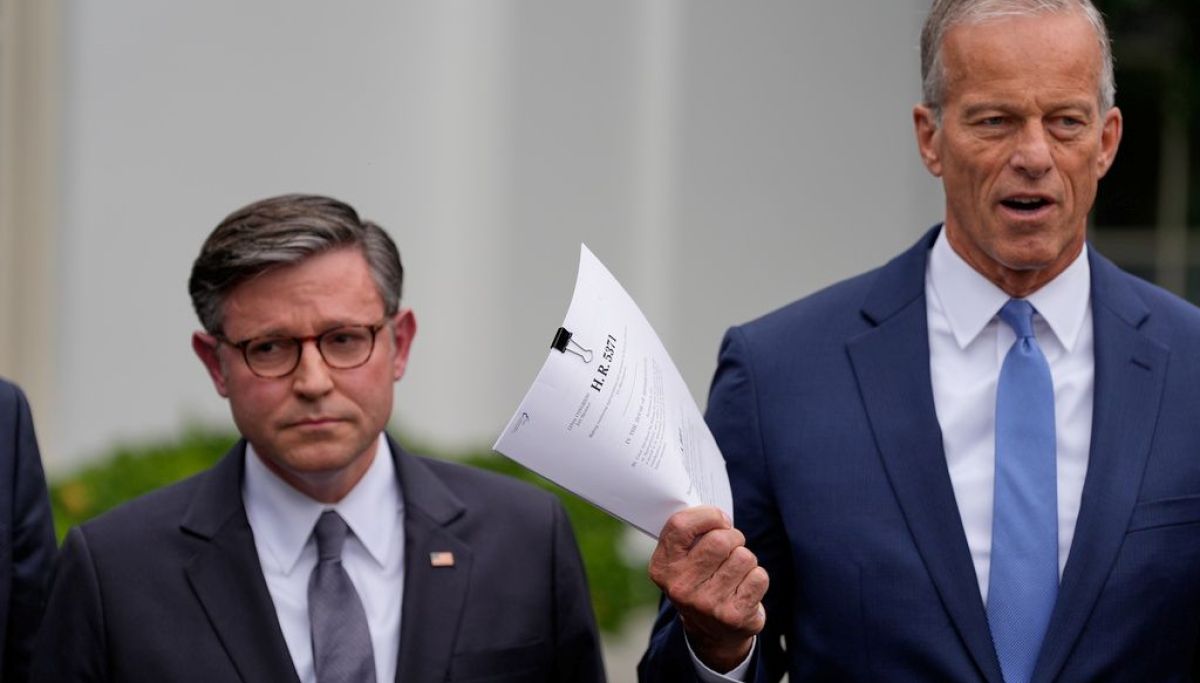
Trump at 32% Approval as Gas Prices Test GOP Midterm Hopes
NYT/Siena polling showed Trump's approval at historic lows around 32 percent with Democrats leading by double digits in key districts. Early voting has surged in battleground states.

Record Early Voting Hits Battlegrounds, Shifting Partisan Shares
AP analysis found hundreds of thousands more early ballots than in 2022 in states including Texas, Ohio, Kansas, Maine, and North Carolina, shifting partisan dynamics.
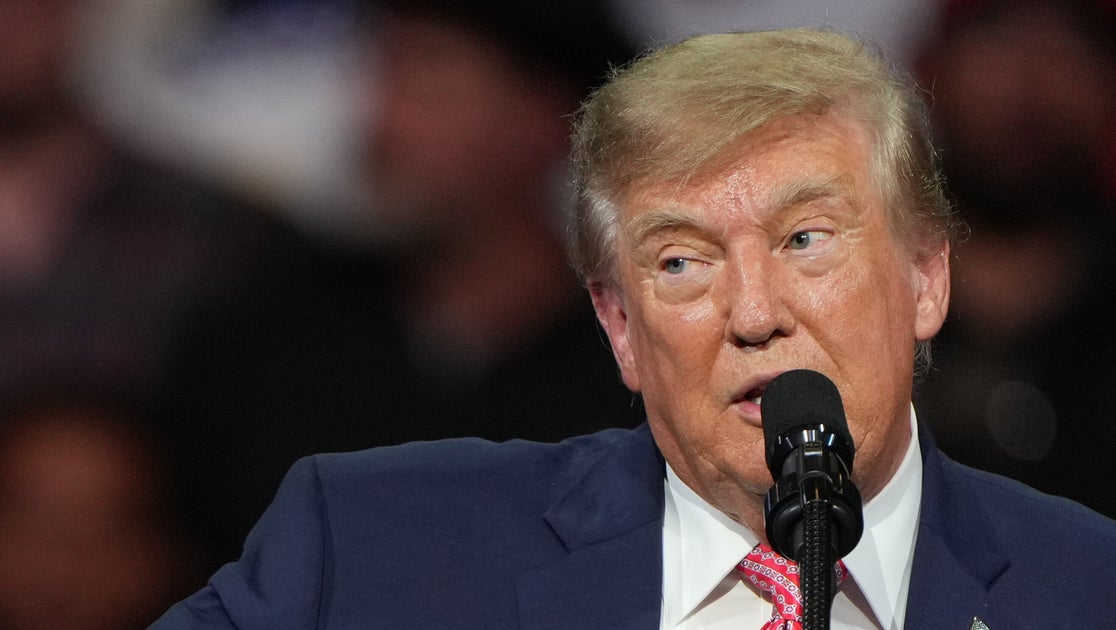
Trump Backs Marshall in Kansas Senate Race Tightened by Farm Costs
President Trump rallied in deep-red Kansas for GOP Sen. Roger Marshall in a competitive race, announcing an $8 billion farm fuel relief program amid high diesel prices. Democrats see an opening to end 94 years of GOP dominance in the state.

Trump Pauses Russia Sanctions Amid Ukraine Tensions and Missile Strikes
Trump waived sanctions on Russia and floated trilateral talks with Putin and Xi as part of ending the Ukraine war, while tensions rose with Zelenskyy over Starlink and arms. Bipartisan senators engaged Zelenskyy amid the shifts.
The Compass
You just read five takes on one story.
What's your take? Find your political shape in a few minutes.
Take the test