
Mills Exit Elevates Progressive Platner Against Collins in Maine Senate Race
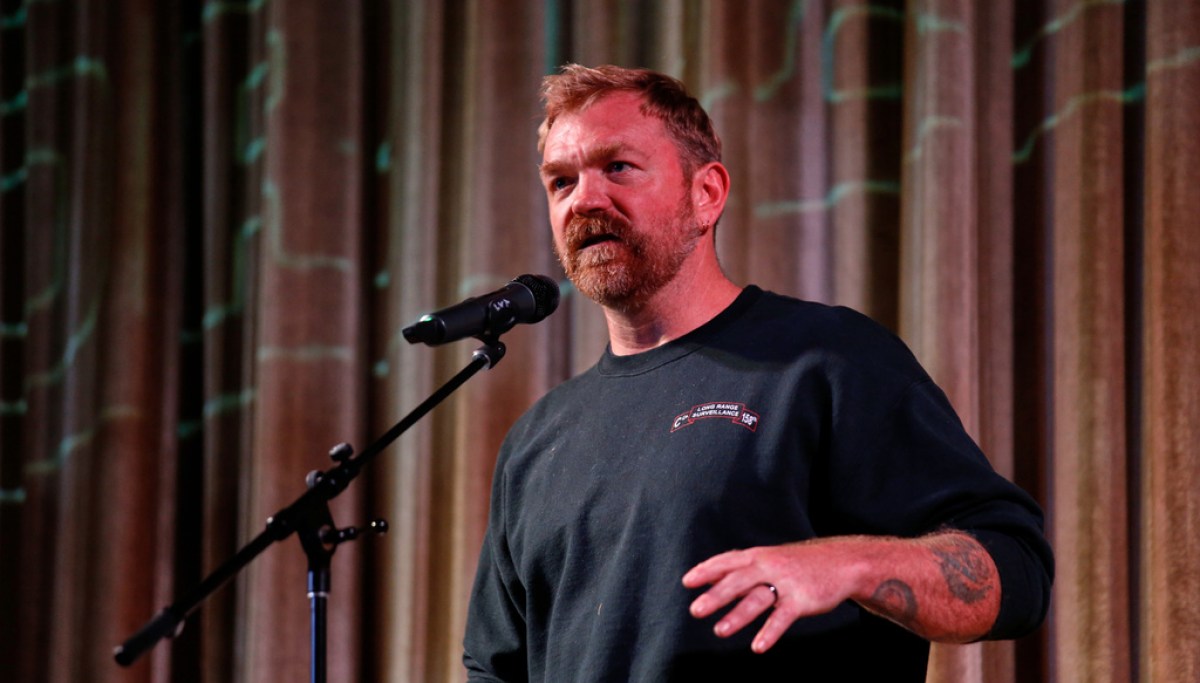
Cover image from washingtonexaminer.com, which was analyzed for this article
Democrat Gov. Janet Mills dropped out of the Maine Senate race, boosting GOP chances in a pivotal contest. Democrats fear left-leaning replacements could harm their midterm map. The shift underscores vulnerabilities in battleground states.
PoliticalOS
Friday, May 1, 2026 — Politics
Janet Mills's withdrawal hands Democrats a younger, progressive nominee in Graham Platner who has already demonstrated primary strength, yet also supplies Republicans with a clear target on his limited governing record and past personal controversies, some of which remain unverified. The contest will test whether Maine voters prioritize fresh populist energy against corporate and Trump-era power or prefer Collins's proven ability to deliver federal resources as an independent-minded incumbent. In a narrowly balanced Senate map, the outcome could hinge less on national mood than on whether Platner can neutralize attacks and consolidate the broad coalition that has kept Collins in office for decades.
What outlets missed
Most coverage omitted or downplayed Platner's documented U.S. Marine Corps service with combat deployments in Iraq from 2003-2007 and Afghanistan from 2010-2011, which undercuts the simple "political newcomer" label and provides a substantive rebuttal to experience-based attacks. Pre-withdrawal polling showing Platner leading Mills by wide margins, such as 52-18 percent in a March 2026 Maine Public poll, received little attention despite explaining her decision more concretely than vague notions of base impatience. High-profile progressive endorsements for Platner from Sens. Bernie Sanders and Elizabeth Warren were absent from two of the three major accounts, diminishing the picture of his viability within the party's left wing. Finally, precise sourcing on the nature of Platner's past Reddit posts—confirmed in local reporting as containing anti-gay slurs he later disavowed—varied widely, with some national outlets substituting unverified claims about rape commentary or rural insults that could not be corroborated elsewhere.
Maine Senate Race Tests Democrats Appetite for Progressive Outsiders After Mills Exit
The abrupt departure of Gov. Janet Mills from Maine’s Senate race has handed the Democratic nomination to Graham Platner, a 41-year-old oysterman and political newcomer whose rapid rise is forcing party leaders to confront an uncomfortable question: in an environment that should favor them, are Democrats once again risking winnable seats by elevating candidates who excite the base but test the limits of broader appeal?
Mills, a two-term governor who gained national attention for calmly defying President Trump in a White House meeting over transgender athletes in women’s sports, told the president “see you in court” when threatened with funding cuts. The moment resonated with liberals exhausted by institutional acquiescence. Senate Minority Leader Chuck Schumer personally recruited her to challenge Sen. Susan Collins, viewing the 78-year-old governor as the candidate best positioned to end Collins’s three-decade hold on the seat. Yet six months into her campaign, Mills concluded she could not match Platner’s grassroots energy or fundraising, withdrawing on Thursday and accelerating the contest into a general election that will test both parties’ priorities.
Platner, who runs an oyster farm in Downeast Maine, represents a distinct strain of Democratic politics gaining momentum in the post-Trump era. He is younger, more combative, and carries the outsider credibility that party activists increasingly demand. His campaign has leaned into digital organizing and progressive policy priorities, drawing support from voters impatient with establishment figures who seem shaped by decades inside the system. For many in the Democratic base, Mills’s long career in state government made her seem like a continuation of familiar leadership rather than the generational change they seek.
This development arrives at a moment when Democrats believe the midterm map tilts in their direction. Trump’s second term has already produced the kind of policy overreach and cultural fights that historically help the opposition party. Collins, though personally popular, has had to navigate the tension between her moderate brand and a national Republican Party that has moved significantly to the right. Democratic strategists had seen her seat as one of their clearest pickup opportunities.
Now those same strategists express quiet anxiety that Platner’s profile could complicate their path. One Democratic operative with experience on national campaigns, speaking on condition of anonymity, described the party as caught between two impulses: resentment of heavy-handed leadership from Washington and a historical record showing that ideological purity often falters in general elections. “The environment is in our favor,” the strategist said, “but that doesn’t guarantee anything.”
The Maine contest has become an early test case for tensions playing out in Democratic primaries across the country. Party leaders worry that a wave of left-leaning challengers could undermine efforts to reclaim the Senate majority, particularly in states with electorates that are progressive but not uniformly so. Maine’s political culture rewards independence and pragmatism. Collins has survived multiple well-funded Democratic challenges by positioning herself as a check on her own party’s extremes, a message that has resonated even as the state has trended left.
Platner’s supporters counter that the old assumptions about electability no longer hold. They point to his authentic connection to working-class Mainers, his distance from Washington’s donor class, and the enthusiasm gap that made Mills’s campaign unsustainable. In their view, the party’s best chance lies in matching Republican energy with a candidate who refuses to play defense on cultural issues or economic populism. The primary fight itself, they argue, has already demonstrated that voters are in a fighting mood after years of feeling that Democratic leadership too often chooses caution over confrontation.
The race is expected to be expensive and combative. Collins has a substantial war chest and decades of relationships across the state. Platner will need to prove he can broaden his coalition beyond the activist left without diluting the very qualities that secured the nomination. Early signs suggest both parties recognize the stakes. National Republican groups are already preparing to paint Platner as too radical for Maine, while progressive organizations see his candidacy as validation that the base’s preferences can no longer be ignored.
Mills’s exit removes a candidate who had successfully stood up to Trump in a very public way, yet proved unable to translate that moment into primary support. Her departure underscores a paradox in contemporary Democratic politics: the very qualities that make someone respected by institutional leaders and national media can render them suspect to a party base hungry for disruption. Whether Platner can convert that hunger into a Senate seat will help determine if Democrats’ 2026 ambitions rest on solid ground or reflect another cycle of internal miscalculation.
For now, the contest in Maine stands as more than a single Senate race. It is an early referendum on what kind of Democratic Party emerges from the Trump years, one shaped by institutional caution or grassroots impatience. The answer will matter far beyond New England’s rocky coast.
You just read Liberal's take. Want to read what actually happened?
More in Politics
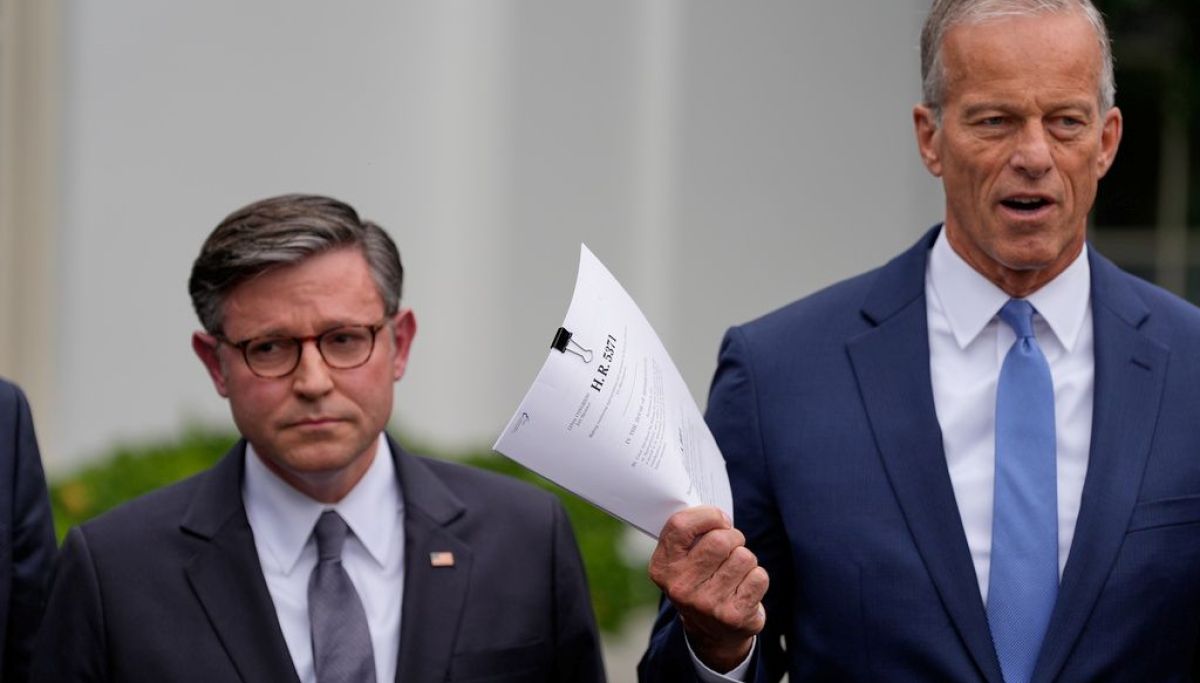
Trump at 32% Approval as Gas Prices Test GOP Midterm Hopes
NYT/Siena polling showed Trump's approval at historic lows around 32 percent with Democrats leading by double digits in key districts. Early voting has surged in battleground states.

Record Early Voting Hits Battlegrounds, Shifting Partisan Shares
AP analysis found hundreds of thousands more early ballots than in 2022 in states including Texas, Ohio, Kansas, Maine, and North Carolina, shifting partisan dynamics.
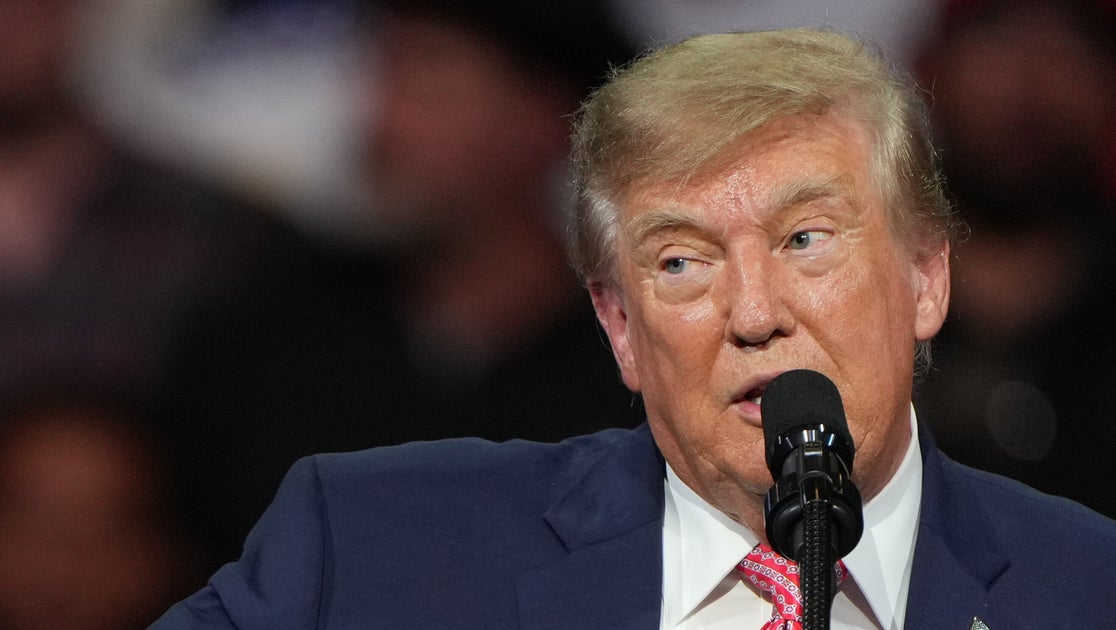
Trump Backs Marshall in Kansas Senate Race Tightened by Farm Costs
President Trump rallied in deep-red Kansas for GOP Sen. Roger Marshall in a competitive race, announcing an $8 billion farm fuel relief program amid high diesel prices. Democrats see an opening to end 94 years of GOP dominance in the state.

Trump Pauses Russia Sanctions Amid Ukraine Tensions and Missile Strikes
Trump waived sanctions on Russia and floated trilateral talks with Putin and Xi as part of ending the Ukraine war, while tensions rose with Zelenskyy over Starlink and arms. Bipartisan senators engaged Zelenskyy amid the shifts.
The Compass
You just read five takes on one story.
What's your take? Find your political shape in a few minutes.
Take the test