
Trump Administration Reclassifies Medical Marijuana to Schedule III
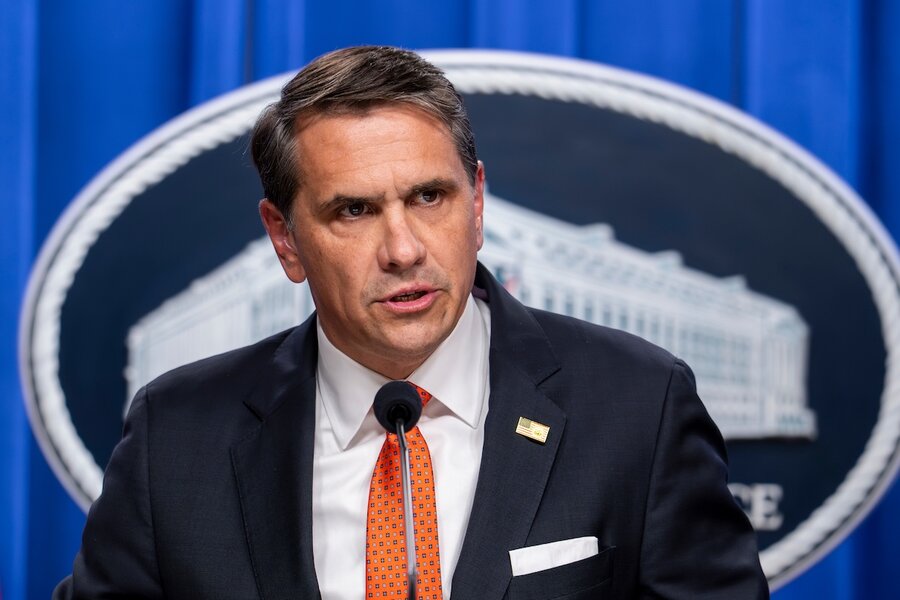
Cover image from csmonitor.com, which was analyzed for this article
Acting AG Blanche moves state-licensed medical marijuana to Schedule III like ketamine, signaling reform path. Public opinion mixed on reduced dangers. Ties into broader FDA red tape cuts for drugs like ibogaine aiding veterans.
PoliticalOS
Friday, April 24, 2026 — Politics
The Trump administration has formally recognized currently accepted medical uses for state-regulated marijuana by moving it to Schedule III, removing a longstanding tax penalty and lowering research barriers while stopping short of federal legalization. The move rests on a 2023 HHS evidence review yet faces legal challenges and coexists with persistent worries about cannabis-use disorder, youth access and blurred medical-recreational lines. Paired with a separate push to accelerate psychedelic therapies such as ibogaine for veterans, the policy signals a broader reevaluation of once-forbidden substances; the decisive test will be whether ensuing research validates therapeutic claims or confirms long-term societal costs.
What outlets missed
Most outlets underplayed the 2023 HHS evaluation that provided the scientific backbone for rescheduling, documenting currently accepted medical use through state programs and comparative abuse potential lower than Schedules I and II. The precise tax mechanism — repeal of IRC Section 280E restrictions for Schedule III entities — received scant detail despite its estimated annual value to the industry in the hundreds of millions. Coverage of the ibogaine executive order rarely noted that the Stanford trial was small, open-label and run abroad, nor did most reports clarify that the marijuana order and psychedelic directive are separate though philosophically linked actions. State counts were occasionally imprecise; only Idaho maintains a complete prohibition on all cannabis products, while Kansas permits low-THC medical use. Finally, few stories examined how the June 29 DEA hearing could extend Schedule III benefits to recreational programs, an outcome that would amplify both the fiscal upside and the public-health debate.
Trump Administration Reclassifies Medical Marijuana While Easing Path for Veteran Psychedelic Treatment
The Trump administration is adjusting federal drug policy on two fronts, reclassifying state-regulated medical marijuana while directing faster review of ibogaine and other psychedelics for veterans. A Justice Department order signed Thursday by Acting Attorney General Todd Blanche moves state-licensed medical cannabis from Schedule I, the strictest category shared with heroin and LSD, to Schedule III. The change does not legalize marijuana under federal law but reduces regulatory hurdles, opens eligibility for certain tax deductions, and may ease research barriers and permit limited exports.
Forty states and the District of Columbia already allow medical marijuana. Twenty-four states plus Washington, D.C., permit recreational use. Only Idaho and Kansas have declined to approve cannabis in any form since California began the state-level shift in 1996. The administration has also scheduled a June 29 Drug Enforcement Administration hearing that could extend reclassification to recreational markets. Industry lawyers described the medical shift as an early signal of broader intent. Boston attorney Jesse Alderman called it evidence the administration intends to follow through on promises of a more practical approach.
President Trump has framed the changes as common-sense adjustments to a substance many Americans view as less dangerous than alcohol. Yet recent polling shows public attitudes hardening. A 2024 Gallup survey found a slim majority of respondents believe marijuana harms most users and damages society overall, a deterioration from 2022 even as legal sales grew. Some senior figures in the president's own party have voiced opposition, arguing the move undercuts long-standing federal prohibitions.
The marijuana action arrives alongside a separate executive order signed Saturday focused on ibogaine, a plant-derived psychedelic long restricted under Schedule I. Standing with podcaster Joe Rogan and Navy SEAL Marcus Luttrell, Trump directed the FDA to fast-track priority review of psychedelic compounds that have already earned Breakthrough Therapy status. The order commits $50 million in federal matching funds for state ibogaine research programs, authorizes the first domestic clinical trials, and expands access through the Right to Try program.
For more than a decade, veterans with PTSD and traumatic brain injury have traveled to clinics in Mexico and elsewhere for ibogaine treatment unavailable under U.S. rules. The new policy aims to bring that option under regulated study at home rather than leaving patients to unregulated foreign providers. Trump said the directive would give those with debilitating symptoms a realistic chance to rebuild their lives. The approach treats ibogaine as a potential tool for a specific population whose injuries stem from national service, not as a general recreational substance.
These twin moves reflect a pattern of pragmatic adjustments rather than wholesale legalization. Federal prohibition has coexisted for years with a patchwork of state experiments that now generate billions in tax revenue. At the same time, regulators have maintained tight controls on substances lacking clear medical consensus. The Schedule III designation for medical marijuana acknowledges that state licensing regimes have created oversight systems from cultivation to sale, while still preserving federal authority over interstate commerce and outright legalization.
Skeptics note that marijuana use carries documented risks, particularly for adolescents and heavy users, and that expanded access can complicate law enforcement and workplace safety. The Gallup data suggesting growing societal concern underscores that legal availability has not produced uniform enthusiasm. Republican reservations within the administration's own coalition highlight internal tension between federalism and uniform national policy.
The ibogaine order, by contrast, targets a narrow therapeutic window. Traditional treatments for veteran trauma have shown uneven results. Ibogaine's centuries-old traditional use in certain cultures and early clinical observations have prompted advocates, including some in special operations circles, to press for domestic research. By committing funds and clearing bureaucratic obstacles, the executive order attempts to replace decades of regulatory stasis with structured inquiry. The substance remains Schedule I pending further evidence, preserving guardrails while widening the runway for data collection.
Legal challenges to the marijuana reclassification are expected. Courts will likely be asked whether the executive branch overstepped in adjusting scheduling without new legislation. The June DEA hearing will also draw input from public health officials, law enforcement, and industry stakeholders. Outcomes there could determine whether tax and research benefits reach recreational operators or remain confined to medical programs.
Taken together, the actions suggest an administration attempting to reconcile three realities: the spread of state-level cannabis markets, persistent public unease about marijuana's broader effects, and the acute needs of veterans carrying invisible wounds from two decades of conflict. Rather than a sweeping ideological reversal, the steps carve out targeted regulatory relief where state infrastructure exists or where military service has created concentrated suffering. How far those adjustments extend will depend on the DEA process, congressional response, and whether emerging research supports the early claims made for both cannabis medicines and ibogaine therapy.
The developments arrive at a moment when Americans continue to debate the proper balance between individual liberty, public health, and federal power. State laboratories of democracy have tested wide legalization. Federal policy is now inching toward alignment on the medical side while maintaining caution on recreational use. For veterans seeking relief, the ibogaine initiative offers a concrete test of whether faster regulatory review can deliver results without repeating past policy mistakes.
You just read Conservative's take. Want to read what actually happened?
More in Politics
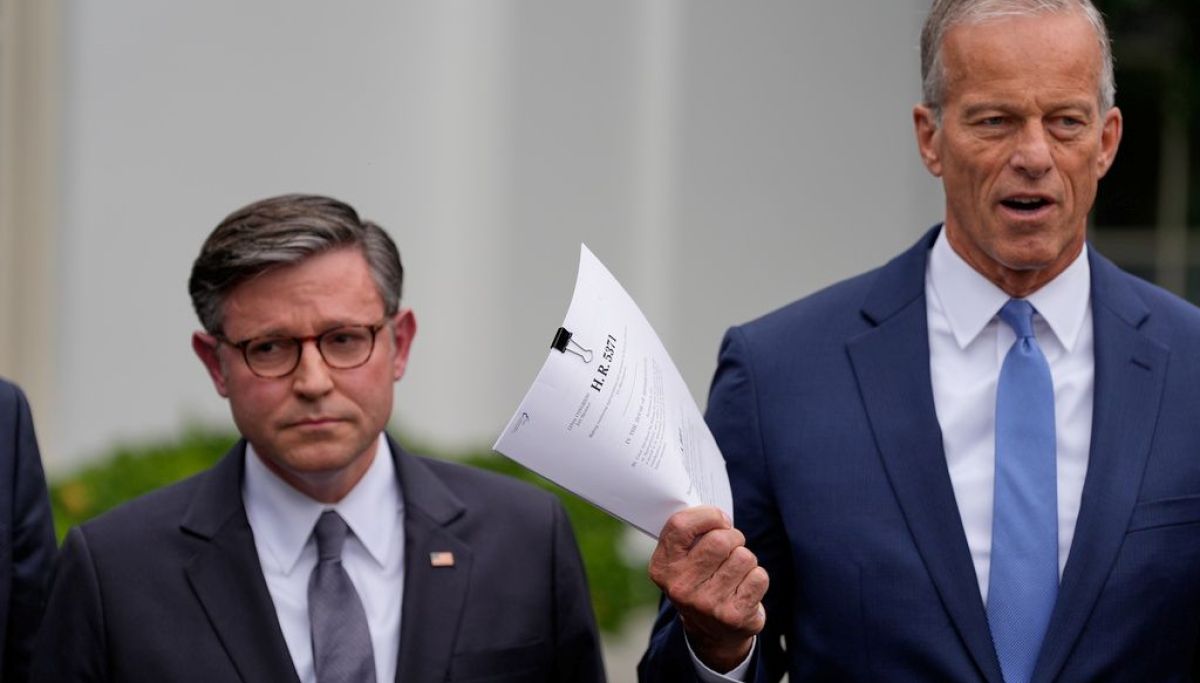
Trump at 32% Approval as Gas Prices Test GOP Midterm Hopes
NYT/Siena polling showed Trump's approval at historic lows around 32 percent with Democrats leading by double digits in key districts. Early voting has surged in battleground states.

Record Early Voting Hits Battlegrounds, Shifting Partisan Shares
AP analysis found hundreds of thousands more early ballots than in 2022 in states including Texas, Ohio, Kansas, Maine, and North Carolina, shifting partisan dynamics.
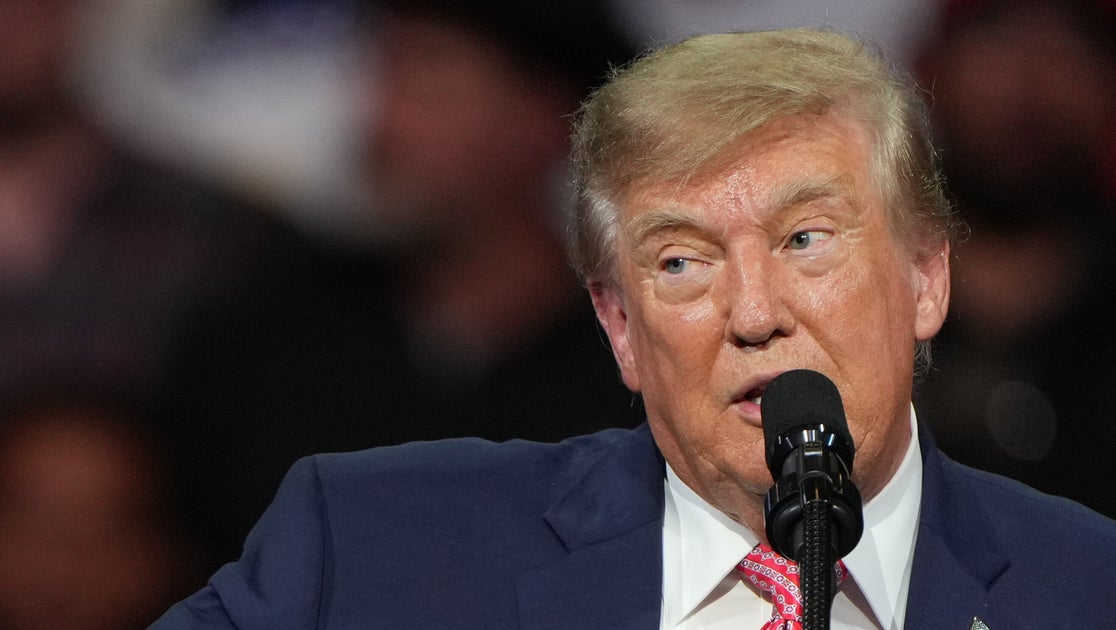
Trump Backs Marshall in Kansas Senate Race Tightened by Farm Costs
President Trump rallied in deep-red Kansas for GOP Sen. Roger Marshall in a competitive race, announcing an $8 billion farm fuel relief program amid high diesel prices. Democrats see an opening to end 94 years of GOP dominance in the state.

Trump Pauses Russia Sanctions Amid Ukraine Tensions and Missile Strikes
Trump waived sanctions on Russia and floated trilateral talks with Putin and Xi as part of ending the Ukraine war, while tensions rose with Zelenskyy over Starlink and arms. Bipartisan senators engaged Zelenskyy amid the shifts.
The Compass
You just read five takes on one story.
What's your take? Find your political shape in a few minutes.
Take the test