
Trump Administration Reclassifies Medical Marijuana to Schedule III
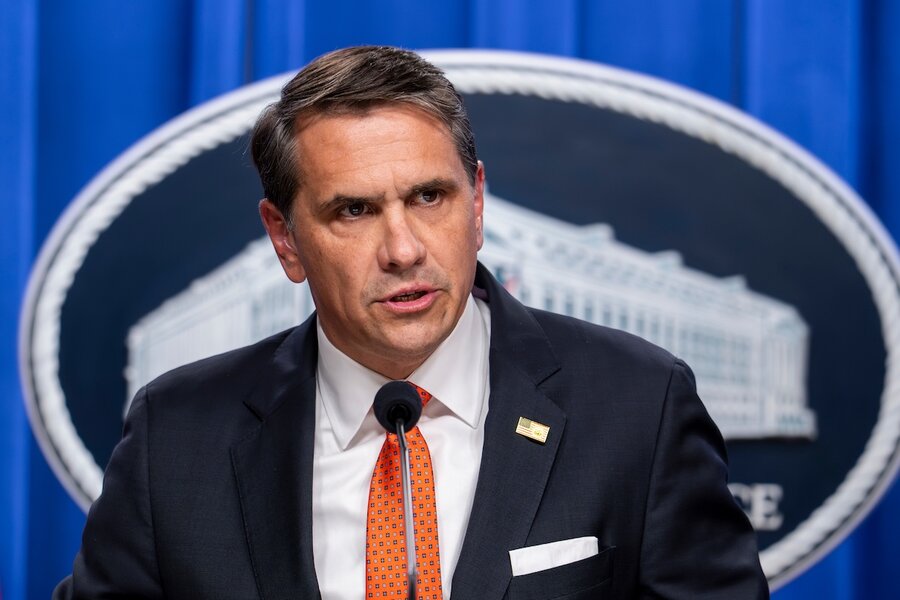
Cover image from csmonitor.com, which was analyzed for this article
Acting AG Blanche moves state-licensed medical marijuana to Schedule III like ketamine, signaling reform path. Public opinion mixed on reduced dangers. Ties into broader FDA red tape cuts for drugs like ibogaine aiding veterans.
PoliticalOS
Friday, April 24, 2026 — Politics
The Trump administration has formally recognized currently accepted medical uses for state-regulated marijuana by moving it to Schedule III, removing a longstanding tax penalty and lowering research barriers while stopping short of federal legalization. The move rests on a 2023 HHS evidence review yet faces legal challenges and coexists with persistent worries about cannabis-use disorder, youth access and blurred medical-recreational lines. Paired with a separate push to accelerate psychedelic therapies such as ibogaine for veterans, the policy signals a broader reevaluation of once-forbidden substances; the decisive test will be whether ensuing research validates therapeutic claims or confirms long-term societal costs.
What outlets missed
Most outlets underplayed the 2023 HHS evaluation that provided the scientific backbone for rescheduling, documenting currently accepted medical use through state programs and comparative abuse potential lower than Schedules I and II. The precise tax mechanism — repeal of IRC Section 280E restrictions for Schedule III entities — received scant detail despite its estimated annual value to the industry in the hundreds of millions. Coverage of the ibogaine executive order rarely noted that the Stanford trial was small, open-label and run abroad, nor did most reports clarify that the marijuana order and psychedelic directive are separate though philosophically linked actions. State counts were occasionally imprecise; only Idaho maintains a complete prohibition on all cannabis products, while Kansas permits low-THC medical use. Finally, few stories examined how the June 29 DEA hearing could extend Schedule III benefits to recreational programs, an outcome that would amplify both the fiscal upside and the public-health debate.
Trump Moves to Ease Marijuana Rules and Help Veterans with Psychedelic Therapies
The Trump administration is dismantling pieces of the federal government’s decades-long war on drugs, reclassifying state-licensed medical marijuana and clearing bureaucratic obstacles for psychedelic treatments that could help veterans suffering from PTSD and traumatic brain injuries.
Acting Attorney General Todd Blanche signed an order Thursday moving licensed medical marijuana from Schedule I, the strictest category that lumps it with heroin and LSD, to Schedule III. The change brings fewer federal regulations and opens the door for tax breaks that could help businesses in states where medical cannabis is already legal. A separate Drug Enforcement Administration hearing scheduled for June 29 could extend similar treatment to recreational markets. President Trump has called the overall approach “common sense,” noting that most states have already moved ahead while Washington remained stuck in prohibition-era thinking.
Forty states and the District of Columbia now permit some form of medical marijuana. Twenty-four states plus Washington, D.C., allow adult recreational use. These markets generate billions in tax revenue. Only Idaho and Kansas have refused to legalize cannabis in any form. The Trump order acknowledges that state regulatory systems for growing, testing, and selling medical marijuana have matured significantly since California became the first state to approve it in 1996. Yet the drug remains illegal under federal law, and the new classification does not change that core prohibition.
Public opinion presents a more complicated picture. A Gallup poll last year found a slim majority of Americans now believe marijuana harms most users and damages society overall, a more negative view than in 2022 even as legal sales expanded. Some Republican leaders have expressed reservations about the reclassification, warning that easing federal rules could send the wrong message at a time when fentanyl and other hard drugs continue to kill Americans. The administration’s move arrives as the cannabis industry celebrates what one Boston attorney called a clear signal that “this administration means business.”
At the same time, Trump is applying similar skepticism toward outdated federal bureaucracy in the realm of psychedelic medicines. On Saturday he signed an executive order instructing the FDA to fast-track priority reviews for therapies that have received Breakthrough Therapy designations. The order commits $50 million in federal matching funds for states pursuing ibogaine research programs, paves the way for the first clinical trials of ibogaine on American soil, and expands access through the Right to Try framework.
Ibogaine, derived from an African plant, remains on Schedule I for now. But the president’s directive could dramatically speed up research into its potential to treat the invisible wounds carried by veterans. Standing beside conservative podcaster Joe Rogan and Navy SEAL Marcus Luttrell, whose story inspired the film “Lone Survivor,” Trump said the goal was to give people “a chance to reclaim their lives and lead a happier life.”
The move addresses a grim reality. For years, veterans with severe PTSD and traumatic brain injuries have been forced to travel to unregulated clinics in Mexico because American doctors could not legally offer ibogaine at home. The FDA’s glacial approval process treated a plant with centuries of traditional use as if it were some rogue street drug. Families watched their loved ones continue to struggle while Washington studied the issue to death. Trump’s order recognizes that this delay has carried a human cost measured in broken marriages, substance abuse, and suicides among those who served the country.
Critics will likely challenge both the marijuana reclassification and the ibogaine push in court. Legal battles are expected. Yet the administration’s actions reflect a broader pattern: distrust of centralized public health bureaucracies that have often appeared more interested in protecting their own power than in practical results for ordinary citizens. The same federal agencies that spent years insisting cannabis had no medical value watched states build sophisticated regulatory systems that generated revenue and, in some cases, provided relief for chronic pain patients.
This is not a full embrace of drug legalization. The president has not called for marijuana to be treated like alcohol at the federal level, and the ibogaine order focuses narrowly on therapeutic use under medical supervision rather than recreational experimentation. Trump’s team appears to be drawing a distinction between helping people in genuine medical need, especially those who sacrificed for the nation, and turning a blind eye to the societal costs of widespread drug use that polls suggest more Americans are beginning to recognize.
The June DEA hearing will determine how far the marijuana changes extend. For now, the administration has delivered concrete steps that ease pressure on state programs and create new pathways for treatments long blocked by Washington. Veterans groups and medical marijuana advocates alike are watching closely to see whether these moves mark the beginning of a larger shift away from one-size-fits-all prohibition toward policies that reflect real-world experience rather than outdated ideology. For families who have waited years for relief, the change in tone from the White House is unmistakable.
You just read America First's take. Want to read what actually happened?
More in Politics
Trump at 32% Approval as Gas Prices Test GOP Midterm Hopes
NYT/Siena polling showed Trump's approval at historic lows around 32 percent with Democrats leading by double digits in key districts. Early voting has surged in battleground states.

Record Early Voting Hits Battlegrounds, Shifting Partisan Shares
AP analysis found hundreds of thousands more early ballots than in 2022 in states including Texas, Ohio, Kansas, Maine, and North Carolina, shifting partisan dynamics.
Trump Backs Marshall in Kansas Senate Race Tightened by Farm Costs
President Trump rallied in deep-red Kansas for GOP Sen. Roger Marshall in a competitive race, announcing an $8 billion farm fuel relief program amid high diesel prices. Democrats see an opening to end 94 years of GOP dominance in the state.

Trump Pauses Russia Sanctions Amid Ukraine Tensions and Missile Strikes
Trump waived sanctions on Russia and floated trilateral talks with Putin and Xi as part of ending the Ukraine war, while tensions rose with Zelenskyy over Starlink and arms. Bipartisan senators engaged Zelenskyy amid the shifts.
The Compass
You just read five takes on one story.
What's your take? Find your political shape in a few minutes.
Take the test