
Trump Administration Reclassifies Medical Marijuana to Schedule III

Cover image from csmonitor.com, which was analyzed for this article
Acting AG Blanche moves state-licensed medical marijuana to Schedule III like ketamine, signaling reform path. Public opinion mixed on reduced dangers. Ties into broader FDA red tape cuts for drugs like ibogaine aiding veterans.
PoliticalOS
Friday, April 24, 2026 — Politics
The Trump administration has formally recognized currently accepted medical uses for state-regulated marijuana by moving it to Schedule III, removing a longstanding tax penalty and lowering research barriers while stopping short of federal legalization. The move rests on a 2023 HHS evidence review yet faces legal challenges and coexists with persistent worries about cannabis-use disorder, youth access and blurred medical-recreational lines. Paired with a separate push to accelerate psychedelic therapies such as ibogaine for veterans, the policy signals a broader reevaluation of once-forbidden substances; the decisive test will be whether ensuing research validates therapeutic claims or confirms long-term societal costs.
What outlets missed
Most outlets underplayed the 2023 HHS evaluation that provided the scientific backbone for rescheduling, documenting currently accepted medical use through state programs and comparative abuse potential lower than Schedules I and II. The precise tax mechanism — repeal of IRC Section 280E restrictions for Schedule III entities — received scant detail despite its estimated annual value to the industry in the hundreds of millions. Coverage of the ibogaine executive order rarely noted that the Stanford trial was small, open-label and run abroad, nor did most reports clarify that the marijuana order and psychedelic directive are separate though philosophically linked actions. State counts were occasionally imprecise; only Idaho maintains a complete prohibition on all cannabis products, while Kansas permits low-THC medical use. Finally, few stories examined how the June 29 DEA hearing could extend Schedule III benefits to recreational programs, an outcome that would amplify both the fiscal upside and the public-health debate.
Trump Administration Reclassifies Medical Marijuana in Significant Policy Shift
The Trump administration moved this week to bring federal marijuana policy closer to the reality already established in most states, reclassifying state-licensed medical cannabis as a Schedule III substance rather than a Schedule I drug with no accepted medical use. The Justice Department order, signed Thursday by Acting Attorney General Todd Blanche, represents one of the most concrete federal concessions yet to the state-level experiment that has unfolded over the past three decades.
The change does not legalize marijuana for medical or recreational purposes under federal law. Possession and distribution outside state-licensed systems remain illegal. What it does is ease a thicket of regulatory barriers that have long treated cannabis as akin to heroin or LSD. Products from licensed medical programs will now face less stringent controls. Dispensaries and cultivators could gain access to ordinary banking relationships, deduct ordinary business expenses on their federal taxes, and potentially pursue research with fewer bureaucratic obstacles. Industry lawyers described the move as a long-sought signal that the federal government is finally acknowledging the sophisticated regulatory regimes states have built.
The timing is notable. A separate Drug Enforcement Administration hearing scheduled for June 29 could accelerate a broader reclassification that would extend similar relief to recreational markets. Twenty-four states plus Washington, D.C., have already legalized adult-use cannabis. Forty states permit medical programs of varying rigor. Only Idaho and Kansas have resisted any form of legalization. The result has been a sprawling, multi-billion-dollar industry operating in legal gray zones, paying punitive federal taxes under the 280E provision that bars normal business deductions for Schedule I substances.
President Trump has framed the changes as a “common sense” adjustment, arguing that marijuana is less harmful than alcohol for many adults. The administration’s move follows years of quiet pressure from governors, lawmakers, and industry groups who pointed to the disconnect between federal prohibition and state experimentation. Yet the policy shift arrives at a curious moment in public sentiment. A Gallup poll conducted last year found that a slim majority of Americans now believe marijuana harms most users and damages society overall, a deterioration from attitudes measured in 2022 even as commercial sales continued to climb.
This growing skepticism is not appearing in a vacuum. Emergency room visits linked to high-potency THC products have risen in several states. Reports of increased cannabis use among teenagers and young adults have alarmed some public health officials. At the same time, other surveys continue to show majority support for legalization, suggesting Americans remain conflicted: many favor legal, regulated markets while harboring deepening doubts about the drug’s broader effects on motivation, mental health, and community safety.
The contradictions mirror larger tensions within the Republican Party. Some prominent conservatives have warned that reclassification risks normalizing a substance whose long-term consequences remain incompletely understood. Others, particularly those representing states with mature cannabis industries, see economic opportunity and a chance to reduce black-market activity. The administration appears to be threading a needle: offering regulatory relief to existing state programs while stopping short of full federal legalization that would require congressional action.
The order also highlights how far state regulation has evolved since California first approved medical marijuana in 1996. Modern programs feature seed-to-sale tracking, potency testing, licensing regimes, and restrictions on advertising. Federal officials cited this maturation as evidence that marijuana no longer belongs in the same category as drugs with no established medical value. The reclassification could even open limited pathways for export of pharmaceutical-grade cannabis products, though significant barriers remain.
This week’s announcement fits a pattern of incremental federal retreats from the strictest elements of the war on drugs. For decades, prohibition created perverse incentives: state-legal businesses could not access standard financial services, researchers faced absurd paperwork to study a plant consumed daily by millions, and tax revenue that could have funded public health initiatives instead leaked into underground economies. The Schedule III move addresses some of these distortions without upending the federal stance that marijuana is not harmless.
Yet the policy leaves many questions unresolved. Will the Food and Drug Administration now move more quickly to evaluate specific medical claims? How will federal prosecutors treat cases involving state-legal products that cross state lines? And will the growing body of evidence about cannabis use disorder, particularly among heavy adolescent users, shape future regulatory guardrails?
For the cannabis industry, the immediate practical effects are substantial. Tax relief alone could unlock hundreds of millions of dollars currently lost to the unusual accounting rules imposed on Schedule I businesses. Smaller operators who have struggled under the weight of 280E may find breathing room. Larger multistate companies could see their valuations rise as investors gain more confidence in the sector’s federal footing.
Still, the administration’s move is best understood as pragmatic adjustment rather than ideological conversion. Trump has not embraced the full-throated legalization arguments popular on the left. Instead, the policy reads as recognition that rigid federal prohibition has become unsustainable in a country where cannabis is as accessible as alcohol in most major cities. The test will be whether this reclassification encourages states to strengthen their own public health safeguards or simply accelerates commercialization of ever-more-potent products.
As the June DEA hearing approaches, lawmakers and regulators face a choice between continuing this incremental path or attempting a more comprehensive overhaul. The public’s mixed signals, captured in competing polls showing both support for legal access and rising concern about societal costs, suggest that any durable policy will need to balance compassion for patients, respect for state innovation, and honest reckoning with emerging data about harms. For now, the Trump administration has chosen the middle path of reclassification, acknowledging medical reality while leaving the larger debate over recreational use to another day.
You just read Liberal's take. Want to read what actually happened?
More in Politics
Trump at 32% Approval as Gas Prices Test GOP Midterm Hopes
NYT/Siena polling showed Trump's approval at historic lows around 32 percent with Democrats leading by double digits in key districts. Early voting has surged in battleground states.

Record Early Voting Hits Battlegrounds, Shifting Partisan Shares
AP analysis found hundreds of thousands more early ballots than in 2022 in states including Texas, Ohio, Kansas, Maine, and North Carolina, shifting partisan dynamics.
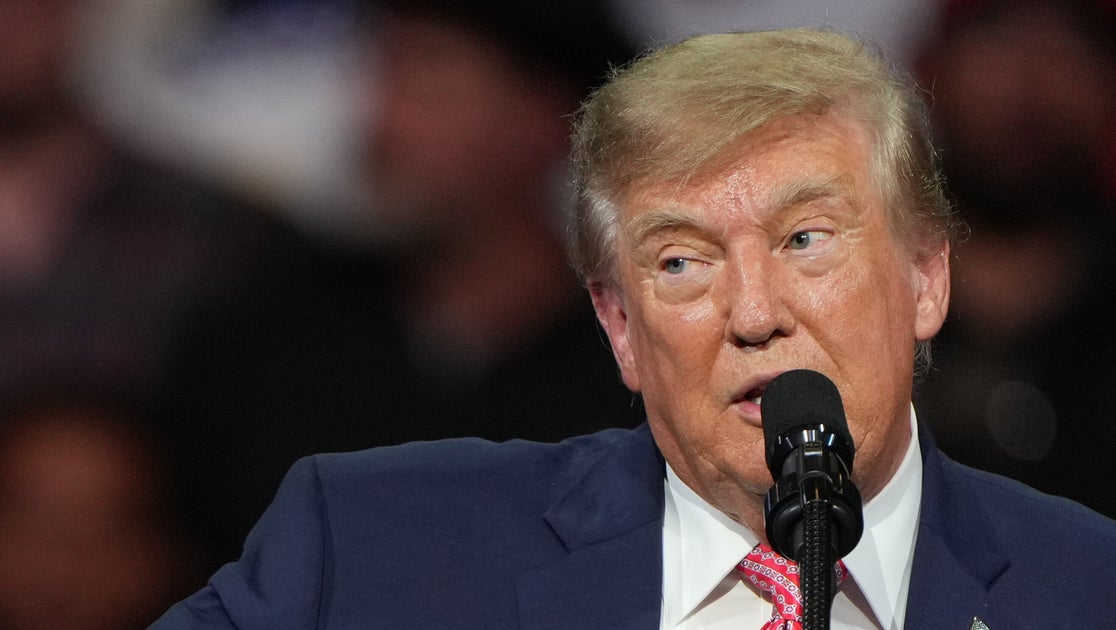
Trump Backs Marshall in Kansas Senate Race Tightened by Farm Costs
President Trump rallied in deep-red Kansas for GOP Sen. Roger Marshall in a competitive race, announcing an $8 billion farm fuel relief program amid high diesel prices. Democrats see an opening to end 94 years of GOP dominance in the state.

Trump Pauses Russia Sanctions Amid Ukraine Tensions and Missile Strikes
Trump waived sanctions on Russia and floated trilateral talks with Putin and Xi as part of ending the Ukraine war, while tensions rose with Zelenskyy over Starlink and arms. Bipartisan senators engaged Zelenskyy amid the shifts.
The Compass
You just read five takes on one story.
What's your take? Find your political shape in a few minutes.
Take the test