
Memorial Day Messages Mix Tribute and Partisan Barbs

Cover image from rawstory.com, which was analyzed for this article
Trump issued a proclamation while critics on both sides highlighted his past comments on veterans and POWs. Outlets across the spectrum reflected on military sacrifice and current political divisions.
PoliticalOS
Monday, May 25, 2026 — Politics
Memorial Day continues to serve as both a day of remembrance and a mirror for contemporary divisions. Trump’s posts and critics’ references to his earlier statements on veterans illustrate how quickly partisan framing enters the observance. Readers gain the clearest picture by placing the quoted messages alongside the documented record of past comments and the separate historical accounts rather than relying on any single outlet’s emphasis.
What outlets missed
No outlet supplied the full text of any formal presidential proclamation issued for the holiday. Several pieces cited casualty totals from ongoing conflicts without including the documented initiating events or the UN attributions of responsibility for specific strikes. The 1868 national proclamation by Gen. John A. Logan that turned scattered local observances into a coordinated federal holiday received no mention. Contemporary reactions from veterans’ organizations or families of the fallen were absent from every account examined.
Americans paused on Memorial Day to honor service members killed in action, yet several prominent statements quickly turned to current political fights. President Trump posted on Truth Social at 6 a.m. that he wished a happy holiday “to all, including the Dumocrats, who disrespect our Military,” then added minutes later that Democrats have “BAD POLICY, AND BAD CANDIDATES.” The messages followed an earlier post naming three Republican lawmakers as “losers and sleazebags” for criticizing his Iran talks.
Critics immediately linked the posts to Trump’s earlier remarks about Senator John McCain. During the 2016 campaign Trump said McCain was “not a war hero” because he had been captured, later clarifying he preferred “people that weren’t captured.” Trump received Vietnam-era deferments for a claimed bone spur; his former attorney Michael Cohen told a House committee in 2019 that Trump had instructed him to confirm only the deferment without supplying records. Columnist Robert Reich contrasted those statements with the story of a college friend, Robbie, who went missing in action in Vietnam in 1972 and whose body was never recovered.
Other writers used the holiday to examine different gaps in remembrance. One argued that civilian deaths now outnumber combatant deaths in many conflicts and called for public rituals focused on noncombatants. Historical pieces recalled the 1866 Decoration Day observance in Columbus, Mississippi, where women placed flowers on both Union and Confederate graves, and the 1777 death of the first U.S. Army chaplain killed in battle. A short newsletter simply urged readers to remember those who made the ultimate sacrifice.
The range of pieces showed the same underlying tension: whether Memorial Day should remain a day set apart from partisan argument or whether the freedoms being honored include the right to speak on any day. No single outlet assembled the full sequence of Trump’s posts, the documented record of his prior comments, and the separate historical claims into one account.
More in Politics

Trump Defends Ramaswamy Ad Using Estranged Mother in Ohio Race
President Trump defended a GOP nominee's ad featuring a Democratic opponent's estranged mother, calling it powerful, while drawing criticism from some Republicans including Ohio Gov. Mike DeWine. The ad has sparked internal GOP tensions ahead of midterms.
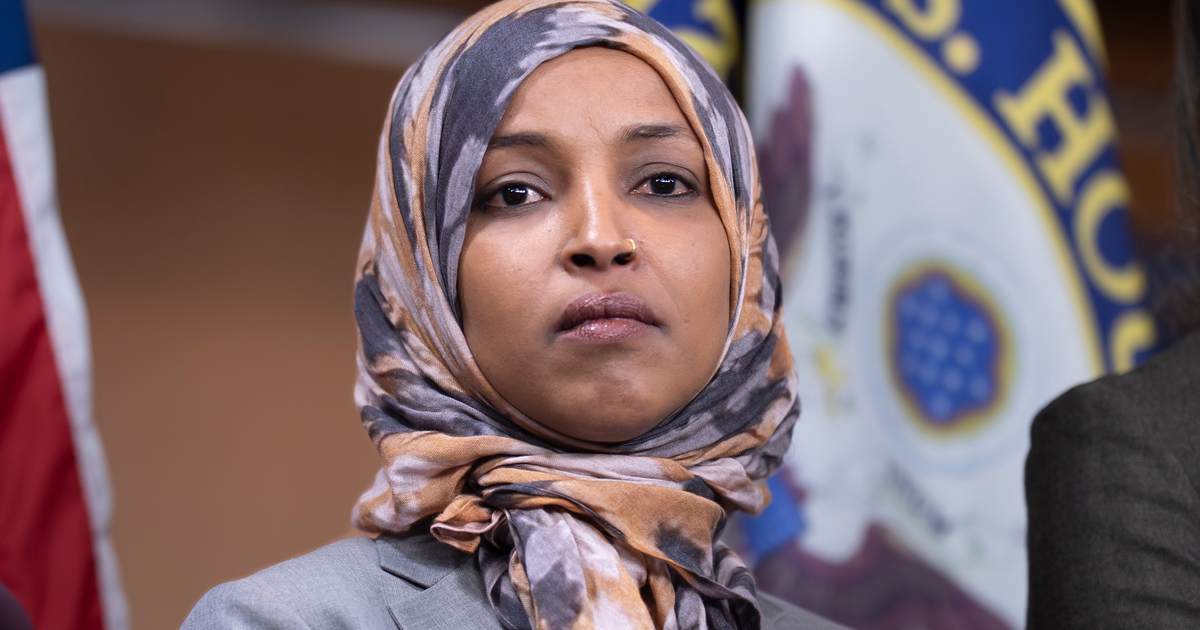
Federal Raid Targets Omar Amid Unresolved Name and Marriage Allegations
Agents searched Rep. Ilhan Omar's DC residence over immigration fraud allegations; she called it bizarre. Reports and commentary questioned her birth name and past marriage details.

Supreme Court Upholds New Hampshire Student ID Voting Ban
The Supreme Court upheld New Hampshire's ban on student IDs as valid voter identification just before midterms, affecting a tight Senate race.
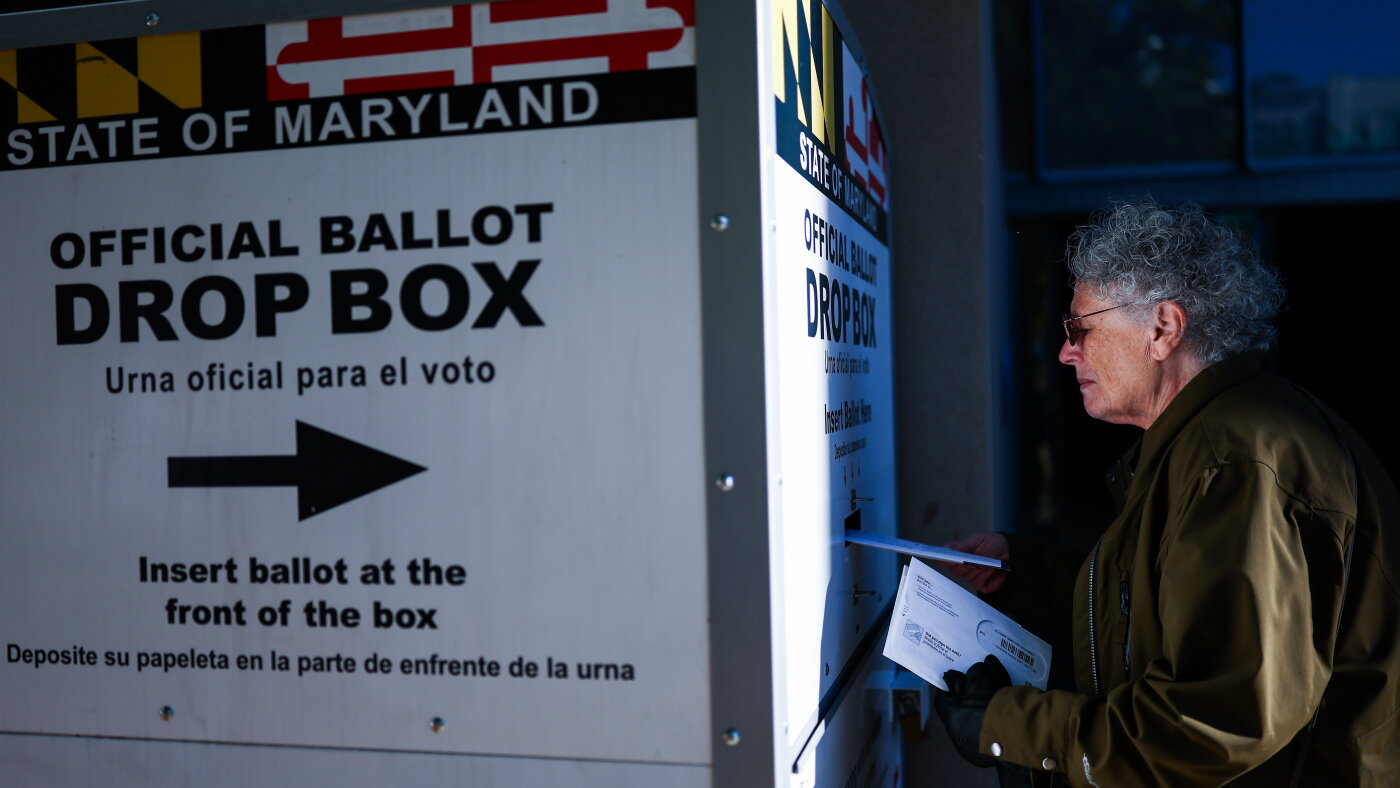
Early Voting Hits 21 Million as Most Trust Midterm Accuracy
Millions have already voted early as parties make final appeals amid $1.4 billion in ad spending; polls show confidence in election accuracy.
The Compass
You just read five takes on one story.
What's your take? Find your political shape in a few minutes.
Take the test