
Memorial Day Messages Mix Tribute and Partisan Barbs

Cover image from rawstory.com, which was analyzed for this article
Trump issued a proclamation while critics on both sides highlighted his past comments on veterans and POWs. Outlets across the spectrum reflected on military sacrifice and current political divisions.
PoliticalOS
Monday, May 25, 2026 — Politics
Memorial Day continues to serve as both a day of remembrance and a mirror for contemporary divisions. Trump’s posts and critics’ references to his earlier statements on veterans illustrate how quickly partisan framing enters the observance. Readers gain the clearest picture by placing the quoted messages alongside the documented record of past comments and the separate historical accounts rather than relying on any single outlet’s emphasis.
What outlets missed
No outlet supplied the full text of any formal presidential proclamation issued for the holiday. Several pieces cited casualty totals from ongoing conflicts without including the documented initiating events or the UN attributions of responsibility for specific strikes. The 1868 national proclamation by Gen. John A. Logan that turned scattered local observances into a coordinated federal holiday received no mention. Contemporary reactions from veterans’ organizations or families of the fallen were absent from every account examined.
Media Turns Memorial Day Into Another Trump Smear
Memorial Day arrived with the usual calls to remember those who died in uniform, but several outlets used the occasion to revive old attacks on President Trump for supposedly disrespecting veterans. Trump posted early Monday morning on Truth Social that he wished a happy holiday to all, including Democrats who have shown little regard for military achievements over the past year. He added that God should bless those who made the ultimate sacrifice before following up with criticism of Democratic policies and candidates.
Critics immediately framed the posts as a departure from the holiday's spirit. Yet the same voices have spent years recycling claims that Trump once called prisoners of war losers and avoided service in Vietnam. Those assertions trace back to anonymous sources and secondhand accounts that surfaced during earlier campaigns. Trump has consistently rejected them while pointing to his administration's record of pay raises for troops and pressure on NATO allies to spend more on defense.
True remembrance looks different from partisan score-settling. One account from the era describes Robbie, a college student known for simple acts of kindness such as helping carry heavy luggage up dormitory stairs in 1964. He later went missing in action over Vietnam in October 1972, his remains never recovered. That loss came amid a conflict that ultimately claimed more than 58,000 American lives and left deep divisions at home. Opposition to that war ran strong on campuses, yet the personal cost to families who sent sons overseas remains separate from policy disputes.
The holiday itself grew from efforts at reconciliation after the Civil War. Women in Columbus, Mississippi, began decorating graves of both Union and Confederate dead in 1866, an act that spread and eventually became a national observance. The original focus stayed on the dead rather than parades or speeches. More than 620,000 men perished in that conflict alone, exceeding combined American losses in later wars through Korea.
Earlier chapters of service include Rev. John Rosbrugh, the first U.S. Army chaplain killed in battle. Bayoneted during the Revolutionary War withdrawal at Assunpink Creek in 1777, he had left his pulpit in New Jersey to minister to militia forces despite limited formal training. His story and others like it underscore repeated willingness across generations to place duty above safety.
Modern observances often blend remembrance with ordinary American routines such as family gatherings and backyard meals. Those routines exist because service members accepted risks that most citizens never face. The distance between an all-volunteer force and the wider population has widened, with fewer than one percent of adults currently serving. That separation makes deliberate attention to the fallen more important, not less.
Political messaging on the holiday tends to surface each year from multiple directions. This year's round included fresh reminders of past accusations against Trump alongside calls for broader recognition of civilian war deaths. Both approaches shift attention away from the specific individuals who wore the uniform and did not return. The record shows consistent patterns of sacrifice from the Revolution through later conflicts, carried out by men and women whose stories stand on their own without partisan framing.
You just read America First's take. Want to read what actually happened?
More in Politics
Trump at 32% Approval as Gas Prices Test GOP Midterm Hopes
NYT/Siena polling showed Trump's approval at historic lows around 32 percent with Democrats leading by double digits in key districts. Early voting has surged in battleground states.

Record Early Voting Hits Battlegrounds, Shifting Partisan Shares
AP analysis found hundreds of thousands more early ballots than in 2022 in states including Texas, Ohio, Kansas, Maine, and North Carolina, shifting partisan dynamics.
Trump Backs Marshall in Kansas Senate Race Tightened by Farm Costs
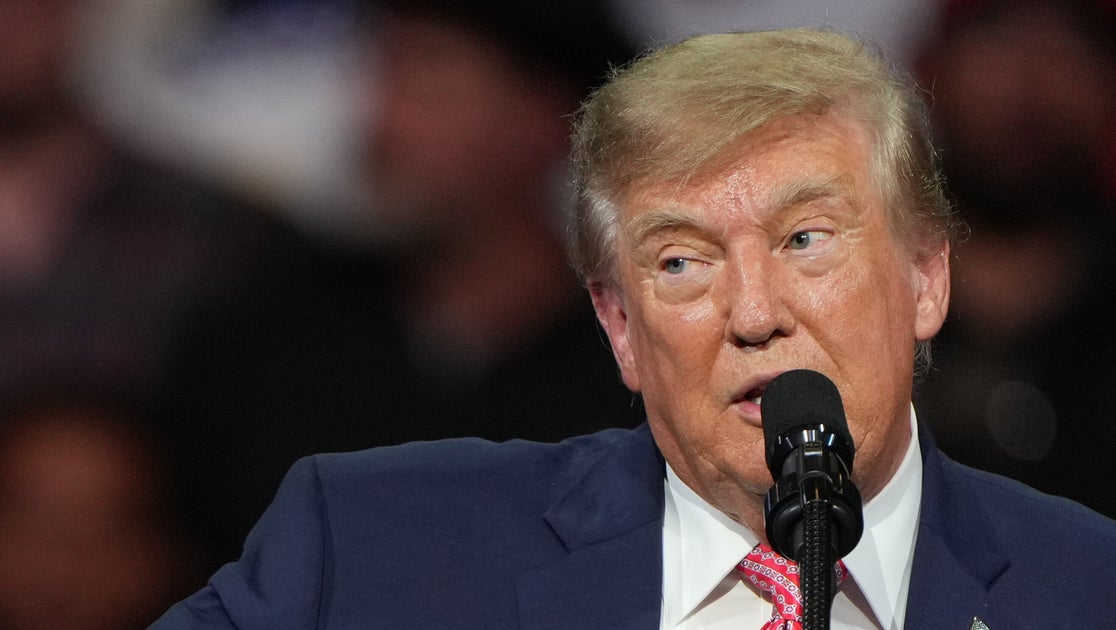
President Trump rallied in deep-red Kansas for GOP Sen. Roger Marshall in a competitive race, announcing an $8 billion farm fuel relief program amid high diesel prices. Democrats see an opening to end 94 years of GOP dominance in the state.

Trump Pauses Russia Sanctions Amid Ukraine Tensions and Missile Strikes
Trump waived sanctions on Russia and floated trilateral talks with Putin and Xi as part of ending the Ukraine war, while tensions rose with Zelenskyy over Starlink and arms. Bipartisan senators engaged Zelenskyy amid the shifts.
The Compass
You just read five takes on one story.
What's your take? Find your political shape in a few minutes.
Take the test