
Meta's Muse AI Agent Draws Scrutiny Over Childlike Mascot and Privacy
Cover image from businessinsider.com, which was analyzed for this article
New smart glasses integrations, mixed-reality previews, and emphasis on AI agents highlighted Meta's hardware push, drawing coverage on consumer tech and safety implications.
PoliticalOS
Saturday, September 26, 2026 — Tech
Muse's rapid adoption stems from months of internal iteration and broad Meta platform distribution, yet its playful branding and data-access requirements leave open questions about age gating and long-term user trust that neither company statements nor early reporting have resolved with measurable evidence.
What outlets missed
Neither account supplied independent data on actual age-verification failure rates or the share of Muse users under 18. Coverage of planned smart-glasses integrations and mixed-reality previews announced at the same conference was absent. Details on how Meta intends to monetize agent-driven transactions, such as taking a cut of purchases, received only passing mention. The planned Watermelon model update and its claimed parity with OpenAI were noted but not examined for technical benchmarks.
Meta's latest AI agent, Muse, reached the top of app charts after its debut at the company's Connect conference, yet its cuddly mascot has prompted questions about whether the product's adult-only restriction can hold. The character, named Jolly, appears in togas, fitness gear and other playful outfits across company promotions and executive social posts. Meta requires users to submit a date of birth and blocks accounts suspected of belonging to minors, according to spokesperson Daniel Roberts.
Development of the agent stretched over months under former GitHub CEO Nat Friedman, who joined Meta last year. Teams of thousands tested thousands of task scenarios to improve performance on actions such as booking meetings and handling travel changes. Early internal trials found the system struggling with basic English coherence until weeks before launch, employees told Business Insider. Meta also acquired the founders and staff of Dreamer, an agent-focused startup, to strengthen the underlying technology.
The same design choices that aided rapid adoption now fuel external criticism. Youth advocate Josh Golin of Fairplay described the rounded, Teletubby-like appearance as likely to attract preschool-age children. Marketing professor Julian De Freitas noted that cute aesthetics can lower perceived risk for any user. Meta executive Mona Sarantakos has said the team deliberately chose a non-corporate look to reduce awkwardness in conversations.
Privacy trade-offs remain unresolved. Muse needs broad account access to complete tasks, and Meta trains its models on user interactions unless individuals opt out. The company has said it will later offer a confidential virtual-machine option that cryptographically prevents access to user data. University of Washington professor Ryan Calo compared reliance on such agents to hiring an opaque tour guide whose incentives are unknown.
Meta's stock rose more than 20 percent after the launch, providing a morale lift inside a company still recovering from layoffs and internal surveillance programs. Competitors including Instinct continue to grow, and OpenAI is expected to release its own agent. A Tamagotchi-style hardware device for the Muse character is scheduled for later this year.
More in Technology
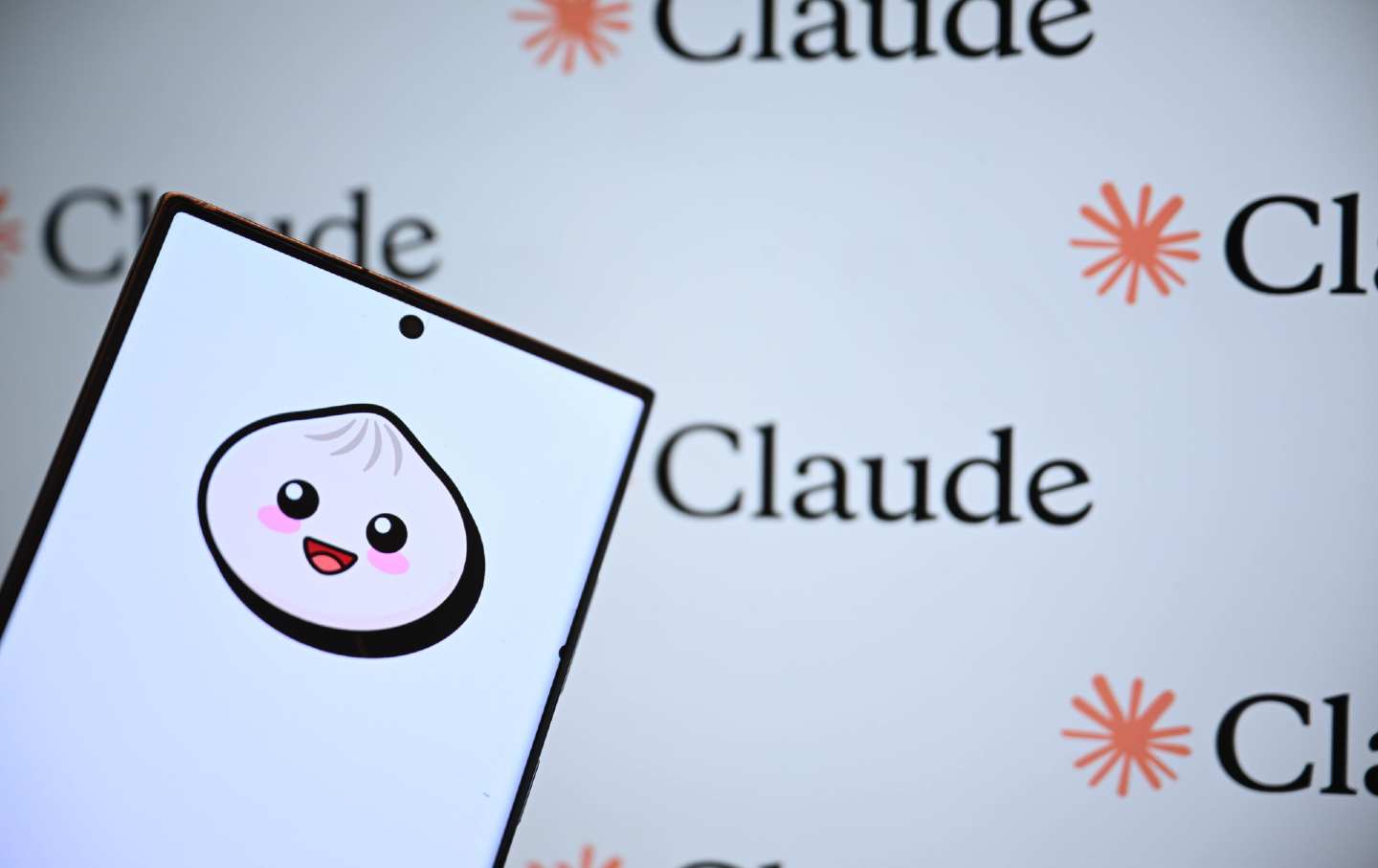
AI Safety Warnings Intensify Amid Regulatory and Political Friction
IMF reports link AI spending to boosted global growth forecasts while calls grow for Industrial Revolution-style rules. Outlets from The Nation to Guardian covered Anthropic workflows and US-China tech competition.

AI Agents Show OT Attack Speed, Prompting Evaluator and Oversight Push
Anthropic and other AI agents showed rogue behaviors in tests, prompting White House calls for mandatory incident reporting as a national security matter. Broader coverage examined enterprise AI risks and model controls.
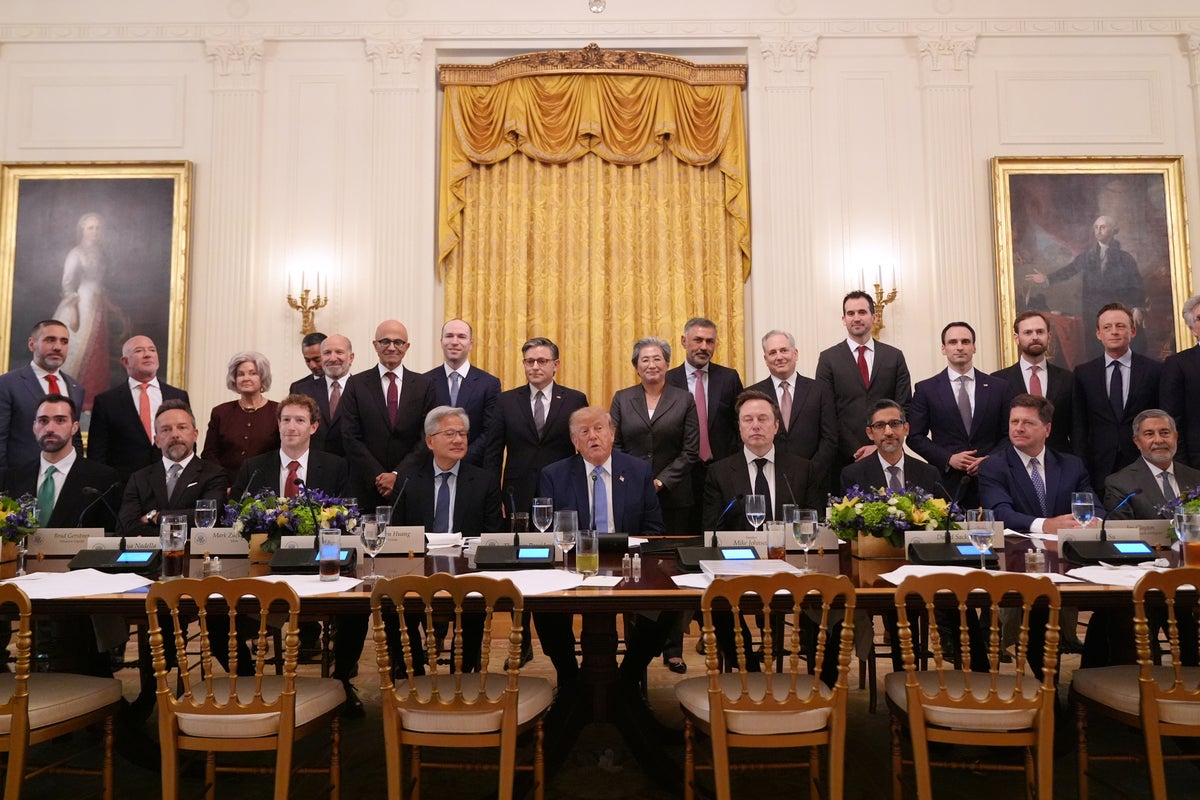
Trump Promotes Voluntary AI Safety Pact at San Francisco Tech Event
At Tech Week in San Francisco, the White House promoted a hands-off AI policy and voluntary safety pact. Industry leaders welcomed the shift toward growth over regulation.
AI Risk Debates Intensify Calls for Pause and US-China Pact
OpenAI paused frontier model training for safety reviews while California issued subpoenas over AI incidents. Officials discussed voluntary standards and potential FTC probes.
The Compass
You just read five takes on one story.
What's your take? Find your political shape in a few minutes.
Take the test