
Meta Settles Teen Lawsuit With App Limits, No Admission
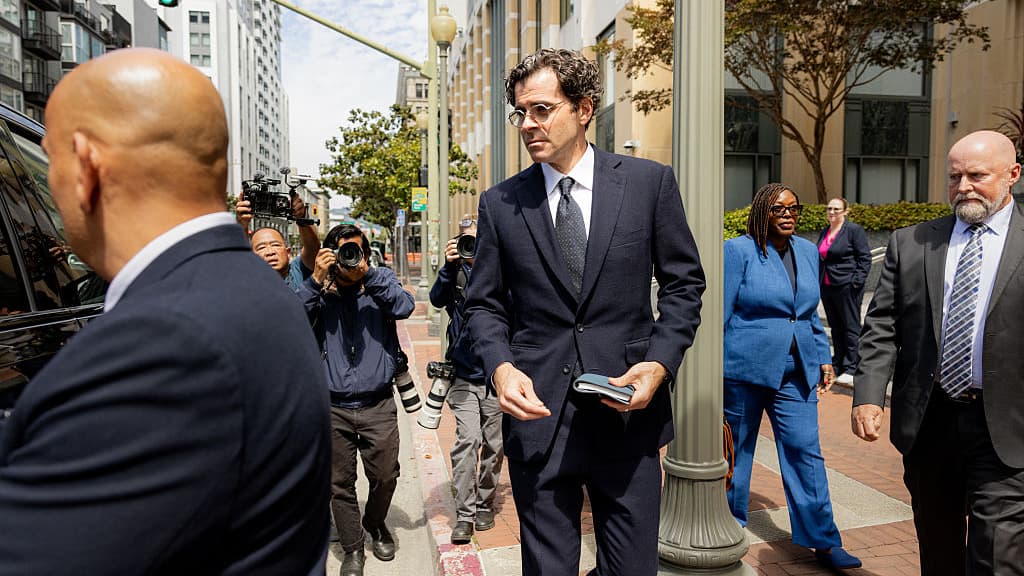
Cover image from time.com, which was analyzed for this article
Meta agreed to a multibillion-dollar settlement with states over child social media harms, including time limits, age verification, and parental controls without admitting wrongdoing. The deal signals potential shifts in Big Tech accountability.
PoliticalOS
Thursday, August 27, 2026 — Tech
The settlement imposes concrete default limits and payments without resolving Meta’s liability or ending parallel lawsuits. Its long-term effect hinges on whether other platforms adopt the same defaults and whether age verification proves enforceable in practice.
What outlets missed
The precise payment split—$12.7 billion fixed versus $5.3 billion conditional on rival compliance—was reported unevenly and never tied to specific state-by-state allocations. Meta’s prior implementation of Teen Accounts and internal usage data on those tools received almost no examination. Ongoing multidistrict litigation involving school districts and families was mentioned only in passing despite its scale. No outlet detailed the independent auditor mechanism or the exact process for modifying defaults once parents intervene.
Parents and state officials have long questioned whether social media platforms deliberately maximize time spent by minors, contributing to documented rises in anxiety and sleep disruption. A settlement reached this week between Meta and attorneys general from dozens of states addresses that concern through mandated design changes rather than a courtroom verdict.
The agreement requires Meta to set default daily usage caps at two hours across Facebook and Instagram for users under 18, with parental override only, and to block access between midnight and 6 a.m. except for direct messages. Push notifications will stop during school hours, and teens will receive reminders after 15 minutes and one hour of continuous use. Enhanced age-assurance tools and expanded parental controls become standard. Meta will pay participating states roughly $12.7 billion over ten years, with an additional $5.3 billion contingent on similar commitments from YouTube and TikTok. The company denies any violation of consumer-protection laws or the Children’s Online Privacy Protection Act and does not admit liability.
California Attorney General Rob Bonta described the terms as a floor, not a ceiling. Florida Attorney General James Uthmeier called the payment modest relative to Meta’s revenue and said his state will continue separate litigation. School districts and families pursuing parallel claims in multidistrict proceedings stated they will press forward. Meta’s chief legal officer urged other platforms to adopt the same framework, noting teens use multiple apps.
The changes shift many safety features from opt-in to default, addressing earlier criticism that voluntary tools saw low adoption. Independent research on comparable limits has shown mixed reductions in usage. Meta previously highlighted its Teen Accounts and existing controls; those arguments received limited airing once settlement talks concluded. The federal court in Oakland approved the consent judgment during the second week of what had been scheduled as a longer trial.
Remaining questions include how effectively Meta will verify ages when users can create adult accounts and whether competitors will match the conditional payment structure. Thousands of individual and school-district cases continue against Meta and other platforms, unaffected by this resolution.
More in Technology
Ukraine Says Starlink Drone Speeds Restored After Throttling
Ukraine's defense ministry and officials report that Starlink/Starshield speed limits have been eased after earlier throttling affected drone operations. The changes follow reported communications involving the Trump administration and Elon Musk.
Trump Pushes Community Dividends to Ease Data Center Backlash
Trump suggested tech companies pay local communities a 'dividend' to gain support for massive AI data centers amid growing backlash over energy use and infrastructure.
Musk Pledges One SpaceX Share to Every U.S. Child
Musk announced plans to distribute one SpaceX share to each of roughly 73 million American children next year, drawing praise from Trump and signaling closer alignment between the two.

Trump Administration Bans DeepSeek AI From Federal Civilian Agencies
Tech stocks rebounded on AI optimism while hyperscalers and firms navigate data center infrastructure, earnings focus, and regulatory scrutiny including bans on certain Chinese AI tools.
The Compass
You just read five takes on one story.
What's your take? Find your political shape in a few minutes.
Take the test