
Michigan Senate primary tests Democratic divide on electability
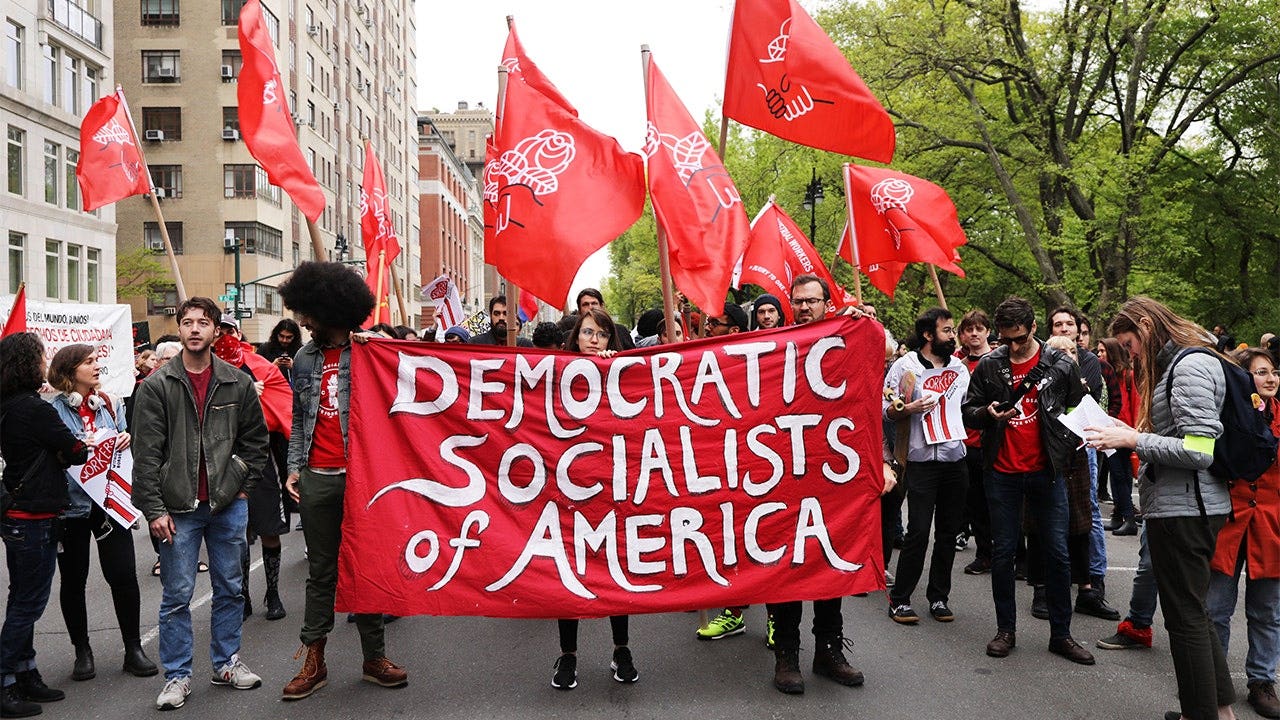
Cover image from foxnews.com, which was analyzed for this article
The Michigan Democratic Senate primary highlights divisions within the party between establishment and progressive candidates. Reports note the contest as a key test ahead of broader midterm dynamics.
PoliticalOS
Sunday, August 2, 2026 — Politics
The Michigan primary centers on whether a progressive challenger backed by younger voters and outside enthusiasm can defeat an establishment candidate with institutional support and a record of winning swing districts. The outcome will signal how Democrats weigh policy ambition against perceived general-election viability in a state Trump carried in 2024.
What outlets missed
Townhall omitted any polling data or voter interviews that could be checked against public records. Fox News did not report the Emerson survey’s age and independent breakdowns or the $40 million-plus outside spending total. The Guardian alone included El-Sayed’s clarification that his “ogre on a pike” remark referred to Fetterman rather than Stevens, a detail that reframes one line of attack.
Michigan voters face a choice Tuesday that could reshape the Senate map and test whether progressive policies can prevail in a state that backed Donald Trump in 2024. The Democratic primary pits U.S. Rep. Haley Stevens, backed by Senate Minority Leader Chuck Schumer, Gov. Gretchen Whitmer and retiring Sen. Gary Peters, against Abdul El-Sayed, an epidemiologist who favors Medicare for All and has drawn support from Sen. Elizabeth Warren and the Working Families Party.
An Emerson poll of likely Democratic voters released this week showed El-Sayed leading Stevens 54 percent to 39 percent, with a 42-point advantage among those under 50 and a 27-point edge among independents. Voters over 60 favored Stevens by 14 points. The contest narrowed after state Sen. Mallory McMorrow withdrew in early July.
Outside groups have spent more than $40 million, according to AdImpact data cited in campaign reporting, with much of the money attacking El-Sayed. Stevens holds an A rating from End Citizens United and says most of her contributions come from small donors. El-Sayed has made the volume of outside spending a central campaign theme.
Black voters, roughly 20 percent of the Democratic primary electorate, have leaned toward Stevens in available surveys. At events in Detroit churches, Stevens highlighted her work on the auto industry rescue and connections to former President Barack Obama. El-Sayed has pointed to his prior service as Detroit’s health director and county health roles to build ties in those communities.
The race has featured sharp exchanges. Stevens criticized El-Sayed for remarks she said amounted to blaming Jewish Americans for his problems after he attacked AIPAC. El-Sayed later clarified a separate comment comparing a potential primary challenge to Sen. John Fetterman with putting “an ogre on a pike.” Stevens said she appreciated the clarification that the remark was not aimed at her.
Stevens has stressed her record of winning a Republican-leaning House district four times and argued that Republicans themselves view El-Sayed as the weaker general-election opponent. El-Sayed contends that only candidates willing to challenge the system can deliver major policy changes such as universal health care. Both candidates were born in Rochester Hills.
More in Politics

Federal Agents Search Omar Home in Ongoing Immigration Probe
Homeland Security agents searched the Minnesota Democrat's DC residence in a criminal probe, prompting accusations of political intimidation from Omar and Democratic leaders. Coverage spans left-leaning outlets like NPR, BBC, and The Guardian alongside right-leaning criticism from The Federalist and Daily Wire.

Trump Diesel Import Plan Draws Pushback Over Russia Ties
The weekend agreement drew bipartisan congressional pushback and criticism from Ukraine's Zelenskyy, with analysts downplaying US fuel price impacts. Right-leaning outlets like National Review, Dispatch, and Washington Examiner questioned its legality and effectiveness.

Independents Test Voter Appetite for Middle Ground in 2026 Midterms
Nearly 200 independents are running in competitive races as voters weigh ballot measures on housing costs in states like Massachusetts. Left-leaning coverage from NYT, NPR, and Guardian highlights turnout and key races while right outlets focus on GOP strategy.
Trump Rallies in Alaska, Ohio to Bolster GOP Senate Candidates
The president rallied in Wasilla for Sen. Dan Sullivan and faced empty seats at an Ohio event amid midterm concerns. Outlets across the spectrum covered the trips as signals of GOP vulnerability weeks before Election Day.
The Compass
You just read five takes on one story.
What's your take? Find your political shape in a few minutes.
Take the test