
Fragile Trump-Brokered Lebanon Ceasefire Holds as Iran Pressure Mounts

Cover image from aljazeera.com, which was analyzed for this article
Israel and Lebanon initiated a fragile 10-day truce brokered by Trump, enabling Lebanese returns to southern homes despite violation claims, as a step toward wider peace. Simultaneously, US naval blockade pressures Iran toward ceasefire negotiations, with Trump optimistic on a deal and warning of strikes if talks fail. Coverage contrasts de-escalation hopes with ongoing risks across political spectrum.
PoliticalOS
Friday, April 17, 2026 — Politics
A 10-day Israel-Lebanon ceasefire brokered by Trump has allowed displaced civilians to begin returning south, yet both sides have already reported violations and Hezbollah has conditioned its restraint on Israeli behavior. The pause is framed by Washington as removing an obstacle to nuclear talks with Iran, where a U.S. port blockade is exerting daily economic pressure estimated at hundreds of millions in lost oil revenue. The single most important reality is that core disputes over Iran's uranium stockpile, enrichment rights and verification remain unresolved, making the current de-escalation precarious and dependent on rapid, verifiable diplomatic follow-through.
What outlets missed
Most coverage underplayed the precise mechanics of the U.S. naval operation after Gen. Dan Caine clarified it applied only to Iranian ports rather than a full Strait of Hormuz closure; this distinction appeared in Al Jazeera and Reuters but was omitted or softened elsewhere, leaving readers with an inflated sense of scope. Iran's explicit same-day rejection of Trump's uranium handover claim, reported by Firstpost and referenced indirectly in UPI, received limited follow-through and was often reduced to 'no immediate confirmation.' Pre-truce Hezbollah rocket fire injuring Israelis on April 16 was detailed by the Times of Israel but not corroborated across the provided sample and therefore remains unverified by multiple independent sources. Finally, the 2026 conflict's origin point—Hezbollah's March 2 rocket barrage cited in Wikipedia compilations drawing from multiple wires—was downplayed in favor of focusing on Israeli actions, though the sequence itself has not been uniformly disputed.
Trump Brokers Fragile Lebanon Ceasefire as Iran Blockade Forces Nuclear Concessions
President Donald Trump announced Thursday that Israel and Lebanon have agreed to a 10-day ceasefire, the result of direct conversations he described as “excellent” with Israeli Prime Minister Benjamin Netanyahu and Lebanese President Joseph Aoun. The truce took effect at midnight local time, halting more than a month of Israeli airstrikes aimed at destroying the military capabilities of the Iranian-backed Hezbollah militia.
Netanyahu welcomed the pause as a chance for a “historic peace agreement” but repeated that Hezbollah’s disarmament remains a non-negotiable condition for any lasting settlement. The Israeli campaign had targeted an organization that has operated as a de facto army within Lebanon, launching rockets into Israeli communities and entrenching itself among civilian populations. Trump indicated the Lebanon agreement is intended to create momentum toward a parallel understanding between the United States and Iran.
That larger effort appears to have gained traction after the U.S. imposed a naval blockade on Iranian ports in the Strait of Hormuz. Trump told reporters the blockade has proven “more powerful than bombs,” a view he repeated after weeks of American strikes that degraded Iran’s navy, air force, missile stocks, and air defenses. The president said Iran has agreed to surrender approximately 440 kilograms of highly enriched uranium previously buried underground following last year’s U.S. bombing raids. He described the regime’s shift as “very powerful” and suggested a broader deal could be reached quickly if Iranian negotiators return to the table.
The economic pressure on Tehran is substantial. Before the conflict, the Strait of Hormuz carried roughly one-fifth of global seaborne oil. Iran had turned the waterway into a choke point, attacking vessels, laying mines, and charging exorbitant tolls on remaining traffic. The U.S. counter-blockade is estimated to cost the Iranian economy roughly $435 million per day at a time when the country already suffers hyperinflation above 50 percent and a collapsing currency. These figures illustrate a basic reality: regimes that depend on oil revenue respond more readily to severed income streams than to diplomatic appeals alone.
On the ground in southern Lebanon, the ceasefire brought an immediate but cautious movement of displaced civilians. Tens of thousands headed back to villages devastated by the fighting, many determined to reclaim land despite warnings from the Lebanese army about ongoing risks. Intermittent shelling was reported after the truce began, and Lebanon’s National News Agency said unexploded ordnance killed a boy in Majdal Selem. Rescue teams continued recovering bodies in Tyre. Hezbollah issued a statement declaring it had its “finger on the trigger” should Israel violate the agreement, a reminder that the militia retains influence even after sustaining heavy losses.
French President Emmanuel Macron cautioned that military operations appeared to continue even after the announced start of the truce, underscoring the fragility of the arrangement. Lebanese officials urged residents to delay returns until the situation stabilized. Yet the speed with which people streamed south suggests a deep attachment to home and a weariness with prolonged displacement caused by Hezbollah’s provocations and the resulting war.
The developments reflect a consistent pattern. For years, Iran funneled resources to proxy forces across the region while advancing its nuclear program. Previous American strategies that emphasized patience and multilateral talks produced neither disarmament nor moderation. The current combination of targeted military action and sustained economic isolation has altered the incentive structure for Tehran. By denying the regime its primary source of hard currency, the blockade has made continued defiance more expensive than negotiation.
Trump said the war “is going along swimmingly” and should conclude soon. He plans to resume direct talks with Iran as early as this weekend. Whether the 10-day window in Lebanon expands into a durable ceasefire and whether Iran’s promises on uranium translate into verifiable dismantlement will depend on enforcement mechanisms that have eluded diplomats for decades. What is clear is that decisive leverage, rather than aspirational diplomacy, has produced the first tangible movements toward de-escalation in both theaters.
The coming days will test whether these tactical gains can be converted into strategic ones. Netanyahu’s insistence on Hezbollah’s disarmament aligns with long-standing Israeli security requirements after years of living under the threat of a heavily armed Iranian proxy on its border. For its part, Iran’s willingness to discuss handing back enriched uranium suggests the cumulative weight of lost oil revenue and military degradation has forced a recalibration in Tehran. If sustained, these pressures may achieve what sanctions and speeches alone never could.
You just read Conservative's take. Want to read what actually happened?
More in Politics

Trump Defends Ramaswamy Ad Using Estranged Mother in Ohio Race
President Trump defended a GOP nominee's ad featuring a Democratic opponent's estranged mother, calling it powerful, while drawing criticism from some Republicans including Ohio Gov. Mike DeWine. The ad has sparked internal GOP tensions ahead of midterms.
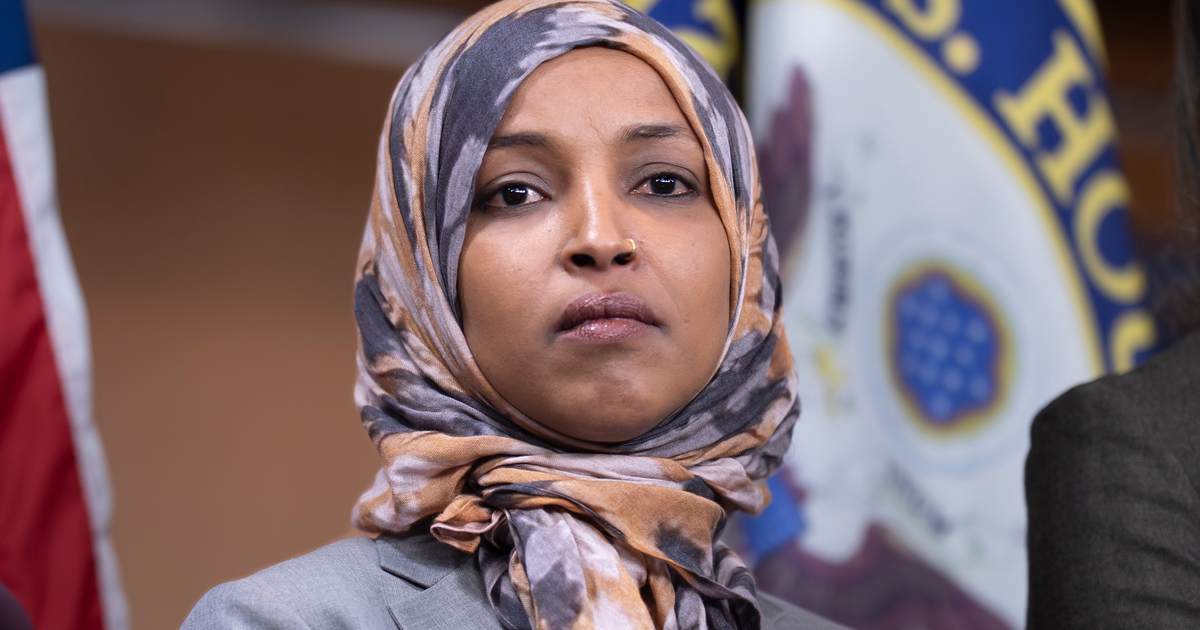
Federal Raid Targets Omar Amid Unresolved Name and Marriage Allegations
Agents searched Rep. Ilhan Omar's DC residence over immigration fraud allegations; she called it bizarre. Reports and commentary questioned her birth name and past marriage details.

Supreme Court Upholds New Hampshire Student ID Voting Ban
The Supreme Court upheld New Hampshire's ban on student IDs as valid voter identification just before midterms, affecting a tight Senate race.
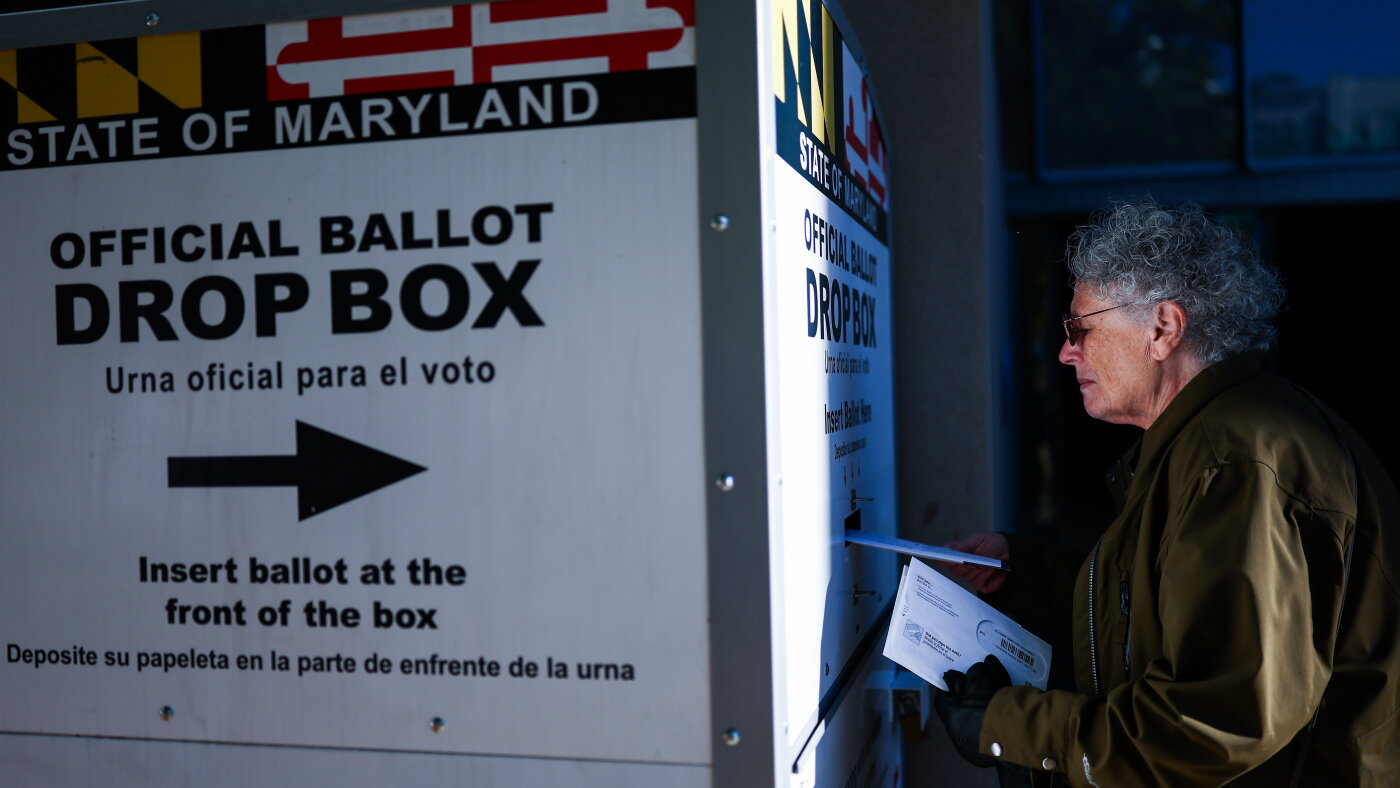
Early Voting Hits 21 Million as Most Trust Midterm Accuracy
Millions have already voted early as parties make final appeals amid $1.4 billion in ad spending; polls show confidence in election accuracy.
The Compass
You just read five takes on one story.
What's your take? Find your political shape in a few minutes.
Take the test