
Democrats Lead Early in 2026 Midterms as GOP Eyes Redistricting Path

Cover image from washingtonexaminer.com, which was analyzed for this article
Democrats hold an early lead in midterm voting, but Republicans see a viable path through the map amid key ballot showdowns. California voting strategies highlight the timing sweet spot.
PoliticalOS
Sunday, May 3, 2026 — Politics
Democrats enter the 2026 cycle with clear momentum and strong forecast odds of retaking the House amid low presidential approval and economic concerns, yet Republicans retain a plausible Senate defense and redistricting opportunities that could limit losses. California voters should weigh waiting for more information against mailing deadlines to ensure their ballots count. The single most important reality is that late map changes and turnout in key states will ultimately decide whether structural edges can overcome the prevailing national environment.
What outlets missed
The Washington Examiner incorrectly attributed Louisiana’s primary suspension solely to Gov. Jeff Landry and mixed details on Michigan House and Senate candidates, while presenting unverified projections of four GOP seats from Florida redistricting and an Alabama redraw with no corroboration from the LA Times or independent trackers. The LA Times offered no connection between California’s primary timing advice and the national redistricting scramble that could directly affect the state’s congressional delegation. Both outlets underplayed the full scope of prediction market data showing consistent 82-85 percent odds for a Democratic House flip and omitted deeper context from groups like Americans for Prosperity Action on the Senate majority’s vulnerability. Later impacts from the Supreme Court Voting Rights Act ruling, including precise effects on majority-minority districts in multiple states, received only partial treatment without cross-referencing neutral trackers like Ballotpedia or Cook Political Report.
California Ballots Hit Homes as Republicans Spot Opening in 2026 Midterm Map
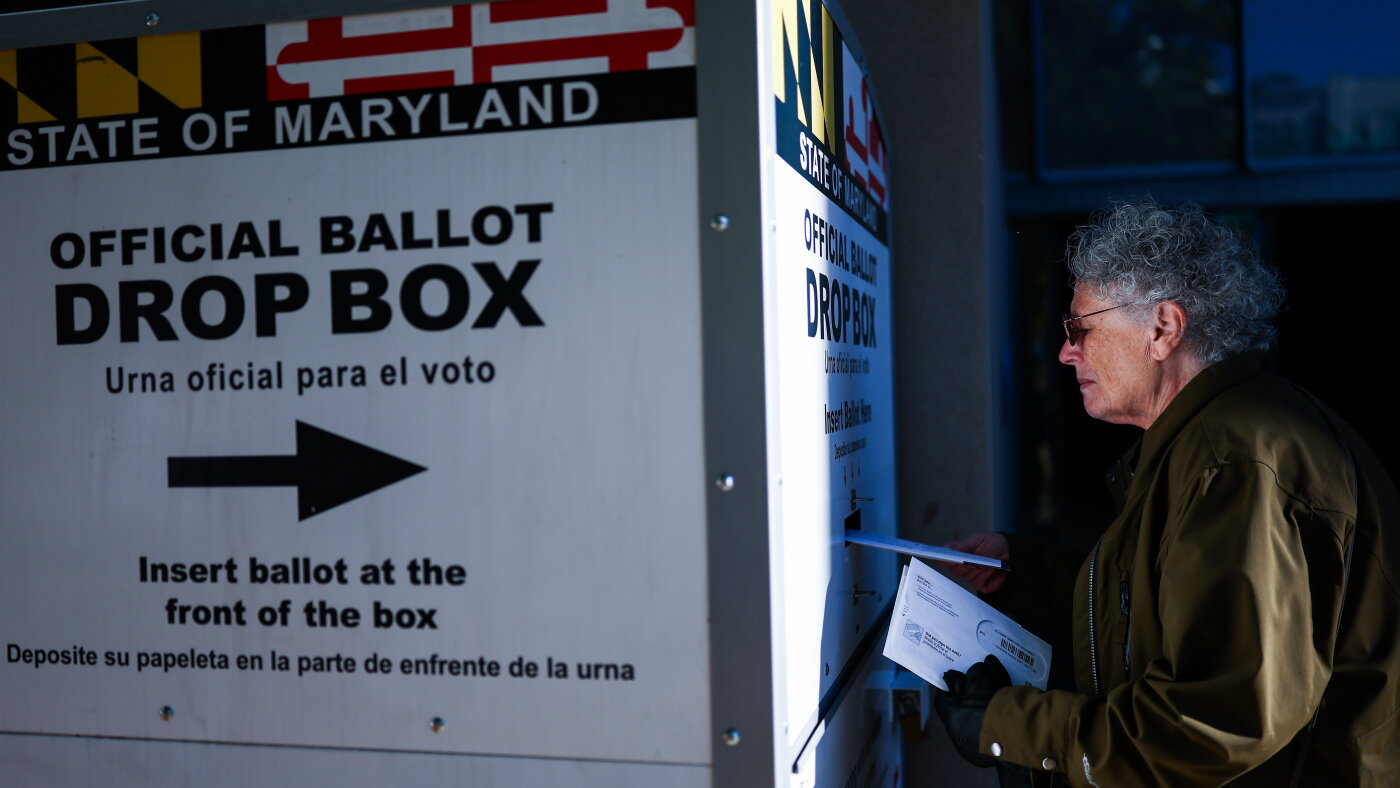
As mailboxes across California fill with primary ballots this week more than 23 million of them sent automatically to every active voter the first major test of the 2026 election cycle is underway. The June 2 vote will settle not only the contest to replace Gov. Gavin Newsom but also seven other statewide offices dozens of congressional and legislative seats and the race for Los Angeles mayor. For voters the arrival of those ballots forces an immediate question: vote now or wait.
Republican Chad Bianco the Riverside County sheriff campaigning on tougher crime policies and border security presents a clear choice for conservatives. So does Democrat Katie Porter the former congresswoman whose whiteboard lectures made her a favorite of the national left. If those candidates or any others on the long ballot represent exactly what a voter wants the advice from both parties is simple. Mail it back immediately. No postage required.
Paul Maslin a longtime Democratic strategist who watched his own candidate Betty Yee exit the governor’s race late last month put it bluntly. If you know what you want to do vote. There are no do-overs in California. Once a ballot is cast it cannot be changed no matter what new information surfaces or which candidates drop out before election day. That finality has led some voters to consider holding their ballots until closer to the deadline especially those worried about late scandals or sudden candidate withdrawals.
Republican strategist Rob Stutzman who has advised campaigns in the state for decades has cautioned against rushing in when the field remains fluid. With weeks still left before the primary and the possibility of further surprises early voters risk locking themselves into choices they might later regret. The state’s all-mail system which expanded dramatically during the 2020 pandemic has made this decision more consequential than in the past. Ballots can be returned by mail or dropped at secure boxes but once processed they are final.
California’s primary is only the opening act. Across the country the battle for Congress is already taking shape and the early indicators favor Democrats. The party enjoys a favorable national environment superior fundraising and a string of successful candidate recruitments. Prediction markets currently give Democrats the edge in the fight for both chambers.
Yet Republicans believe they see a narrower but viable path. Party leaders point to structural advantages in the Senate map where more Democratic seats are up for defense. They also see opportunity in the House where legal and procedural fights over congressional boundaries could still reshape dozens of districts before November.
The most significant development came Wednesday when the Supreme Court issued a ruling that softened the Voting Rights Act’s requirements for creating majority-minority districts. Republicans moved quickly to capitalize. In Louisiana Gov. Jeff Landry suspended the state’s May 16 congressional primary so lawmakers can redraw the map. Alabama is exploring similar changes. Both states currently send two Democrats to the House and GOP officials believe new lines could flip one or both seats.
The decision builds on an earlier successful round of mid-decade redistricting efforts by Republicans that already strengthened their position in several states. Democrats have cried foul calling the moves partisan power grabs. Republicans counter that the old maps locked in racial gerrymanders that protected one party at the expense of competitive elections and fair representation.
The redistricting wildcard arrives at a moment when many voters feel the country is moving in the wrong direction on issues from inflation to border security to crime. California’s own contests reflect that tension. Sheriff Bianco has made law enforcement and skepticism of progressive criminal justice policies central to his campaign. Porter and other Democrats have leaned into wealth taxes government expansion and climate activism.
How Californians fill out these ballots will send an early signal about turnout and intensity heading into the fall. Strategists on both sides say the mail ballots that arrive first often come from the most motivated voters. In a year when control of Congress could hinge on a handful of districts that motivation may prove decisive.
For now the choice rests with millions of Californians whose ballots sit on kitchen tables. Return them too soon and risk buyer’s remorse. Wait too long and risk missing the deadline. In a political system that increasingly mails every voter a ballot and then treats that vote as irrevocable the pressure to get it right the first time has never been higher. Republicans are betting that when voters do weigh in the map still offers them a fighting chance to hold or regain power in Washington.
You just read America First's take. Want to read what actually happened?
More in Politics

Trump Defends Ramaswamy Ad Using Estranged Mother in Ohio Race
President Trump defended a GOP nominee's ad featuring a Democratic opponent's estranged mother, calling it powerful, while drawing criticism from some Republicans including Ohio Gov. Mike DeWine. The ad has sparked internal GOP tensions ahead of midterms.

Federal Raid Targets Omar Amid Unresolved Name and Marriage Allegations
Agents searched Rep. Ilhan Omar's DC residence over immigration fraud allegations; she called it bizarre. Reports and commentary questioned her birth name and past marriage details.

Supreme Court Upholds New Hampshire Student ID Voting Ban
The Supreme Court upheld New Hampshire's ban on student IDs as valid voter identification just before midterms, affecting a tight Senate race.
Early Voting Hits 21 Million as Most Trust Midterm Accuracy
Millions have already voted early as parties make final appeals amid $1.4 billion in ad spending; polls show confidence in election accuracy.
The Compass
You just read five takes on one story.
What's your take? Find your political shape in a few minutes.
Take the test