
Midwest Primaries Test Progressive Candidates in Battlegrounds
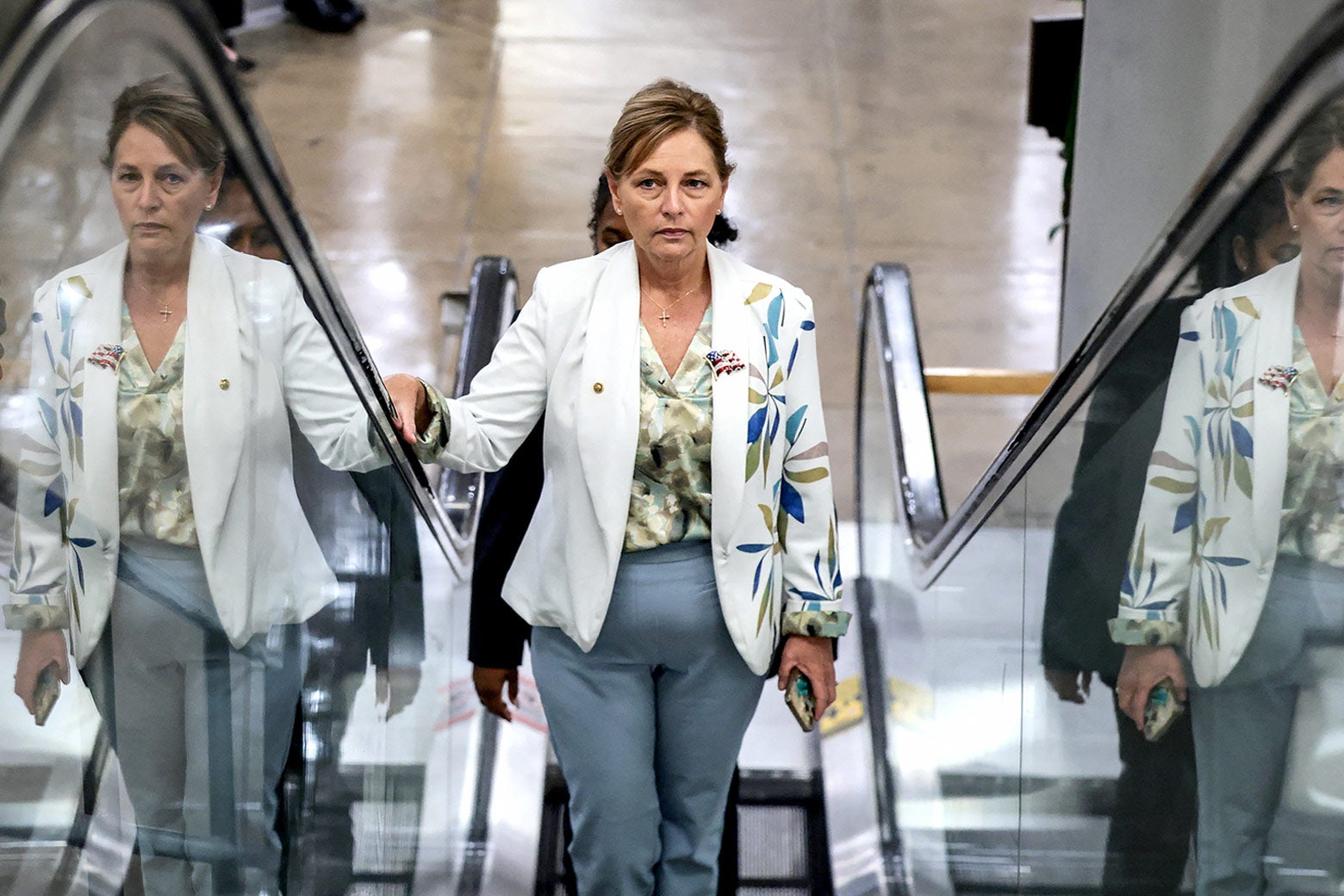
Cover image from slate.com, which was analyzed for this article
Voters in Wisconsin, Minnesota, and other states decide key Democratic and Republican primaries, with democratic socialist Francesca Hong favored in Wisconsin's governor race and tests of progressive vs. establishment strength.
PoliticalOS
Tuesday, August 11, 2026 — Politics
Tuesday's results in Wisconsin and Minnesota will show whether Democratic primary voters in competitive states favor progressive platforms or candidates viewed as stronger in general elections. The outcomes arrive one week after a similar contest in Michigan and will shape expectations for November matchups against Republican nominees already positioned in both states.
What outlets missed
Most previews omitted Hong's three terms in the Wisconsin State Assembly and her explicit statements distancing herself from the national DSA platform on issues such as borders and prisons. Coverage rarely included detailed cash-on-hand figures or the specific policy contrasts on minimum wage and data-center construction that Hong has emphasized. Little attention was given to the procedural timeline in South Carolina, where the winner must still face Democrat Annie Andrews in November regardless of the runoff outcome.
Voters in Wisconsin and Minnesota head to the polls Tuesday to choose Democratic nominees in races that highlight competing views on the party's direction ahead of the 2026 midterms. In Wisconsin, state Rep. Francesca Hong leads polls for the open governor's seat after Gov. Tony Evers endorsed Milwaukee County Executive David Crowley following a series of candidate withdrawals. Hong, a member of the Democratic Socialists of America, has raised her profile with early organizing and door-knocking efforts that reached more than 120,000 households, according to her campaign. Crowley reentered the race in July and has focused on his experience in county government.
Next door in Minnesota, Lt. Gov. Peggy Flanagan faces Rep. Angie Craig in the Democratic primary for the Senate seat being vacated by Tina Smith. Flanagan holds endorsements from Sanders, Warren and Smith, while Craig has support from House Democratic leaders including Hakeem Jeffries and Nancy Pelosi. Recent SurveyUSA polling showed Craig narrowly ahead with nearly one-fifth of voters undecided. The winner will likely face former sports broadcaster Michele Tafoya in November in a state that has not elected a Republican to statewide office since 2006.
These contests follow Abdul El-Sayed's narrow victory over Rep. Haley Stevens in Michigan's Senate primary the previous week. Wisconsin and Minnesota are viewed as more competitive than Michigan, raising questions about whether progressive momentum translates to swing-state general elections. The Republican nominee in Wisconsin is expected to be Rep. Tom Tiffany, who is unopposed. In Minnesota, the GOP Senate field includes Tafoya as the frontrunner.
Additional primaries Tuesday include a 10-candidate Republican contest in South Carolina to replace the late Sen. Lindsey Graham, with his sister Darline Graham among the contenders and a possible runoff set for Aug. 25. Connecticut Democrats will decide whether to renominate Rep. John B. Larson or replace him with former Hartford mayor Luke Bronin. Alabama holds special primaries in four congressional districts under a court-approved map.
Fundraising and endorsements vary sharply across the races. Hong has spent heavily on early digital and field operations while holding roughly $406,000 in cash on hand compared with Crowley's $463,000. In the Minnesota Senate race, outside spending has been limited relative to Michigan. Democratic strategists have expressed concern that a Hong nomination could affect down-ballot races and donor interest in the state.
More in Politics

Federal Agents Search Omar Home in Ongoing Immigration Probe
Homeland Security agents searched the Minnesota Democrat's DC residence in a criminal probe, prompting accusations of political intimidation from Omar and Democratic leaders. Coverage spans left-leaning outlets like NPR, BBC, and The Guardian alongside right-leaning criticism from The Federalist and Daily Wire.

Trump Diesel Import Plan Draws Pushback Over Russia Ties
The weekend agreement drew bipartisan congressional pushback and criticism from Ukraine's Zelenskyy, with analysts downplaying US fuel price impacts. Right-leaning outlets like National Review, Dispatch, and Washington Examiner questioned its legality and effectiveness.

Independents Test Voter Appetite for Middle Ground in 2026 Midterms
Nearly 200 independents are running in competitive races as voters weigh ballot measures on housing costs in states like Massachusetts. Left-leaning coverage from NYT, NPR, and Guardian highlights turnout and key races while right outlets focus on GOP strategy.
Trump Rallies in Alaska, Ohio to Bolster GOP Senate Candidates
The president rallied in Wasilla for Sen. Dan Sullivan and faced empty seats at an Ohio event amid midterm concerns. Outlets across the spectrum covered the trips as signals of GOP vulnerability weeks before Election Day.
The Compass
You just read five takes on one story.
What's your take? Find your political shape in a few minutes.
Take the test