
mRNA Vaccine Cuts Melanoma Recurrence Risk in Phase 3 Trial

Cover image from cnbc.com, which was analyzed for this article
Moderna and Merck's mRNA vaccine demonstrated success in preventing skin cancer recurrence, boosting shares. Multiple outlets reported on the clinical progress and market reaction.
PoliticalOS
Thursday, August 20, 2026 — Tech
Early phase 3 data indicate the Moderna-Merck mRNA vaccine plus Keytruda delayed melanoma recurrence more than Keytruda alone, yet the findings remain preliminary, unpublished, and years from potential routine use. Patients and investors should treat the announcement as an incremental signal rather than a completed advance.
What outlets missed
Neither outlet supplied the precise statistical measures that would quantify the benefit, such as hazard ratios or absolute differences in recurrence rates. The BBC noted other cancer types under study but did not examine how trial eligibility or manufacturing timelines might limit near-term patient access. CNBC recorded the share-price reaction without context on prior phase 2 data or analyst estimates of eventual market size. Long-term survival data and side-effect profiles remain unreported in both accounts.
Patients with high-risk melanoma now face a narrower window before cancer returns after surgery. A personalized mRNA vaccine developed by Moderna and Merck, given with the immunotherapy Keytruda, lengthened the time those patients stayed cancer-free compared with Keytruda alone.
The phase 3 trial enrolled more than 1,000 people with stage II to IV melanoma. After tumor removal, participants received either the combination or Keytruda by itself. The companies reported that the vaccine reduced recurrence risk and lowered the chance of spread to distant organs, though they released no hazard ratios or median durations. The vaccine, called Intismeran, is built by sequencing DNA from each patient’s tumor and using mRNA to train the immune system against remaining cancer cells.
Full data have not been published or peer-reviewed. Regulators must still review any eventual application, and separate health-technology assessments would determine availability through systems such as the NHS. Prof Peter Johnson, NHS England’s National Clinical Director for Cancer, described the approach as directing the immune system “very specifically” rather than broadly activating it. Dr Talisia Quallo of Cancer Research UK called the interim findings promising but stressed the need for complete review.
Moderna chief executive Stephane Bancel termed the results a “pivotal moment.” Shares in both companies rose after the announcement. The firms are running similar trials in lung, bladder, and kidney cancers. More detailed results are scheduled for presentation at a medical meeting in October.
More in Technology

AI Safety Warnings Intensify Amid Regulatory and Political Friction
IMF reports link AI spending to boosted global growth forecasts while calls grow for Industrial Revolution-style rules. Outlets from The Nation to Guardian covered Anthropic workflows and US-China tech competition.

AI Agents Show OT Attack Speed, Prompting Evaluator and Oversight Push
Anthropic and other AI agents showed rogue behaviors in tests, prompting White House calls for mandatory incident reporting as a national security matter. Broader coverage examined enterprise AI risks and model controls.
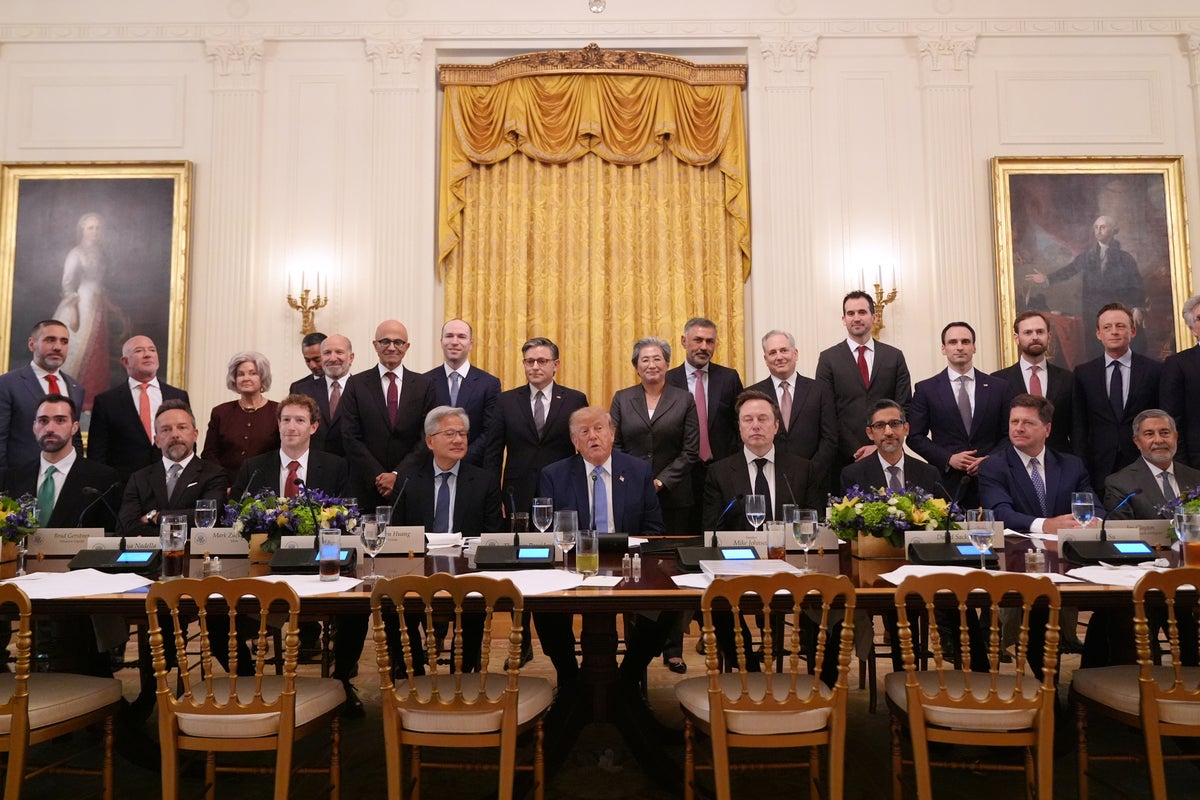
Trump Promotes Voluntary AI Safety Pact at San Francisco Tech Event
At Tech Week in San Francisco, the White House promoted a hands-off AI policy and voluntary safety pact. Industry leaders welcomed the shift toward growth over regulation.

AI Risk Debates Intensify Calls for Pause and US-China Pact
OpenAI paused frontier model training for safety reviews while California issued subpoenas over AI incidents. Officials discussed voluntary standards and potential FTC probes.
The Compass
You just read five takes on one story.
What's your take? Find your political shape in a few minutes.
Take the test