
South Carolina Court Vacates Murdaugh Murder Convictions, Orders Retrial
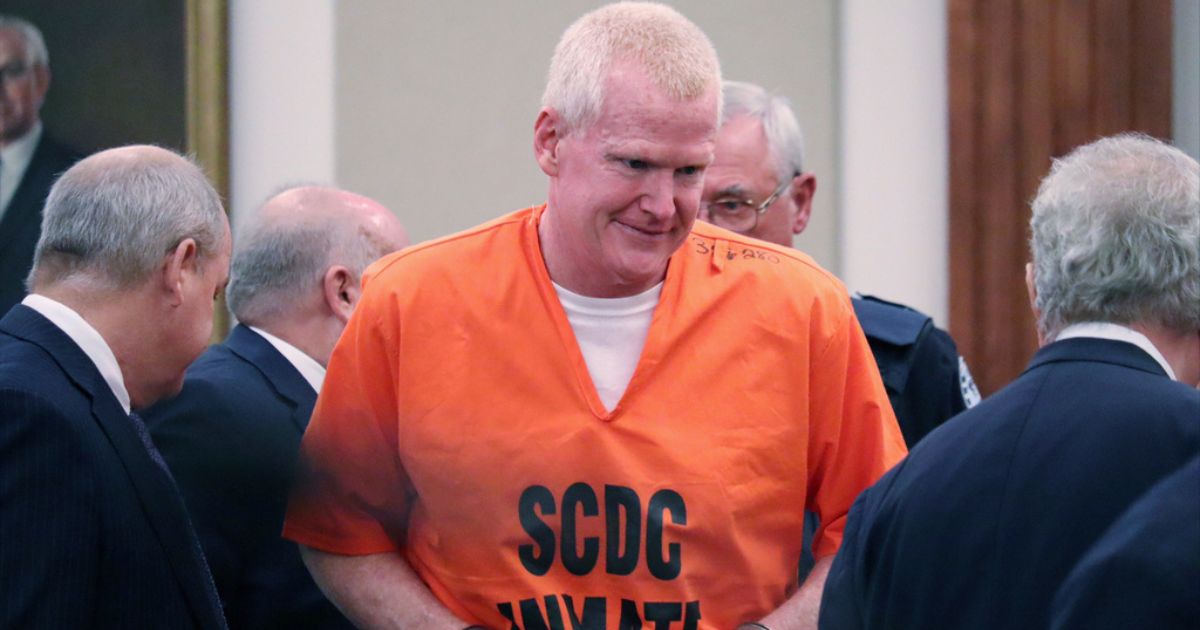
Cover image from westernjournal.com, which was analyzed for this article
The South Carolina Supreme Court vacated Alex Murdaugh's murder convictions due to evidentiary issues, ordering a new trial. Jurors react mixedly to the decision. His lawyers tease alternative theories.
PoliticalOS
Thursday, May 14, 2026 — Politics
The Supreme Court overturned the convictions solely on procedural grounds tied to clerk misconduct, not on the strength of the evidence. Murdaugh will remain in prison and face a new trial whose outcome is uncertain given intense publicity. The case continues to hinge on whether a fresh jury can be seated and whether the same circumstantial evidence will again prove decisive.
What outlets missed
Most reports omitted the specific trial evidence cited by prosecutors, such as the kennel video and gunshot residue findings, which were not uniformly corroborated across coverage. The precise language of the Supreme Court opinion regarding Hill’s comments to jurors appeared in only one outlet. Details on Murdaugh’s concurrent financial-crime sentences and the practical effect of keeping him incarcerated were mentioned inconsistently. Juror reactions beyond the two quoted by NBC were referenced in court filings but received little attention outside one report.
South Carolina High Court Orders New Trial for Alex Murdaugh
The South Carolina Supreme Court unanimously overturned the double murder convictions of Alex Murdaugh on Wednesday, citing interference by the former Colleton County clerk of court that undermined the fairness of the original proceedings. The 5-0 ruling directs a retrial but leaves the disbarred attorney in custody while the case restarts.
The decision centered on actions by former clerk Becky Hill during the 2023 trial. The justices found that Hill improperly influenced jurors by directing them to watch Murdaugh closely on the stand and to disregard certain defense evidence. One juror identified in court records as Juror Z later stated that these comments shaped her view of Murdaugh's testimony and contributed to the guilty verdict. The court described the conduct as an egregious intrusion on the impartiality required in any criminal proceeding.
Murdaugh's lead attorney Jim Griffin told reporters that his client expressed surprise at the outcome after months of skepticism about the appeal's prospects. Griffin noted that Murdaugh had read the opinion and was still absorbing its implications, though he conveyed thanks for the result. The defense team also indicated it holds multiple alternative theories about the 2021 killings of Murdaugh's wife Maggie and son Paul at the family hunting property, theories it intends to develop more fully ahead of the new trial.
Jurors from the original panel offered differing reactions. One described the clerk's alleged conduct as nonexistent and called the reversal decision unexpected. Another acknowledged that the interference had denied Murdaugh a fair hearing. These split accounts underscore the challenge of reconstructing the precise effect of outside pressure on deliberations after the fact.
The original trial had featured extensive testimony about Murdaugh's separate financial misconduct, including the theft of millions from clients and his former law firm. Defense lawyers had argued that the volume of such evidence prejudiced the jury on the murder charges. The Supreme Court focused its reversal primarily on the clerk's conduct rather than that evidentiary issue, though it acknowledged the broader context of the proceedings.
Murdaugh, once a prominent figure in South Carolina's legal community, had maintained his innocence throughout the first trial and subsequent appeals. The high court's intervention restores the presumption of innocence for the retrial while highlighting the institutional mechanisms available to correct documented procedural flaws. The case now returns to the lower court for scheduling, with both sides preparing to revisit the evidence under stricter safeguards against external influence.
You just read Conservative's take. Want to read what actually happened?
More in Politics
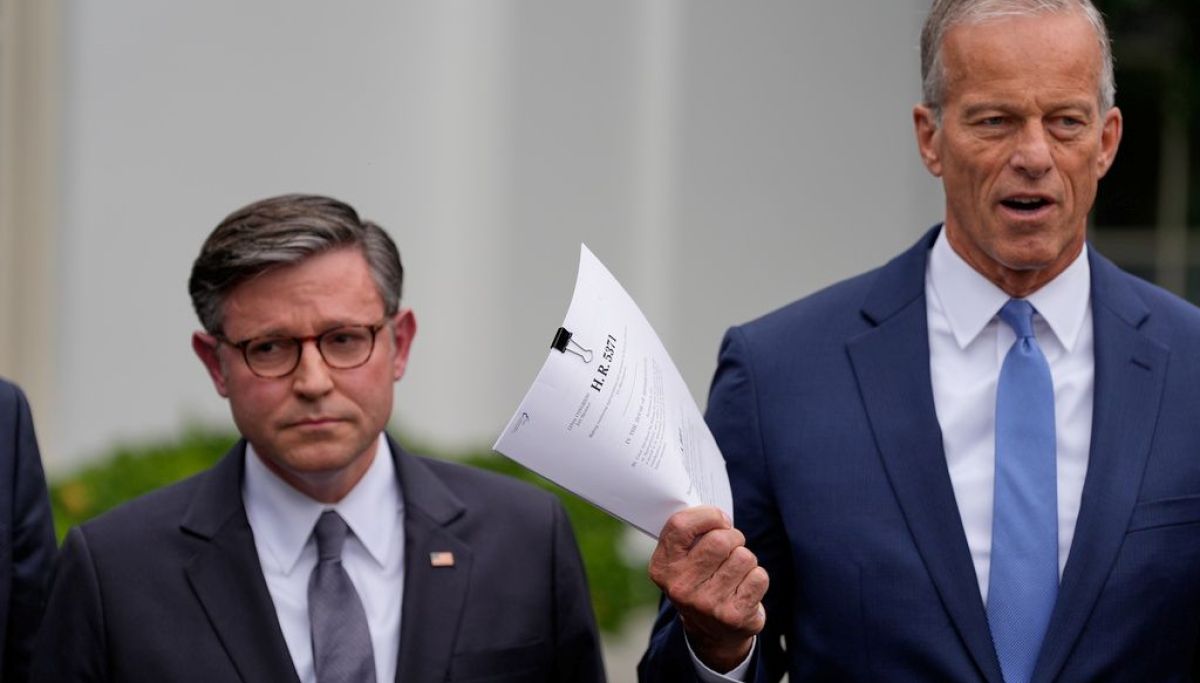
Trump at 32% Approval as Gas Prices Test GOP Midterm Hopes
NYT/Siena polling showed Trump's approval at historic lows around 32 percent with Democrats leading by double digits in key districts. Early voting has surged in battleground states.

Record Early Voting Hits Battlegrounds, Shifting Partisan Shares
AP analysis found hundreds of thousands more early ballots than in 2022 in states including Texas, Ohio, Kansas, Maine, and North Carolina, shifting partisan dynamics.
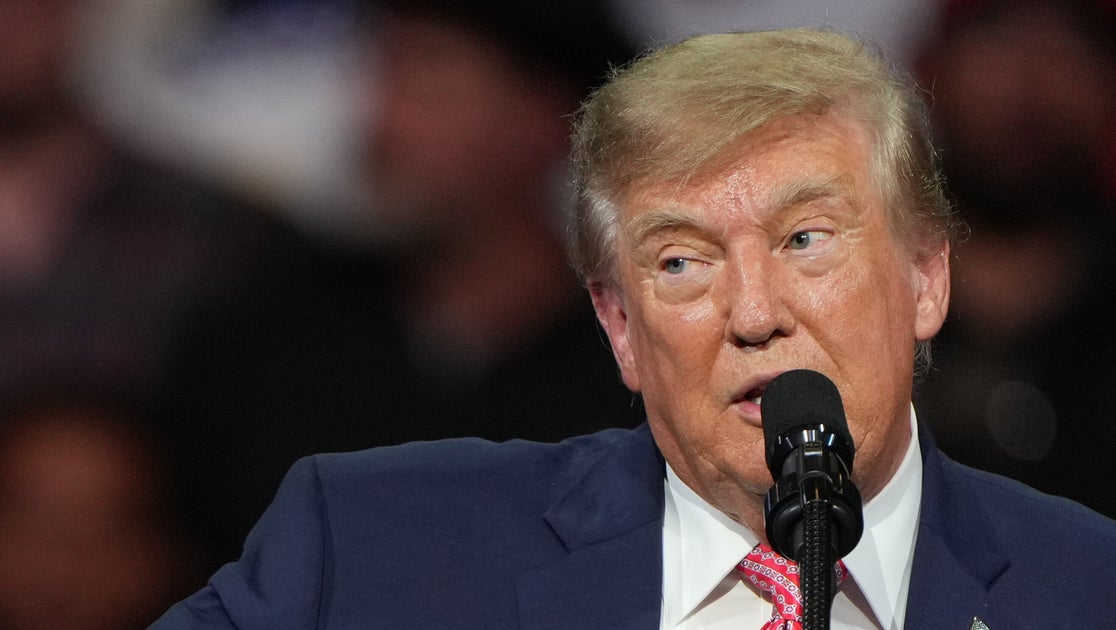
Trump Backs Marshall in Kansas Senate Race Tightened by Farm Costs
President Trump rallied in deep-red Kansas for GOP Sen. Roger Marshall in a competitive race, announcing an $8 billion farm fuel relief program amid high diesel prices. Democrats see an opening to end 94 years of GOP dominance in the state.

Trump Pauses Russia Sanctions Amid Ukraine Tensions and Missile Strikes
Trump waived sanctions on Russia and floated trilateral talks with Putin and Xi as part of ending the Ukraine war, while tensions rose with Zelenskyy over Starlink and arms. Bipartisan senators engaged Zelenskyy amid the shifts.
The Compass
You just read five takes on one story.
What's your take? Find your political shape in a few minutes.
Take the test