
South Carolina Court Vacates Murdaugh Murder Convictions, Orders Retrial
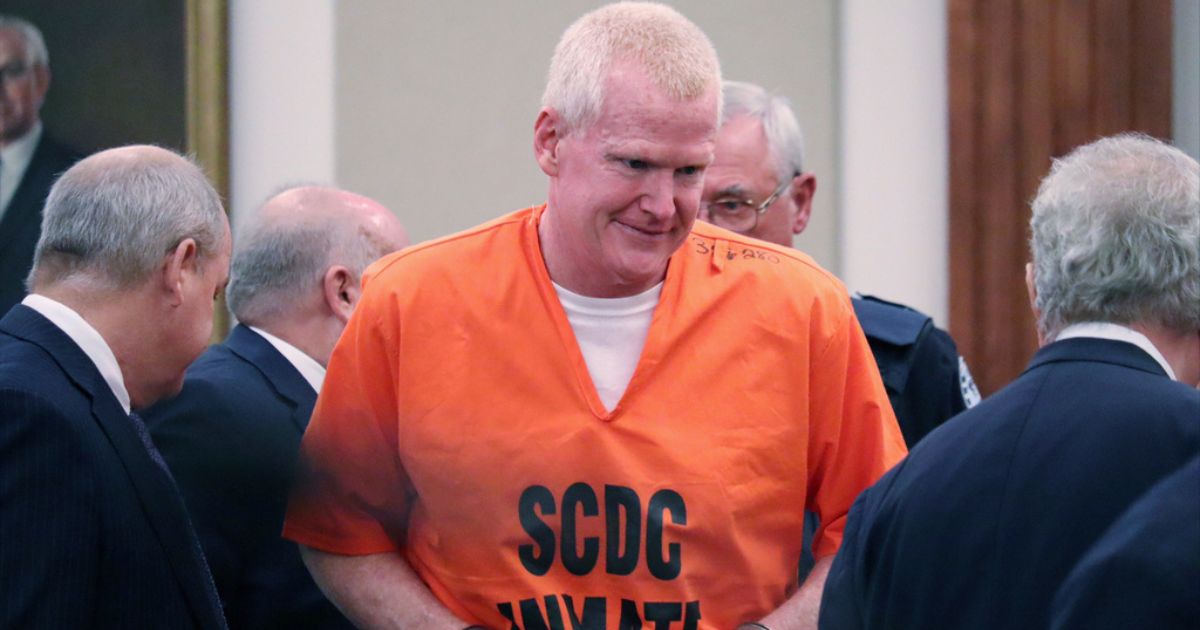
Cover image from westernjournal.com, which was analyzed for this article
The South Carolina Supreme Court vacated Alex Murdaugh's murder convictions due to evidentiary issues, ordering a new trial. Jurors react mixedly to the decision. His lawyers tease alternative theories.
PoliticalOS
Thursday, May 14, 2026 — Politics
The Supreme Court overturned the convictions solely on procedural grounds tied to clerk misconduct, not on the strength of the evidence. Murdaugh will remain in prison and face a new trial whose outcome is uncertain given intense publicity. The case continues to hinge on whether a fresh jury can be seated and whether the same circumstantial evidence will again prove decisive.
What outlets missed
Most reports omitted the specific trial evidence cited by prosecutors, such as the kennel video and gunshot residue findings, which were not uniformly corroborated across coverage. The precise language of the Supreme Court opinion regarding Hill’s comments to jurors appeared in only one outlet. Details on Murdaugh’s concurrent financial-crime sentences and the practical effect of keeping him incarcerated were mentioned inconsistently. Juror reactions beyond the two quoted by NBC were referenced in court filings but received little attention outside one report.
South Carolina Supreme Court Orders New Trial for Alex Murdaugh Over Clerk Interference
The South Carolina Supreme Court on Wednesday unanimously overturned Alex Murdaugh’s convictions for the 2021 murders of his wife and son, ruling that misconduct by the Colleton County clerk of court had undermined the fairness of the original proceeding. The decision sends the case back for retrial and underscores how the actions of a single court official can disrupt the basic mechanics of jury deliberation in a high-profile prosecution.
Murdaugh, a former prominent personal injury lawyer from a well-known South Carolina legal family, was convicted in March 2023 after a six-week trial. Prosecutors presented evidence tying him to the shootings of his wife, Maggie, and their son Paul, at the family’s rural hunting property. He received two consecutive life sentences. The state’s highest court did not assess the underlying evidence of guilt or innocence. Instead, the justices focused on procedural failures that occurred after the jury was seated.
The court found that former clerk Becky Hill had improperly inserted herself into the jury’s consideration of the case. One juror, identified in court filings as Juror Z, reported that Hill advised the panel to watch Murdaugh closely during his testimony and warned against being “fooled” by defense arguments. The justices described these interventions as an “egregious attack” on Murdaugh’s credibility that compromised the jury’s independence. In their opinion, the court acknowledged the resources already spent on the lengthy trial but concluded it had no choice but to order a new one.
Murdaugh’s lead attorney, Jim Griffin, said his client was surprised by the ruling after a series of adverse decisions during the appeal process. Griffin also indicated the defense team continues to develop multiple alternative theories about who might have committed the killings. Two jurors from the original trial offered sharply different reactions. One described the decision to overturn the verdict as “crazy” and said she had never sensed Hill was steering the jury toward a particular outcome. Another said the clerk’s comments had denied Murdaugh a fair hearing and left her with doubts about whether justice had been served.
The case has drawn sustained attention because it combined a sensational double homicide with separate allegations that Murdaugh had stolen millions of dollars from clients and his former law firm. The original trial judge allowed extensive testimony about those financial crimes, a ruling the defense also challenged on appeal. The Supreme Court’s decision, however, rested primarily on the documented jury interference rather than on the admission of financial evidence.
High-profile trials test the resilience of ordinary institutional safeguards. When a clerk of court steps beyond administrative duties and offers substantive commentary to jurors, the boundary between courtroom staff and fact-finder becomes blurred. The justices’ unanimous opinion reflects an institutional judgment that such blurring requires a remedy even when it imposes significant costs on the system. A retrial will again place the same underlying facts before a new jury, this time under procedures designed to keep court personnel at a clearer remove from deliberations. The coming proceedings will show whether those adjustments can restore public confidence in the outcome.
You just read Liberal's take. Want to read what actually happened?
More in Politics
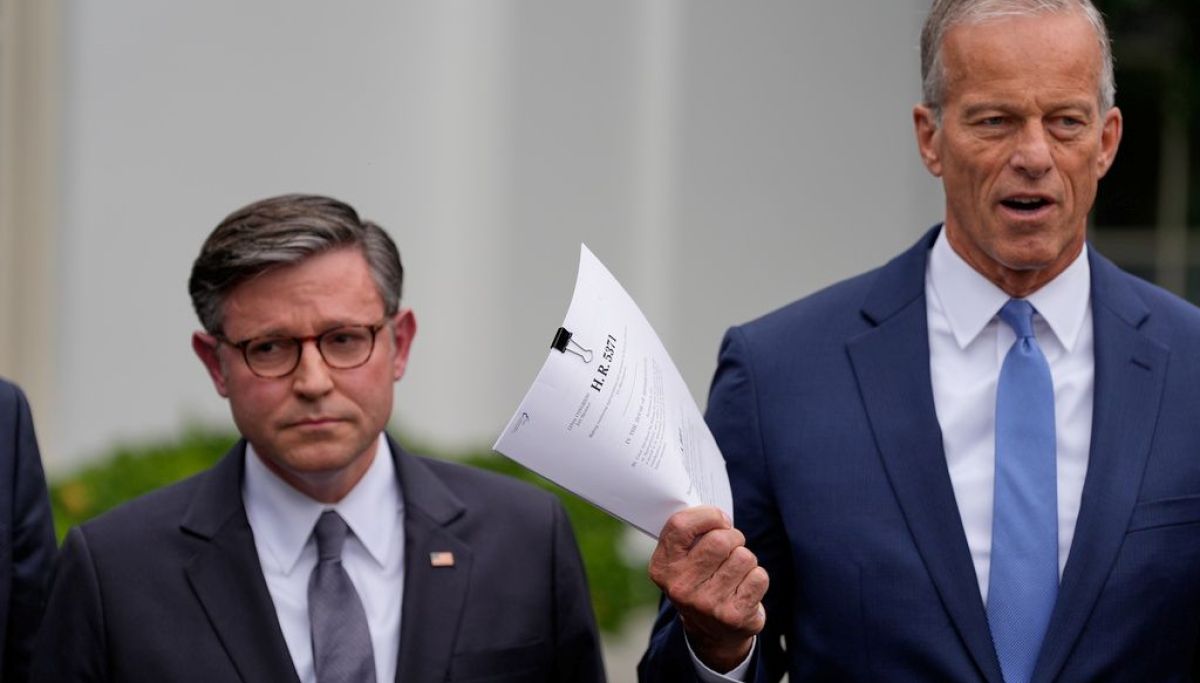
Trump at 32% Approval as Gas Prices Test GOP Midterm Hopes
NYT/Siena polling showed Trump's approval at historic lows around 32 percent with Democrats leading by double digits in key districts. Early voting has surged in battleground states.

Record Early Voting Hits Battlegrounds, Shifting Partisan Shares
AP analysis found hundreds of thousands more early ballots than in 2022 in states including Texas, Ohio, Kansas, Maine, and North Carolina, shifting partisan dynamics.
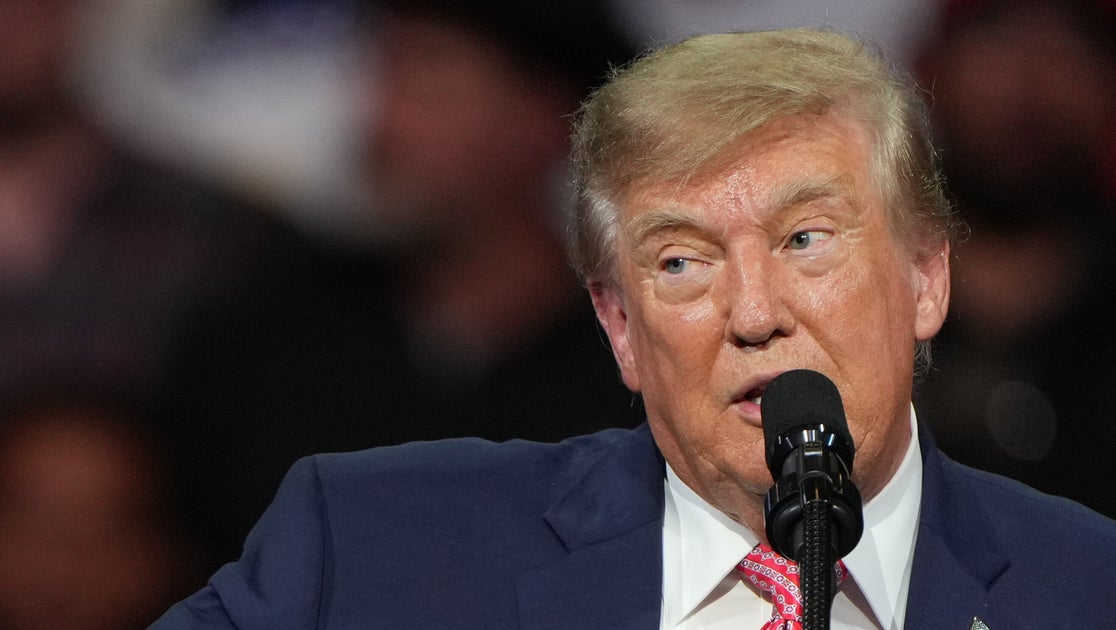
Trump Backs Marshall in Kansas Senate Race Tightened by Farm Costs
President Trump rallied in deep-red Kansas for GOP Sen. Roger Marshall in a competitive race, announcing an $8 billion farm fuel relief program amid high diesel prices. Democrats see an opening to end 94 years of GOP dominance in the state.

Trump Pauses Russia Sanctions Amid Ukraine Tensions and Missile Strikes
Trump waived sanctions on Russia and floated trilateral talks with Putin and Xi as part of ending the Ukraine war, while tensions rose with Zelenskyy over Starlink and arms. Bipartisan senators engaged Zelenskyy amid the shifts.
The Compass
You just read five takes on one story.
What's your take? Find your political shape in a few minutes.
Take the test