
Wisconsin Panel Finds Probable Cause on Musk $1M Voter Checks
Cover image from time.com, which was analyzed for this article
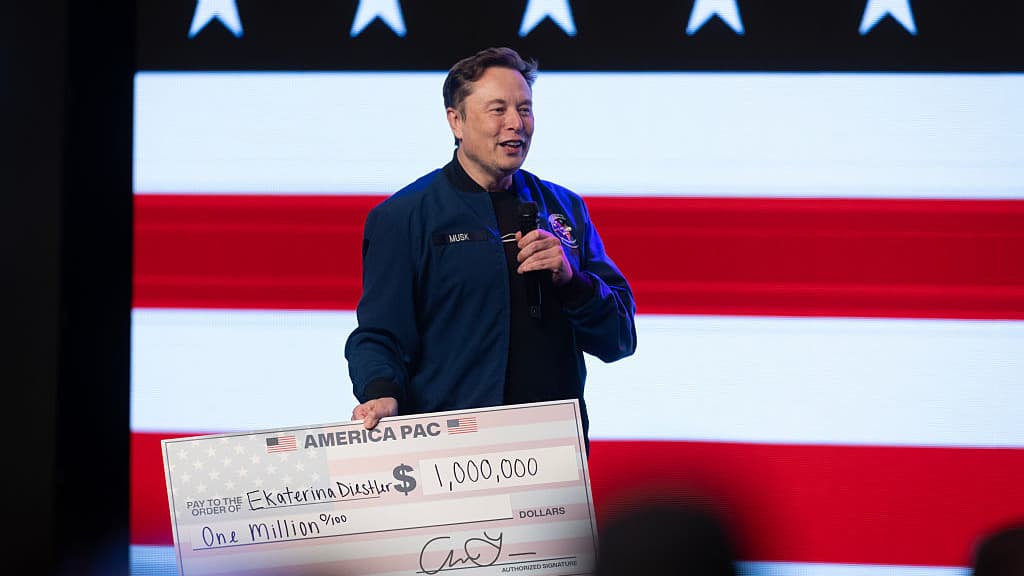
A Wisconsin elections board found Elon Musk likely violated anti-bribery laws by distributing million-dollar checks to voters. The ruling raises questions about election-related spending and potential charges. Democrats are highlighting the decision in ongoing political attacks.
PoliticalOS
Wednesday, July 15, 2026 — Politics
A state elections commission has referred complaints about Musk’s $1 million voter giveaways to prosecutors for possible charges, but no decision on prosecution has been made. The case tests the boundary between protected political spending and prohibited inducements under Wisconsin law.
What outlets missed
Neither outlet examined prior enforcement examples under Wisconsin’s election bribery statute or clarified how the commission distinguished between the deleted post and the later clarification. Both omitted the exact statutory language defining inducement to vote. The articles also left unaddressed whether the $100 petition referral payments, separate from the million-dollar awards, factored into the complaints or the commission’s reasoning.
Wisconsin voters now face the possibility that a major political donor could face criminal charges for offering cash in connection with a state judicial election. The outcome could reshape how large-scale petition drives and giveaways are treated under state bribery statutes.
The Wisconsin Elections Commission voted 5-1 in closed session on July 10, 2026, to refer two confidential complaints to the Brown County district attorney. The commission, evenly split between three Democrats and three Republicans, concluded there was probable cause that Elon Musk violated the state election bribery law by posting on X that he would award $1 million checks to people who voted in the April 1, 2025, Supreme Court race. Prosecutors have 40 days to decide whether to file charges.
Musk’s America PAC spent more than $20 million supporting Republican candidate Brad Schimel in that race. Schimel lost to Democrat Susan Crawford, who won by 10 percentage points. Total spending by both sides exceeded $100 million. Musk’s initial post stated that entrance to a Wisconsin event would be limited to those who had voted and that two $1 million checks would be handed out in appreciation for voting. A later post clarified that checks would go to spokespeople for a petition opposing activist judges. Three $1 million checks were ultimately distributed, two at a Green Bay rally.
Wisconsin Attorney General Josh Kaul filed suit on March 28, 2025, seeking to halt the giveaways. State courts declined to issue an injunction. Musk’s attorneys argued the payments supported petition signers rather than direct vote inducement and were protected political speech. A separate civil suit filed by the Wisconsin Democracy Campaign and two voters remains pending in Brown County and seeks to bar similar payments in future elections.
Musk’s America PAC ran comparable daily $1 million drawings in seven swing states ahead of the 2024 presidential election for petition signers supporting the First and Second Amendments. Philadelphia authorities sued over that program but did not obtain an injunction. The Brown County district attorney’s office has not yet indicated whether charges will be filed against Musk.
More in Politics

Federal Agents Search Omar Home in Ongoing Immigration Probe
Homeland Security agents searched the Minnesota Democrat's DC residence in a criminal probe, prompting accusations of political intimidation from Omar and Democratic leaders. Coverage spans left-leaning outlets like NPR, BBC, and The Guardian alongside right-leaning criticism from The Federalist and Daily Wire.

Trump Diesel Import Plan Draws Pushback Over Russia Ties
The weekend agreement drew bipartisan congressional pushback and criticism from Ukraine's Zelenskyy, with analysts downplaying US fuel price impacts. Right-leaning outlets like National Review, Dispatch, and Washington Examiner questioned its legality and effectiveness.

Independents Test Voter Appetite for Middle Ground in 2026 Midterms
Nearly 200 independents are running in competitive races as voters weigh ballot measures on housing costs in states like Massachusetts. Left-leaning coverage from NYT, NPR, and Guardian highlights turnout and key races while right outlets focus on GOP strategy.
Trump Rallies in Alaska, Ohio to Bolster GOP Senate Candidates
The president rallied in Wasilla for Sen. Dan Sullivan and faced empty seats at an Ohio event amid midterm concerns. Outlets across the spectrum covered the trips as signals of GOP vulnerability weeks before Election Day.
The Compass
You just read five takes on one story.
What's your take? Find your political shape in a few minutes.
Take the test