
Nakba Day Draws Global Protests Amid Funding and Rhetoric Concerns

Cover image from aljazeera.com, which was analyzed for this article
Palestinians worldwide mark 78 years since the Nakba with millions participating in commemorations. Well-funded leftist and Islamist groups target Israel and Jewish sites in protests. Events highlight ongoing displacement and regional tensions.
PoliticalOS
Friday, May 15, 2026 — Politics
Nakba commemorations remain a flashpoint where legitimate historical memory intersects with rhetoric that multiple governments classify as existential threats to Israel. Readers should weigh protest scale claims against the absence of independent verification and note that both displacement facts and security concerns rest on documented but selectively presented records.
What outlets missed
Coverage rarely placed the 1948 events within the full sequence of UN partition acceptance by Jewish leaders and rejection by Arab states, followed by invasion. No outlet supplied independently verified totals for global attendance or cross-checked the $1 billion funding aggregate against public tax filings. Details on specific synagogue clashes remained limited to single-source accounts without police confirmation or arrest figures. The role of ongoing congressional probes into foreign-influence registration was noted but not updated with latest status from the Department of Justice.
Palestinians Mark 78 Years Since the Nakba as Protests Highlight Deep Divisions Over History and Rights
Millions of Palestinians observed the 78th anniversary of the Nakba on Friday, using the occasion to recall the mass displacement that accompanied Israel's founding in 1948 while also pressing demands for justice and self-determination. The commemorations took place against a backdrop of continued displacement in Gaza and coordinated demonstrations worldwide, revealing sharp disagreements over how that history should shape present-day policy.
The Nakba, Arabic for catastrophe, refers to the flight or expulsion of roughly 750,000 Palestinians during the 1947-1949 war. Historians note that about one-third of the Arab population in the area left their homes, with more than 400 villages and neighborhoods emptied or destroyed. Many families still hold deeds and keys to properties now inside Israel, and hundreds of thousands of their descendants live in refugee camps across the West Bank, Gaza, Jordan, Lebanon and Syria.
This year's events carried added weight because they followed Israel's war in Gaza, which began after the October 2023 attacks and produced another large-scale internal displacement. More than two million people in the enclave remain crowded into less than half of the territory, according to aid agencies, with movement restricted by security zones. Organizers framed the anniversary as both remembrance and a renewed call for the right of return, a position that has long been central to Palestinian national identity but remains a core point of contention in any future negotiations.
At the same time, protests labeled Nakba 78 unfolded in dozens of cities across the United States, Europe and Australia. An analysis of organizing websites showed events planned in roughly 39 countries, drawing participation from a wide array of advocacy coalitions. Critics of the demonstrations, including researchers tracking funding flows, argued that many participating groups receive substantial institutional support and advance positions that question Israel's legitimacy as a Jewish state. They described the network as blending radical left and Islamist elements that view the 1948 events not as the birth of a nation but as an ongoing injustice requiring reversal.
The contrast in framing is instructive. Palestinian accounts emphasize the human cost of dispossession and the persistence of refugee status across generations. Opposing voices stress that the same period produced a Jewish state after centuries of persecution and that efforts to delegitimize that state often cross into rejection of Jewish self-determination altogether. Both perspectives draw on documented history, yet they produce incompatible policy conclusions: one prioritizing return and territorial claims, the other prioritizing security and demographic stability.
Public opinion data in Western countries shows the divide is widening along generational and partisan lines. Younger cohorts in several democracies express greater sympathy for Palestinian narratives, while older cohorts and those aligned with traditional foreign-policy establishments remain more supportive of Israel's position. This split influences everything from campus activism to legislative debates over aid and sanctions.
For policymakers, the challenge is whether these competing historical claims can be addressed through concrete agreements on borders, security guarantees and refugee resettlement rather than through symbolic protests or mutual recrimination. Past rounds of talks foundered precisely on the refugee and recognition issues that the Nakba anniversary keeps in view. Without fresh mechanisms to bridge those gaps, annual commemorations are likely to continue serving as reminders of unresolved conflict rather than steps toward closure.
You just read Liberal's take. Want to read what actually happened?
More in Politics
Trump at 32% Approval as Gas Prices Test GOP Midterm Hopes
NYT/Siena polling showed Trump's approval at historic lows around 32 percent with Democrats leading by double digits in key districts. Early voting has surged in battleground states.

Record Early Voting Hits Battlegrounds, Shifting Partisan Shares
AP analysis found hundreds of thousands more early ballots than in 2022 in states including Texas, Ohio, Kansas, Maine, and North Carolina, shifting partisan dynamics.
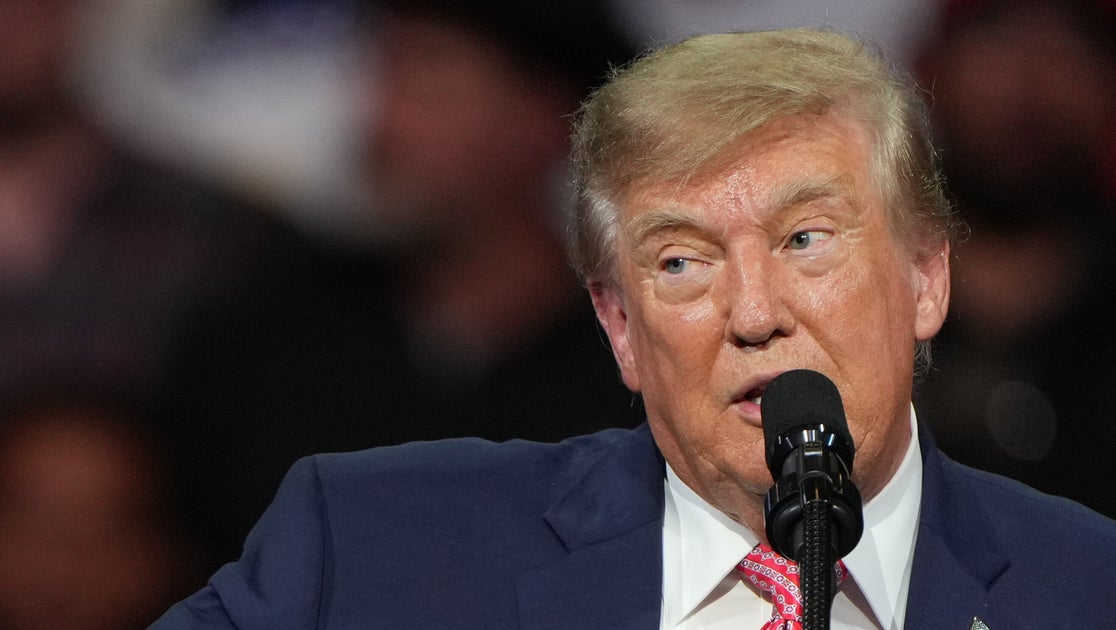
Trump Backs Marshall in Kansas Senate Race Tightened by Farm Costs
President Trump rallied in deep-red Kansas for GOP Sen. Roger Marshall in a competitive race, announcing an $8 billion farm fuel relief program amid high diesel prices. Democrats see an opening to end 94 years of GOP dominance in the state.

Trump Pauses Russia Sanctions Amid Ukraine Tensions and Missile Strikes
Trump waived sanctions on Russia and floated trilateral talks with Putin and Xi as part of ending the Ukraine war, while tensions rose with Zelenskyy over Starlink and arms. Bipartisan senators engaged Zelenskyy amid the shifts.
The Compass
You just read five takes on one story.
What's your take? Find your political shape in a few minutes.
Take the test