
Nakba Day Draws Global Protests Amid Funding and Rhetoric Concerns

Cover image from aljazeera.com, which was analyzed for this article
Palestinians worldwide mark 78 years since the Nakba with millions participating in commemorations. Well-funded leftist and Islamist groups target Israel and Jewish sites in protests. Events highlight ongoing displacement and regional tensions.
PoliticalOS
Friday, May 15, 2026 — Politics
Nakba commemorations remain a flashpoint where legitimate historical memory intersects with rhetoric that multiple governments classify as existential threats to Israel. Readers should weigh protest scale claims against the absence of independent verification and note that both displacement facts and security concerns rest on documented but selectively presented records.
What outlets missed
Coverage rarely placed the 1948 events within the full sequence of UN partition acceptance by Jewish leaders and rejection by Arab states, followed by invasion. No outlet supplied independently verified totals for global attendance or cross-checked the $1 billion funding aggregate against public tax filings. Details on specific synagogue clashes remained limited to single-source accounts without police confirmation or arrest figures. The role of ongoing congressional probes into foreign-influence registration was noted but not updated with latest status from the Department of Justice.
Palestinians Mark 78 Years of Nakba With Renewed Calls for Justice and Return
Millions of Palestinians across the occupied territories and the diaspora are marking the 78th anniversary of the Nakba this week, remembering the mass expulsion of some 750,000 people from their homes in 1948 and demanding an end to the ongoing dispossession that has defined their lives ever since. The commemorations come at a time when more than two million Gazans remain displaced inside a narrow coastal strip, confined by Israeli military restrictions even months after a fragile ceasefire took hold.
The Nakba, Arabic for catastrophe, refers to the systematic removal of Palestinians from villages and towns that became the state of Israel. Historians document that roughly one-third of the population at the time was forced out, with more than 400 communities emptied or destroyed to accommodate incoming Jewish immigrants. Families still hold keys and property deeds to houses they were never allowed to reclaim, symbols preserved across generations in refugee camps from Gaza and the West Bank to Jordan, Lebanon and Syria.
This year’s anniversary is the third since Israel launched its devastating war on Gaza. Even with fighting paused, the enclave’s population is squeezed into less than half of its territory, barred from returning to large areas now declared off-limits by Israeli authorities. In southern Gaza’s Khan Younis, 83-year-old Mustafa Al-Jazzar, who fled his home during the original 1948 events, sat with grandchildren who have never known a life free of siege and repeated displacement.
Organizers framed the day as both remembrance and a political statement. They insist that true justice requires recognition of the right of return for refugees and their descendants, alongside self-determination for Palestinians living under occupation or blockade. Protests took place from New York and London to Sydney, drawing participants who reject the notion that marking the Nakba is an attack on Jews rather than a demand for accountability from the Israeli state.
Critics of the demonstrations, including some Western officials and advocacy groups, have portrayed the events as coordinated efforts to undermine Israel’s existence. Yet the core grievances raised by participants trace directly to documented history: the expulsion of civilians, the razing of villages, and the refusal to allow returns that international law has long affirmed as a right. Palestinian voices at the rallies emphasized that their struggle is rooted in the same principles of equality and redress applied to other displaced peoples.
Japan’s national team preparations for the 2026 World Cup offered a brief distraction for some, but the mood in Palestinian communities remained focused on survival and memory. With another generation growing up in exile or under blockade, the anniversary underscores how little has changed since 1948 for those still seeking the homes and rights they lost.
You just read Progressive's take. Want to read what actually happened?
More in Politics

Trump Defends Ramaswamy Ad Using Estranged Mother in Ohio Race
President Trump defended a GOP nominee's ad featuring a Democratic opponent's estranged mother, calling it powerful, while drawing criticism from some Republicans including Ohio Gov. Mike DeWine. The ad has sparked internal GOP tensions ahead of midterms.
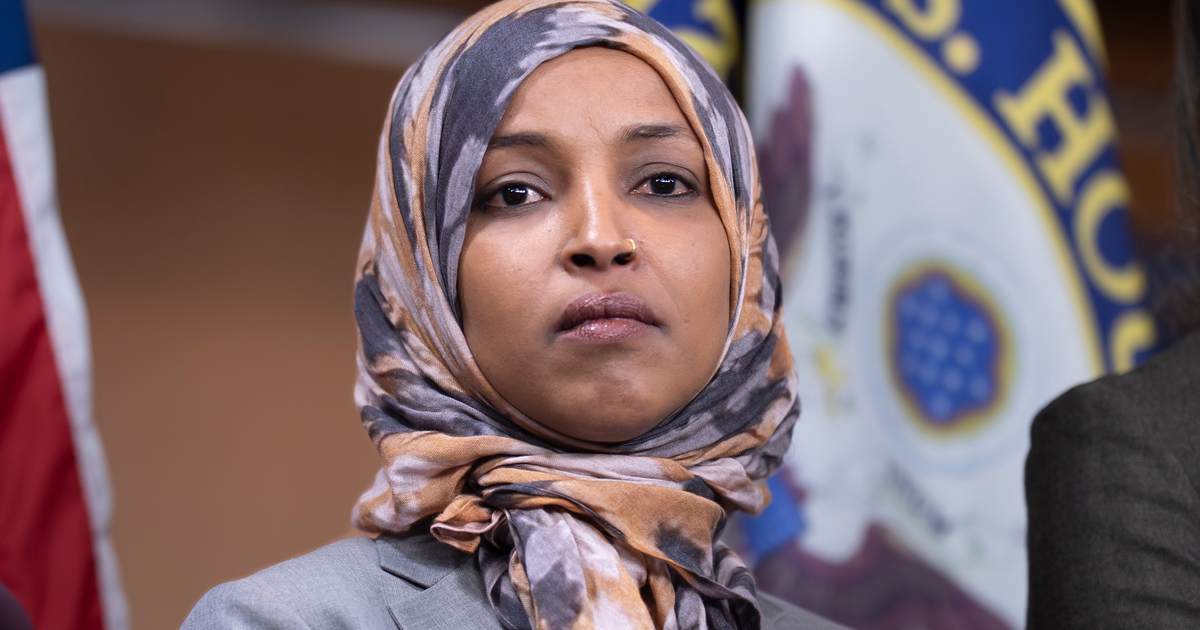
Federal Raid Targets Omar Amid Unresolved Name and Marriage Allegations
Agents searched Rep. Ilhan Omar's DC residence over immigration fraud allegations; she called it bizarre. Reports and commentary questioned her birth name and past marriage details.

Supreme Court Upholds New Hampshire Student ID Voting Ban
The Supreme Court upheld New Hampshire's ban on student IDs as valid voter identification just before midterms, affecting a tight Senate race.
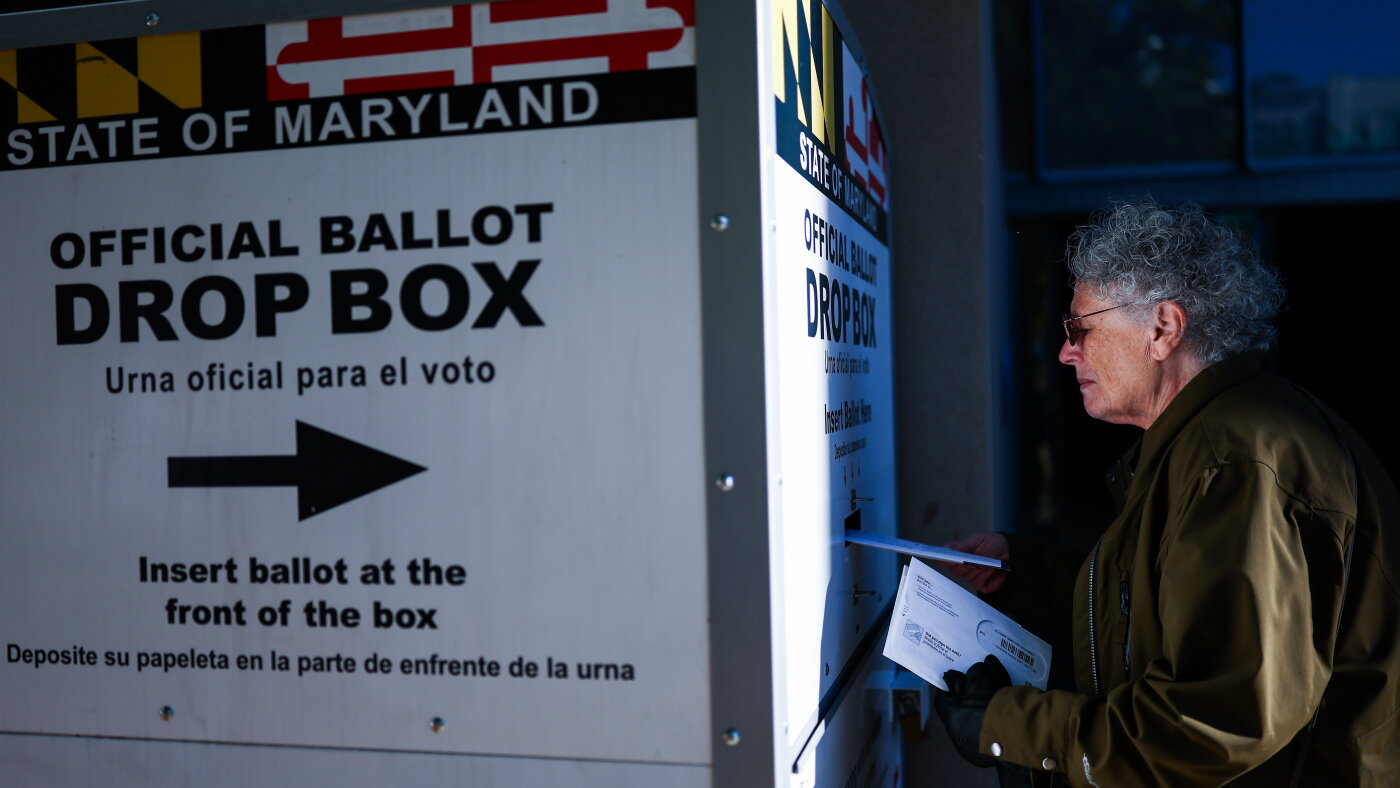
Early Voting Hits 21 Million as Most Trust Midterm Accuracy
Millions have already voted early as parties make final appeals amid $1.4 billion in ad spending; polls show confidence in election accuracy.
The Compass
You just read five takes on one story.
What's your take? Find your political shape in a few minutes.
Take the test