
Virginia's Redistricting Vote Ignites National Gerrymandering Clash
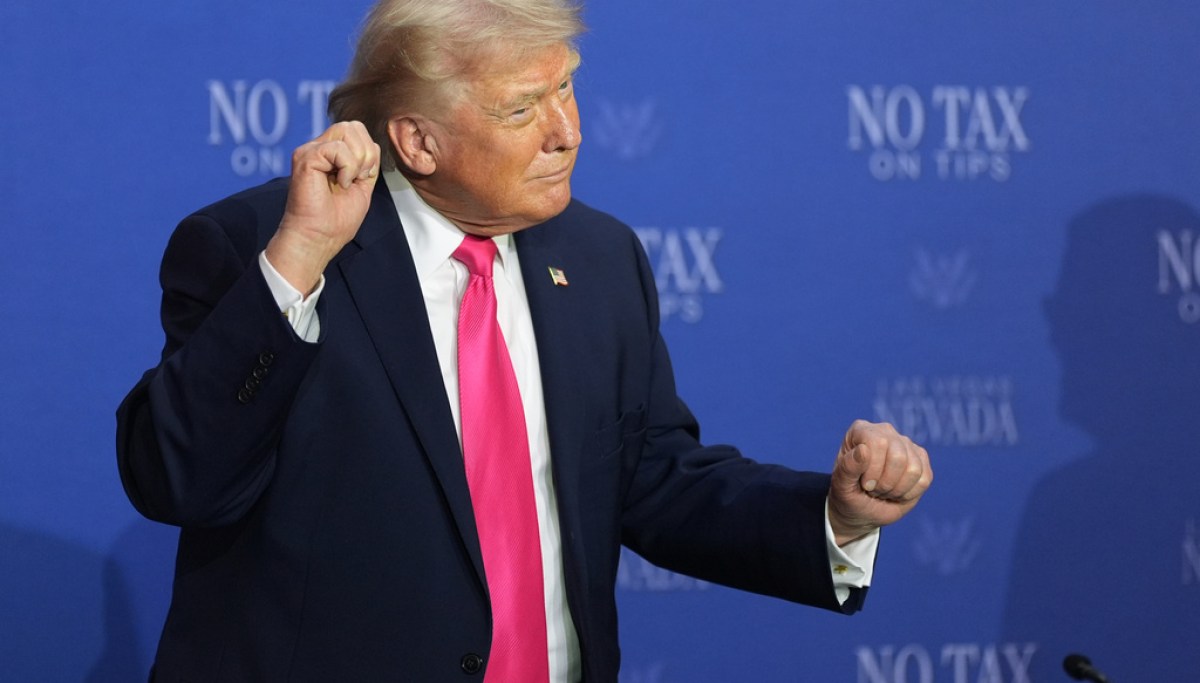
Cover image from washingtonexaminer.com, which was analyzed for this article
Virginia's map ruling amplifies fights over gerrymandering, with Democrats holding edge but GOP pushing back. Midterm implications loom as states rewrite lines. Coverage notes GOP remorse and legal strategies.
PoliticalOS
Thursday, April 23, 2026 — Politics
Virginia's narrow referendum approval has triggered an immediate court block, meaning the projected 10-1 Democratic map is not yet in effect and could still be overturned. This episode reveals gerrymandering as a self-reinforcing cycle in which each party's maximalism invites retaliation, with judges rather than voters likely to set the final boundaries before 2026. The single most important reality is that competing nonpartisan projections leave the net effect on House control uncertain, turning mid-decade map fights into a high-stakes gamble for both sides.
What outlets missed
Most coverage downplayed or omitted the precise mechanics of Virginia's approved amendment, which authorized the legislature to draw maps rather than letting voters directly enact new boundaries. Nonpartisan seat projections showing Republicans potentially netting between one and six House seats overall, even after Virginia and California moves, were rarely integrated; NPR and Cook Political Report analyses suggesting a continued GOP edge received little emphasis outside specialized trackers. The full timeline of parallel legal challenges, including an earlier federal court block on aspects of Texas's maps later partially upheld, was fragmented across outlets, obscuring that both sides' efforts remain provisional. Low turnout below 48 percent and the razor-thin margin were sometimes noted but seldom connected to broader questions about whether the outcome reflected a genuine public mandate for 10-1 partisan skew.
Redistricting Escalation Exposes Limits of Power Politics
Virginia voters on Tuesday narrowly approved a ballot measure to redraw the state's congressional map in a manner that dramatically tilts the scales toward Democrats. The change is projected to transform the commonwealth's current 6-5 Democratic edge in its House delegation into a 10-1 advantage, netting Democrats four additional seats ahead of the 2026 midterms. The outcome arrives amid a broader cycle of mid-decade mapmaking that began with Republican moves in Texas and has now triggered counteroffensives in Democratic strongholds, leaving many in the GOP questioning whether the strategy advanced their long-term interests or simply accelerated a race to the bottom.
The Virginia referendum was explicitly designed as a response to actions taken last summer in Texas, where Republican legislators, acting on encouragement from President Donald Trump, approved new congressional boundaries expected to deliver five net gains for the GOP. Trump had warned that a Democratic House could lead to renewed impeachment efforts against him, framing the redistricting as defensive necessity. California Democrats answered with their own adjustments, also projected to yield five seats for their party. What began as a targeted effort to fortify a slim Republican majority has instead produced a series of offsetting maneuvers that threaten to leave the overall national balance unchanged or even worsened for the side that moved first.
Republican lawmakers voiced open regret in the aftermath. Rep. Don Bacon of Nebraska called the initial push a mistake in hindsight, noting that planners failed to anticipate responses from other states. "They thought they could just do Texas and nobody else is gonna respond," he said. California Rep. Kevin Kiley, who recently became an independent but continues to caucus with Republicans, was more direct: "I wish none of this had happened." Rep. Brian Fitzpatrick of Pennsylvania described the cycle as "a race to the bottom" that benefits neither party nor the public. Even NRCC Chairman Richard Hudson, responsible for defending the House majority, declined to defend the approach when asked if it had been worth the effort.
The recriminations extend beyond tactical errors. In Virginia, questions arose about whether national Republican leaders and former Gov. Glenn Youngkin should have invested more heavily in opposing the measure. The "no" vote actually exceeded Trump's 2024 performance in the state, suggesting underlying resistance to overt partisan engineering. Yet the initiative still passed, illustrating how closely divided electorates can be swayed on process questions when both sides frame the other as the aggressor.
These developments highlight a deeper tension within conservative circles about the proper use of political authority. For decades, many on the right have argued that neutral rules and restrained government power protect minority interests and prevent the sort of tit-for-tat escalation now visible. When legislatures or voter initiatives become vehicles for maximizing one party's seats regardless of underlying voter preferences, the result often deviates sharply from population realities. Virginia has voted roughly 52 percent Democratic in recent presidential elections, a modest lean that previously produced a near-even congressional split. Converting that into a 10-1 Democratic map represents the sort of aggressive line-drawing once condemned by both parties when the roles were reversed.
Democrats, for their part, have executed a notable pivot. Many spent years denouncing partisan gerrymandering on principle, particularly after the Supreme Court's 2019 decision that federal courts would not intervene in such disputes. Now, with opportunities to counter Republican initiatives, they have embraced the same tools. The Virginia map, advanced through a popular referendum rather than direct legislative action, adds a layer of democratic veneer to what remains an exercise in raw partisan advantage.
Conservative commentator Kevin Williamson noted that redistricting has always been political, as inherent to legislative power as taxation or regulation. The practice dates to the earliest days of the republic, with the term "gerrymander" itself originating in 1812. Yet Williamson also described the Virginia outcome as ruthless, particularly in a competitive state where such extremes stretch normal expectations of representation. The humor some observers find in the situation stems from its predictability: one side alters maps to gain leverage, the other mirrors the tactic, and the public grows more cynical about the integrity of electoral boundaries.
The practical effects remain uncertain. Republicans maintain a fragile grip on the House, and these shifts could complicate their hold if broader political winds favor Democrats in 2026. More significant may be the institutional precedent. Once both parties treat redistricting as an unrestricted arms race, reversing the trend becomes difficult. Each cycle invites further innovation in packing and cracking districts, reducing competitive seats and hardening partisan divides. What begins as shrewd politics can erode the perceived legitimacy of outcomes, as voters in both red and blue areas increasingly suspect the deck is stacked before ballots are cast.
This episode underscores an enduring reality in democratic governance. Attempts to seize temporary advantage through institutional levers often invite symmetric responses that diminish the original gains. The lawmakers now expressing buyer's remorse are discovering that initiating conflict on procedural grounds rarely ends with one side's uncontested victory. Instead, it tends to normalize behavior once viewed as exceptional, leaving the rules themselves as the primary casualty. As the wheel of redistricting continues turning, the question facing both parties is whether any side can summon the restraint to step back before the machinery grinds down public confidence further.
You just read Conservative's take. Want to read what actually happened?
More in Politics

Trump Defends Ramaswamy Ad Using Estranged Mother in Ohio Race
President Trump defended a GOP nominee's ad featuring a Democratic opponent's estranged mother, calling it powerful, while drawing criticism from some Republicans including Ohio Gov. Mike DeWine. The ad has sparked internal GOP tensions ahead of midterms.

Federal Raid Targets Omar Amid Unresolved Name and Marriage Allegations
Agents searched Rep. Ilhan Omar's DC residence over immigration fraud allegations; she called it bizarre. Reports and commentary questioned her birth name and past marriage details.

Supreme Court Upholds New Hampshire Student ID Voting Ban
The Supreme Court upheld New Hampshire's ban on student IDs as valid voter identification just before midterms, affecting a tight Senate race.
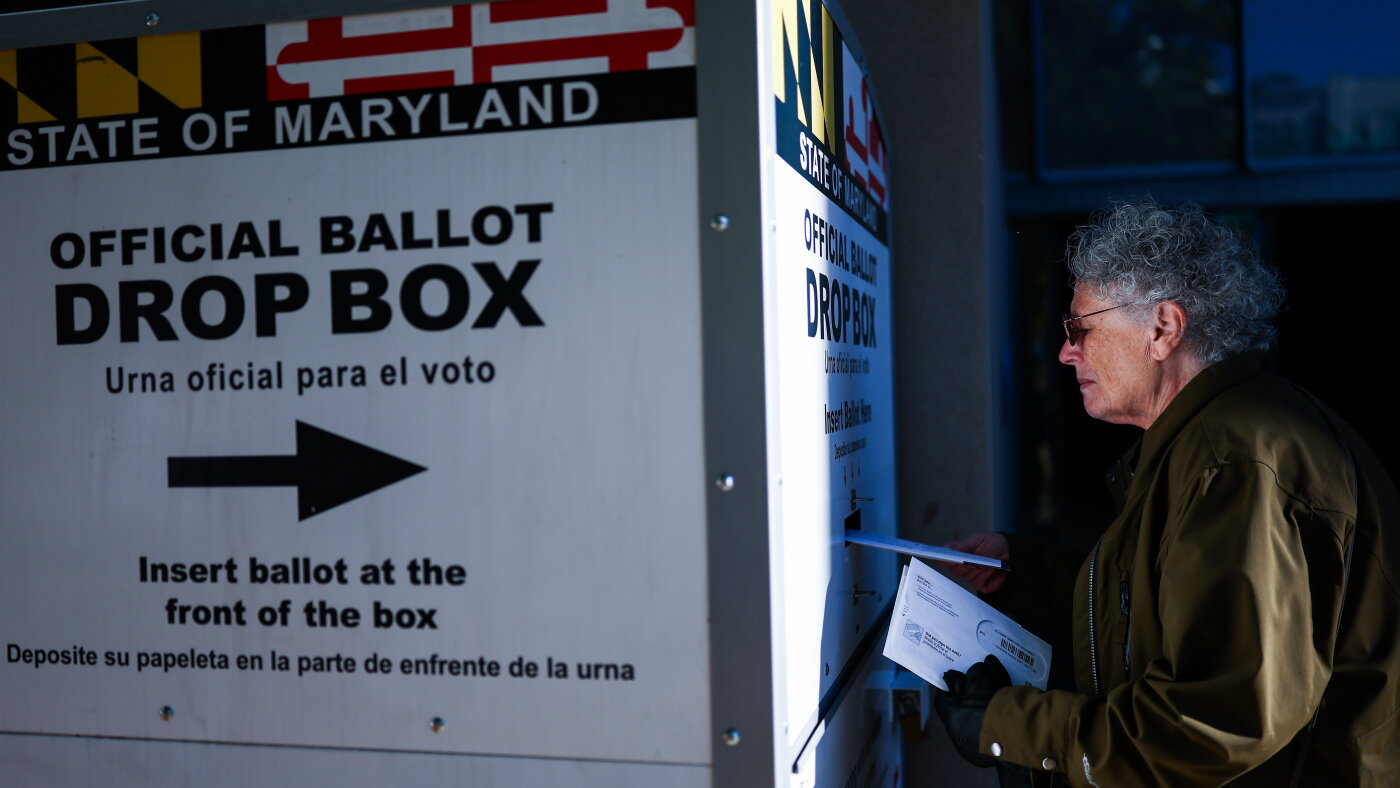
Early Voting Hits 21 Million as Most Trust Midterm Accuracy
Millions have already voted early as parties make final appeals amid $1.4 billion in ad spending; polls show confidence in election accuracy.
The Compass
You just read five takes on one story.
What's your take? Find your political shape in a few minutes.
Take the test