
Pentagon Email Floats NATO Penalties for Spain Over Iran War Rift

Cover image from cnbc.com, which was analyzed for this article
Pentagon email proposes suspending Spain from NATO and other penalties for insufficient support in Iran war. Reports highlight alliance fractures as EU pushes de-escalation. Doubts grow over NATO's role amid US demands.
PoliticalOS
Friday, April 24, 2026 — Politics
The leaked email exposes genuine and deepening NATO divisions over burden-sharing in a conflict that does not trigger the alliance's mutual defense clause. Proposed measures like suspending Spain or revisiting the Falklands are legally impossible under the North Atlantic Treaty and appear intended primarily as leverage rather than executable policy. The single most important reality is that anonymous sourcing leaves the document's exact status unverified, yet the public airing of grievances has already damaged trust on both sides of the Atlantic.
What outlets missed
Most accounts underplayed that the email's contents rest entirely on one anonymous U.S. official with no independent corroboration of the document itself, its date, or its precise circulation level across the Pentagon. Spain's position was more nuanced than simple refusal—it allowed U.S. forces to remain at Rota and Morón but drew a legal line at offensive strikes from its territory, a distinction that reframes the dispute as bounded rather than total abandonment. Outlets also gave short shrift to the non-Article 5 nature of the Iran operations, which explains why allies viewed participation as discretionary rather than obligatory under the North Atlantic Treaty. Finally, the full text of Article 13—permitting only voluntary one-year-notice withdrawal, never suspension or expulsion—was rarely explained beyond a single NATO quote, leaving readers without the treaty's clear legal boundary.
Pentagon Considers Suspending Spain From NATO as European Allies Refuse to Back Iran Fight
WASHINGTON — An internal Pentagon email is exposing deep fractures inside NATO as the United States wages a costly air war against Iran and discovers once again that many of its European partners treat American military power as an unlimited resource they can exploit without ever contributing in return. According to a U.S. official who spoke to Reuters on condition of anonymity, the email outlines retaliatory options against allies including Spain and the United Kingdom for their reluctance to grant basic access, basing, and overflight rights essential to the conflict.
The note, circulating at high levels inside the Defense Department, captures a sense of frustration that has been building for years but reached a boiling point after the air campaign began on February 28. The Strait of Hormuz was subsequently closed to global shipping, disrupting energy markets and global trade. President Donald Trump has repeatedly slammed NATO countries for failing to send their own navies to help reopen the critical waterway. His blunt assessment, delivered in an April 1 interview with Reuters, cut to the heart of the matter: “Wouldn’t you if you were me?” when asked about the possibility of America withdrawing from the alliance altogether.
The email does not recommend full U.S. withdrawal or the closure of American bases in Europe. But its language is unmistakable. It describes ABO — access, basing, and overflight — as “just the absolute baseline for NATO.” Anything less, the note suggests, reflects “a sense of entitlement on the part of the Europeans.” One proposal floats suspending Spain from the 32-member alliance, an act that would carry heavy symbolic weight even if its day-to-day operational impact on U.S. forces would be limited. Another option raises the possibility of revisiting Washington’s longstanding support for Britain’s claim to the Falkland Islands, which Argentina also asserts as its own.
These are not idle threats scribbled in the margins. The official told Reuters the options were being discussed seriously as leverage against allies perceived as difficult or obstructive. One idea involves stripping uncooperative countries from important or prestigious NATO posts. The message is clear: if Washington is going to shoulder the heaviest burden in yet another Middle East conflict, the least its treaty partners can do is stop obstructing basic logistics.
Spain’s socialist Prime Minister Pedro Sanchez tried to wave the controversy away Friday while attending an EU meeting in Cyprus. He insisted his country is a “reliable member” of NATO that meets all its obligations and works strictly within international law. “We do not work with emails,” Sanchez said. “We work with official documents and positions taken by the government of the United States.” His calm dismissal will likely only reinforce the Pentagon’s irritation. European leaders have grown skilled at delivering lofty rhetoric about solidarity while quietly withholding practical help when American lives and treasure are on the line.
A NATO official pushed back on the legal feasibility of suspending any member, noting that the alliance’s founding treaty contains no provision for kicking out a country. That technicality misses the larger point. The email is not a dry legal memo. It is a warning shot. For too long, Washington has tolerated a lopsided arrangement in which the United States maintains the world’s most powerful military, stations troops across Europe, and picks up the tab for collective defense while allies lecture America about multilateralism and then drag their feet when asked to share the load.
This episode fits a familiar pattern. Trump has warned for years that NATO had become a bad deal for American taxpayers and soldiers. Many of these same European capitals spent the better part of the last decade criticizing U.S. policy in the Middle East, only to expect unconditional American protection when their own energy supplies or shipping lanes are threatened. The Iran conflict, which has already triggered a temporary two-week ceasefire to allow negotiations and the reopening of the Strait of Hormuz, underscores how quickly these paper alliances can fray under real pressure.
The Pentagon email also mentions the United Kingdom, though the specific option of revisiting the Falklands carries special sting given Britain’s historic alliance with Washington. London has reportedly declined to provide naval support for the Hormuz operation, according to Trump’s public criticisms. That reluctance comes despite decades of American security guarantees that allowed European governments to underfund their own militaries and spend the savings on generous social programs.
Critics of endless foreign entanglements have argued for years that NATO’s original purpose — containing the Soviet Union — has long since expired. What remains is an arrangement that often feels more like a protection racket in reverse, with America playing the role of global enforcer while allies free-ride and then act surprised when Washington finally notices. The leaked email suggests elements inside the Pentagon have noticed.
Whether these options become formal policy remains to be seen. The White House has not publicly commented on the document, and Pentagon press secretary Kingsley Wilson declined to address it directly when asked. But the mere circulation of such ideas at senior levels signals a profound shift in how Washington views its oldest military partnerships. For an administration elected on promises to put American interests first, tolerating open-ended commitments to partners who refuse even minimal cooperation is becoming increasingly untenable.
The episode arrives as Trump continues to press for a longer-term resolution to the Iran conflict. A temporary ceasefire is now in place, but the underlying tensions over the Strait of Hormuz and Tehran’s regional behavior persist. European statements of “absolute collaboration” sound hollow when matched against their actual behavior on access and naval support. If the Pentagon email achieves nothing else, it forces a long-overdue conversation about whether NATO still serves American purposes or has become another institution that demands American strength while resenting American leadership.
Allies who treat the United States as an ATM for security while offering little in return should not be shocked when the terms of the arrangement are finally reconsidered. The email lays bare what many ordinary Americans have felt for years: the United States has been carrying far more than its share for far too long, and patience is wearing thin.
You just read America First's take. Want to read what actually happened?
More in Politics
Trump at 32% Approval as Gas Prices Test GOP Midterm Hopes
NYT/Siena polling showed Trump's approval at historic lows around 32 percent with Democrats leading by double digits in key districts. Early voting has surged in battleground states.

Record Early Voting Hits Battlegrounds, Shifting Partisan Shares
AP analysis found hundreds of thousands more early ballots than in 2022 in states including Texas, Ohio, Kansas, Maine, and North Carolina, shifting partisan dynamics.
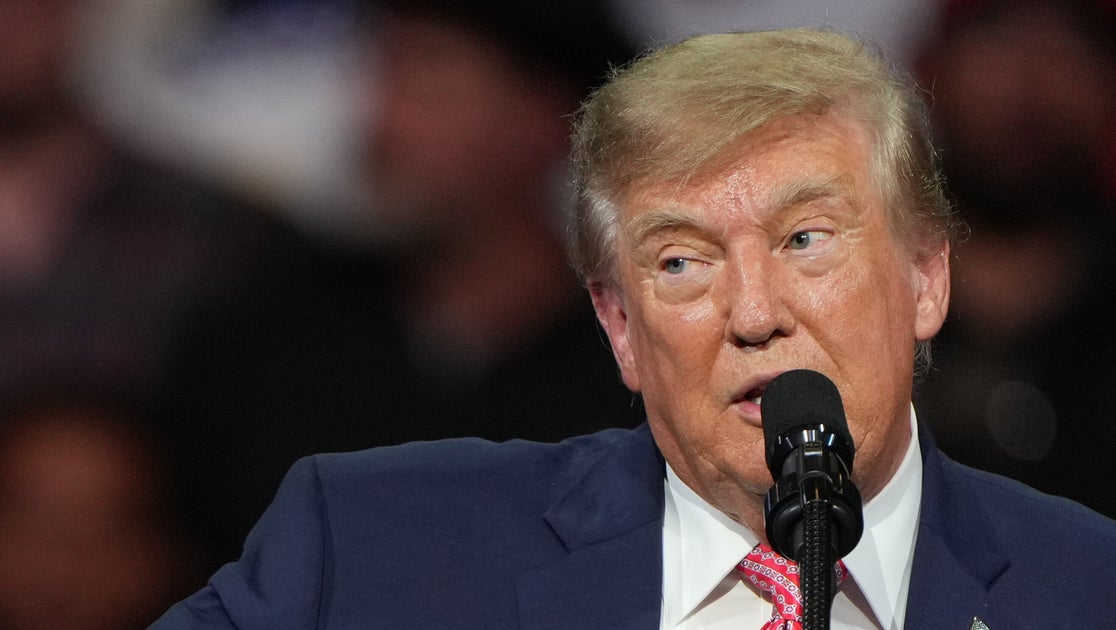
Trump Backs Marshall in Kansas Senate Race Tightened by Farm Costs
President Trump rallied in deep-red Kansas for GOP Sen. Roger Marshall in a competitive race, announcing an $8 billion farm fuel relief program amid high diesel prices. Democrats see an opening to end 94 years of GOP dominance in the state.

Trump Pauses Russia Sanctions Amid Ukraine Tensions and Missile Strikes
Trump waived sanctions on Russia and floated trilateral talks with Putin and Xi as part of ending the Ukraine war, while tensions rose with Zelenskyy over Starlink and arms. Bipartisan senators engaged Zelenskyy amid the shifts.
The Compass
You just read five takes on one story.
What's your take? Find your political shape in a few minutes.
Take the test