
Nebraska Enacts First Medicaid Work Requirements, Testing Compliance vs. Coverage Risks
Cover image from nbcnews.com, which was analyzed for this article
Nebraska implements Medicaid work requirements under Trump budget law, requiring proof of employment for many recipients. Low-income residents worry about coverage loss on day one. Policy sparks debate on welfare reform efficacy.
PoliticalOS
Friday, May 1, 2026 — Politics
Nebraska's early rollout of Medicaid work requirements will test whether data automation and self-attestation can prevent the administrative disenrollments that plagued Arkansas, where most losses stemmed from paperwork rather than actual noncompliance. With two-thirds of eligible adults already working or in school and broad medical exemptions available, the central risk is not unwillingness to work but whether notification and verification systems function smoothly enough to avoid coverage gaps for those the law intends to protect. How Nebraska performs will shape implementation in dozens of states facing the 2027 federal mandate.
What outlets missed
Both outlets underplayed that Nebraska's system allows self-attestation for volunteering, education and certain exemptions without supporting medical documentation, a deliberate easing compared to earlier state experiments. They also gave minimal attention to how post-pandemic eligibility reviews left states with fresher, more complete data on enrollees, improving automation prospects that were unavailable in Arkansas in 2018. The fact that roughly two-thirds of expansion adults already work or study, per longstanding KFF data, received only passing mention despite directly supporting the state's 72-percent auto-verification claim. Finally, coverage of the 25,000-loss projection treated it as settled despite the specific figure not appearing in searchable Urban Institute publications, leaving readers without clear signals on verification status.
Nebraska Implements Medicaid Work Requirements to Promote Self Reliance
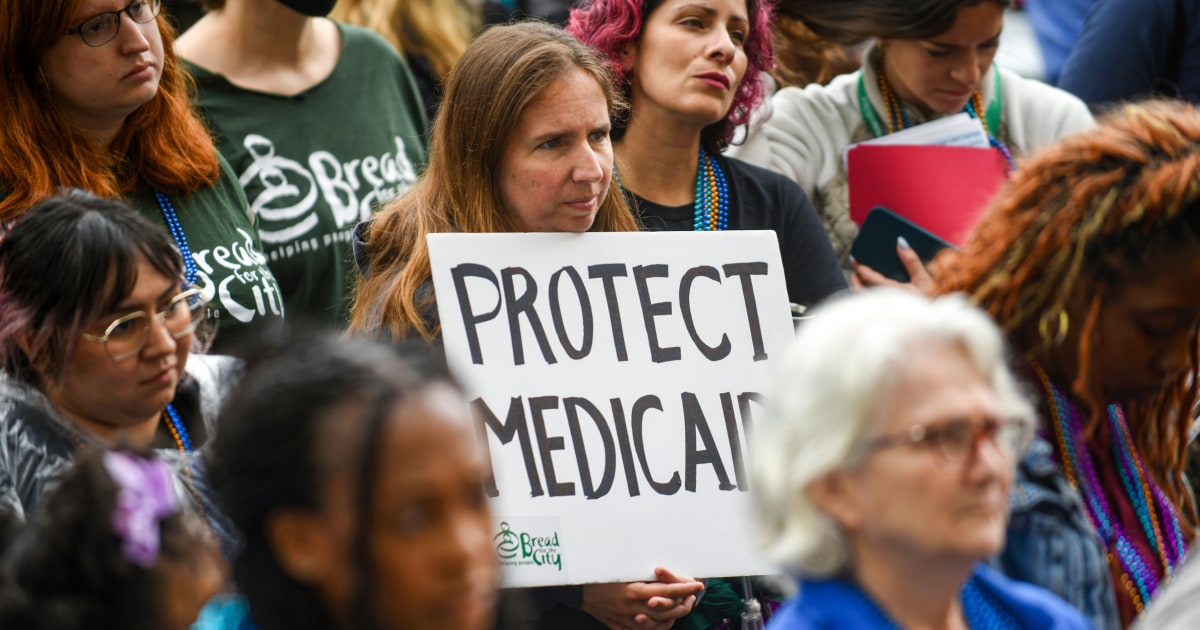
Nebraska became the first state in the nation Friday to enforce work requirements for able-bodied adults on Medicaid eight months ahead of a federal deadline tucked into President Donald Trump's One Big Beautiful Bill Act. The policy signed into law last summer requires many recipients to document that they are working training or attending school as a condition of keeping their government funded health coverage. State leaders say the move will reduce dependency and push more people into the workforce while critics claim it will create needless bureaucratic hurdles for thousands of Nebraskans.
The requirements apply to adults ages 19 to 64 who are considered able bodied. Roughly 72,000 people in the state could face the new rules according to state health officials. A nonpartisan analysis from the Urban Institute estimates that as many as 25,000 could ultimately lose coverage. New applicants must prove compliance right away while current enrollees have until the end of July to submit paperwork. Those who miss deadlines after being notified risk having their benefits terminated.
Governor Jim Pillen a Republican has championed the change alongside the Trump administration. Officials argue the policy simply asks people to contribute to society in return for taxpayer funded health care. In a statement accompanying the rollout state health leaders said the goal is straightforward to connect more adults with jobs and reduce long term reliance on government programs. The requirements were part of the massive tax cut and spending package Trump signed on July 4 2025 that Republicans billed as a sweeping overhaul of entitlements and fiscal policy. Nebraska's decision to move faster than the January 2027 federal deadline reflects a desire to lead on the issue rather than wait for more Washington guidance expected in June.
The rollout has drawn sharp criticism from left leaning advocacy groups who say the timing is unnecessarily aggressive. Anthony Wright executive director of Families USA called the early start a mistake that will create chaos for ordinary families. He argued that eighteen months was already a tight window to overhaul eligibility systems and that Nebraska's haste serves no clear purpose. Similar complaints have come from the American Civil Liberties Union which is helping residents navigate the changes.
One such resident is Schmeeka Simpson a 46 year old Omaha woman who works three jobs yet still depends on Medicaid. Simpson serves as a patient navigator for the ACLU works as an administrative assistant at Nebraskans for Peace and picks up shifts at a Dunkin shop. None of her employers provide health insurance. She has been on Medicaid since her divorce in 2014 and says the program has been a lifeline. Simpson lost her food assistance benefits after missing a renewal deadline due to technical glitches and she fears the same could happen with her health coverage.
Adding more barriers won't make the program work any better Simpson said in an interview. Her situation highlights a reality for many in the Medicaid expansion population created under the Affordable Care Act. These are often working people whose jobs do not come with benefits yet who fall into a gray area where government coverage fills the gap. Advocates worry that paperwork problems red tape and confusion will cause large numbers of compliant workers to fall off the rolls not because they refuse to work but because they get lost in the system.
Supporters of the policy counter that able bodied adults should not need government health care indefinitely especially when labor shortages persist across the country. They point to decades of evidence from other welfare programs showing that work requirements can increase employment and give people a sense of purpose. The Trump bill's architects argued that Medicaid expansion had distorted incentives making it too easy for millions to remain on public assistance without any expectation of reciprocity. Nebraska's early adoption is being watched closely by other Republican led states that are likely to follow once federal rules are finalized.
The policy does include exemptions for those who are pregnant disabled or caring for young children. Training programs and education can also count toward the required hours. Yet the burden of proof falls on recipients many of whom have limited experience dealing with complex state bureaucracies. Nebraska health officials say they will conduct outreach to help people comply but the clock is already ticking for new enrollees.
This moment represents a significant shift in how America approaches safety net programs. For years critics on the right have warned that expansive welfare systems foster dependency and strain state budgets. The Medicaid expansion under former President Obama added millions to the rolls many of them childless working age adults. Trump's legislation sought to rein in those costs by tying benefits to personal responsibility. Nebraska's move puts that philosophy into practice ahead of schedule.
Whether the policy succeeds in moving people from government aid to private coverage or simply creates administrative headaches will become clearer in the coming months. For now Simpson and others like her are left hoping the system works as promised. State leaders insist the intent is not to punish but to encourage a transition to independence. In an economy where jobs remain available they argue the requirement is both reasonable and overdue. As more states consider similar steps Nebraska's experience will test whether work requirements deliver the accountability their backers promise or the disruption their opponents fear.
You just read America First's take. Want to read what actually happened?
More in Politics

Trump Defends Ramaswamy Ad Using Estranged Mother in Ohio Race
President Trump defended a GOP nominee's ad featuring a Democratic opponent's estranged mother, calling it powerful, while drawing criticism from some Republicans including Ohio Gov. Mike DeWine. The ad has sparked internal GOP tensions ahead of midterms.
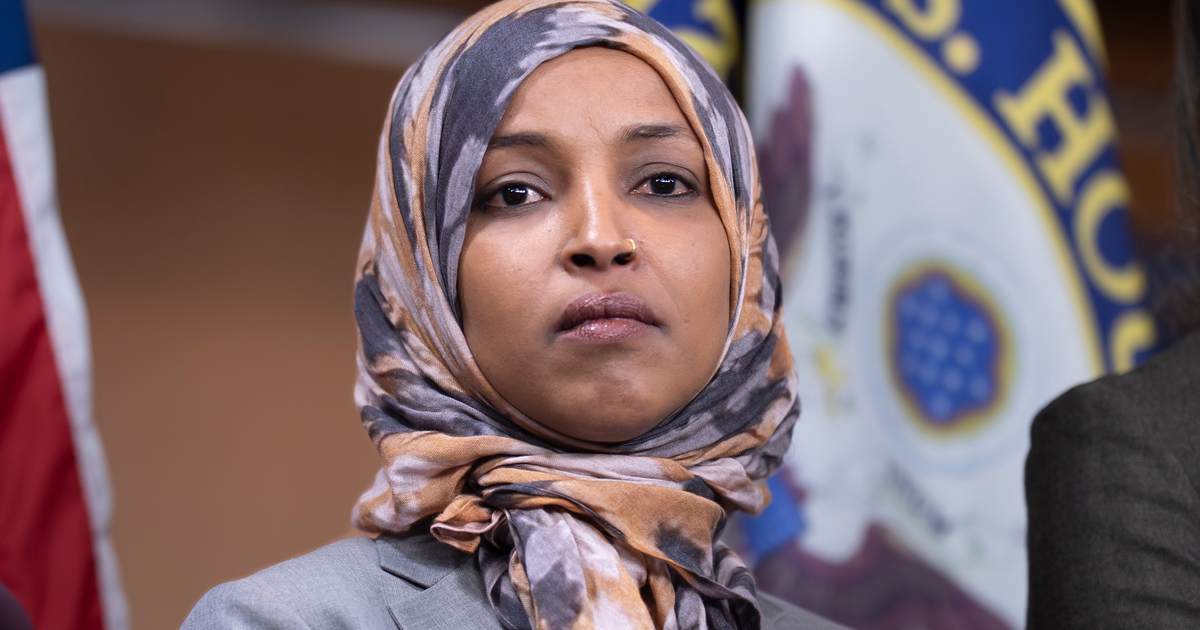
Federal Raid Targets Omar Amid Unresolved Name and Marriage Allegations
Agents searched Rep. Ilhan Omar's DC residence over immigration fraud allegations; she called it bizarre. Reports and commentary questioned her birth name and past marriage details.

Supreme Court Upholds New Hampshire Student ID Voting Ban
The Supreme Court upheld New Hampshire's ban on student IDs as valid voter identification just before midterms, affecting a tight Senate race.
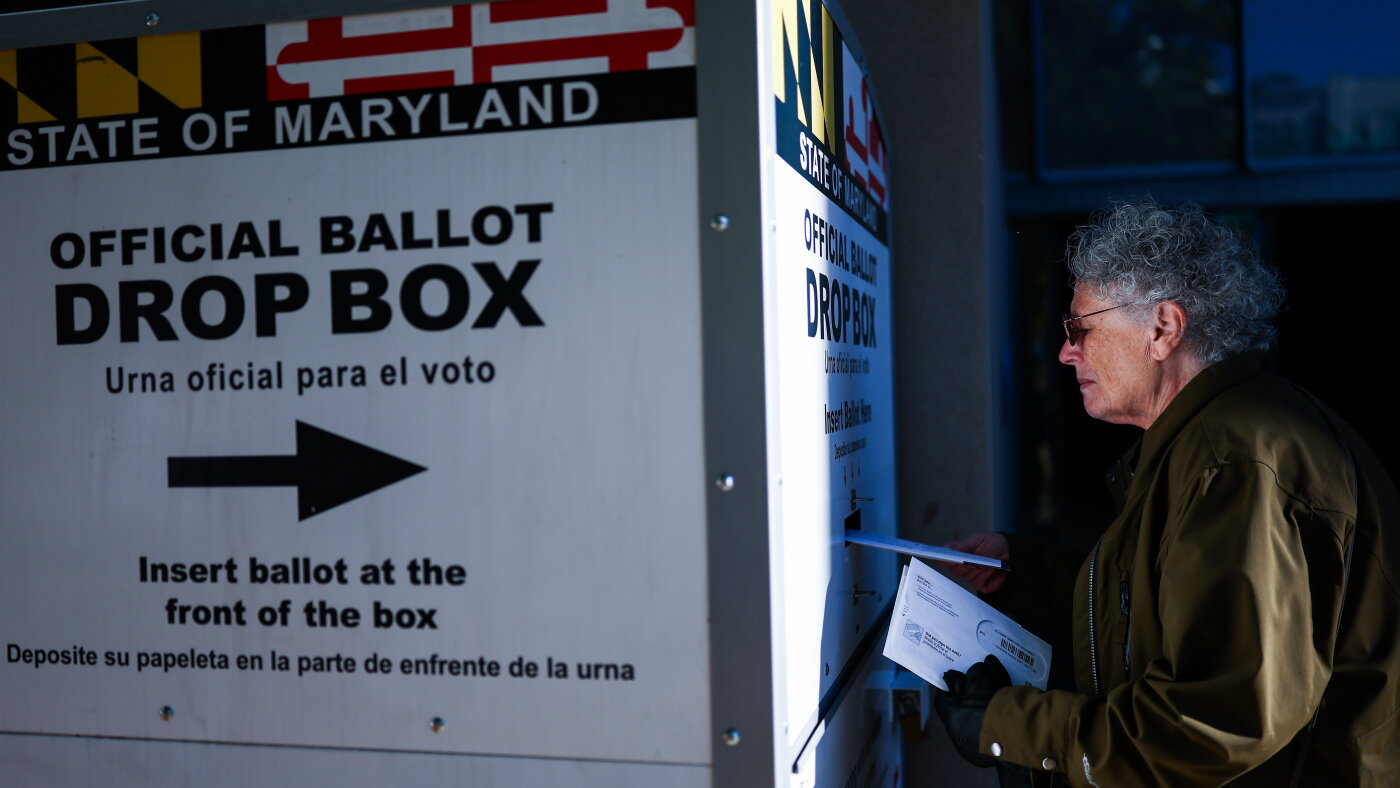
Early Voting Hits 21 Million as Most Trust Midterm Accuracy
Millions have already voted early as parties make final appeals amid $1.4 billion in ad spending; polls show confidence in election accuracy.
The Compass
You just read five takes on one story.
What's your take? Find your political shape in a few minutes.
Take the test