
Nebraska Enacts First Medicaid Work Requirements, Testing Compliance vs. Coverage Risks
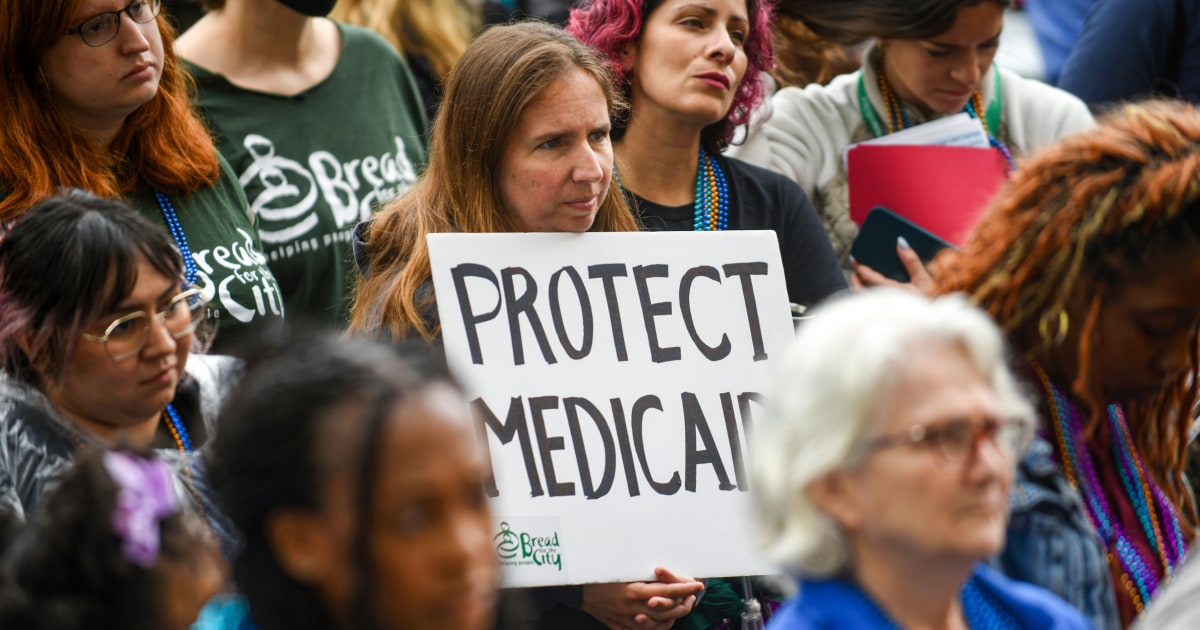
Cover image from nbcnews.com, which was analyzed for this article
Nebraska implements Medicaid work requirements under Trump budget law, requiring proof of employment for many recipients. Low-income residents worry about coverage loss on day one. Policy sparks debate on welfare reform efficacy.
PoliticalOS
Friday, May 1, 2026 — Politics
Nebraska's early rollout of Medicaid work requirements will test whether data automation and self-attestation can prevent the administrative disenrollments that plagued Arkansas, where most losses stemmed from paperwork rather than actual noncompliance. With two-thirds of eligible adults already working or in school and broad medical exemptions available, the central risk is not unwillingness to work but whether notification and verification systems function smoothly enough to avoid coverage gaps for those the law intends to protect. How Nebraska performs will shape implementation in dozens of states facing the 2027 federal mandate.
What outlets missed
Both outlets underplayed that Nebraska's system allows self-attestation for volunteering, education and certain exemptions without supporting medical documentation, a deliberate easing compared to earlier state experiments. They also gave minimal attention to how post-pandemic eligibility reviews left states with fresher, more complete data on enrollees, improving automation prospects that were unavailable in Arkansas in 2018. The fact that roughly two-thirds of expansion adults already work or study, per longstanding KFF data, received only passing mention despite directly supporting the state's 72-percent auto-verification claim. Finally, coverage of the 25,000-loss projection treated it as settled despite the specific figure not appearing in searchable Urban Institute publications, leaving readers without clear signals on verification status.
Nebraska Launches Early Medicaid Work Requirements Leaving Thousands in Fear of Losing Coverage
Nebraska became the first state Friday to enforce new Medicaid work requirements under President Donald Trump's signature tax and spending bill thrusting tens of thousands of low-income adults into a bureaucratic gauntlet that critics say is designed to fail them. The policy which began eight months ahead of the federal deadline has already sparked widespread anxiety among recipients many of whom already juggle multiple jobs without employer-sponsored health insurance.
Schmeeka Simpson embodies the very people the policy claims to target. The 46-year-old Omaha resident works three jobs as a patient navigator for the American Civil Liberties Union an administrative assistant at Nebraskans for Peace and a shift worker at a Dunkin' shop. None of her employers offer health benefits. She has relied on Medicaid since her divorce in 2014 yet she now fears losing it over paperwork technicalities that previously caused her to lose food assistance when a renewal glitch tripped her up.
"Adding more barriers won't make the program work any better" Simpson said in an interview. Even with her heavy workload she worries that proving compliance could become an insurmountable hurdle especially when systems crash or notifications get lost. Her story is not unique. The Urban Institute a nonpartisan research organization estimates that roughly 72,000 Nebraskans will face the new rules and as many as 25,000 could ultimately lose coverage. Those figures represent people who gained Medicaid through the Affordable Care Act's expansion now deemed "able-bodied" adults ages 19 to 64 who must document 80 hours per month of work job training or schooling or qualify for an exemption.
The rushed timeline has drawn sharp criticism from health advocates. States were not required to begin enforcement until January 2027 under the so-called One Big Beautiful Bill Act signed by Trump last July with official federal guidance not expected until June. Nebraska's decision to move forward in May has been called reckless by groups like Families USA. Anthony Wright the organization's executive director described the accelerated rollout as "unnecessarily rushed" on a call this week noting that even the full 18 months allotted by federal law was barely enough time to implement such sweeping eligibility changes.
"Nebraska has decided to start this process eight months early for no reason at all" Wright said. The state health department requires new applicants to submit proof immediately while current enrollees have until the end of July. Failure to respond within a month of notification risks immediate denial or termination of coverage. This administrative burden comes on top of the well-documented challenges many low-income Nebraskans already face with unstable work schedules lack of transportation and spotty internet access.
Republican state officials including Gov. Jim Pillen have defended the policy as a necessary step to encourage workforce participation. They argue it aligns with the Trump administration's vision of reducing dependency on government programs. Yet evidence from previous experiments with Medicaid work requirements in states like Arkansas under former President Trump showed that most people subject to the rules were already working or qualified for exemptions. What they lost was coverage due to red tape not lack of effort. Thousands were kicked off before courts stepped in to halt the programs.
The Nebraska rollout arrives amid a broader national push by congressional Republicans to reshape safety-net programs following their 2024 electoral gains. The massive reconciliation bill that cleared Congress last year paired tax cuts for corporations and the wealthy with spending reductions that included these work mandates for Medicaid. Critics including progressive health policy experts argue the requirements ignore structural barriers such as childcare shortages rural job scarcity and health conditions that may not meet strict exemption criteria.
Simpson's experience highlights how even diligent workers can fall through the cracks. Her three jobs leave little room for additional administrative tasks like scanning pay stubs or filing forms online. She recalls the panic of losing SNAP benefits after a technical glitch prevented timely renewal. "I did everything right but the system failed me" she said. Now she and thousands like her must navigate a new layer of oversight with their health on the line. Losing Medicaid would mean going without regular care for chronic conditions or preventive services that keep people healthy enough to work in the first place.
Advocates warn the policy could have ripple effects across Nebraska's health care system. Hospitals and clinics already strained in rural areas could see an increase in uncompensated care as newly uninsured patients delay treatment until emergencies arise. The move also sets a precedent for other Republican-led states eager to implement their own versions once federal guidance arrives. At least a dozen governors have signaled interest in following Nebraska's lead.
For Simpson and many others the policy feels less like an incentive to work and more like punishment for being poor. She continues showing up to her jobs while bracing for the possibility that a missed form or computer error could strip away her ability to see a doctor. As Nebraska's experiment begins its human cost is already coming into focus not in abstract statistics but in the quiet dread of people who work hard yet still live one bureaucratic misstep away from losing everything. The coming months will test whether the state's accelerated timeline delivers the workforce boom its supporters promise or simply swells the ranks of the uninsured.
You just read Progressive's take. Want to read what actually happened?
More in Politics

Trump Defends Ramaswamy Ad Using Estranged Mother in Ohio Race
President Trump defended a GOP nominee's ad featuring a Democratic opponent's estranged mother, calling it powerful, while drawing criticism from some Republicans including Ohio Gov. Mike DeWine. The ad has sparked internal GOP tensions ahead of midterms.
Federal Raid Targets Omar Amid Unresolved Name and Marriage Allegations
Agents searched Rep. Ilhan Omar's DC residence over immigration fraud allegations; she called it bizarre. Reports and commentary questioned her birth name and past marriage details.

Supreme Court Upholds New Hampshire Student ID Voting Ban
The Supreme Court upheld New Hampshire's ban on student IDs as valid voter identification just before midterms, affecting a tight Senate race.
Early Voting Hits 21 Million as Most Trust Midterm Accuracy
Millions have already voted early as parties make final appeals amid $1.4 billion in ad spending; polls show confidence in election accuracy.
The Compass
You just read five takes on one story.
What's your take? Find your political shape in a few minutes.
Take the test