
Haaland, Hull Secure New Mexico Governor Nominations
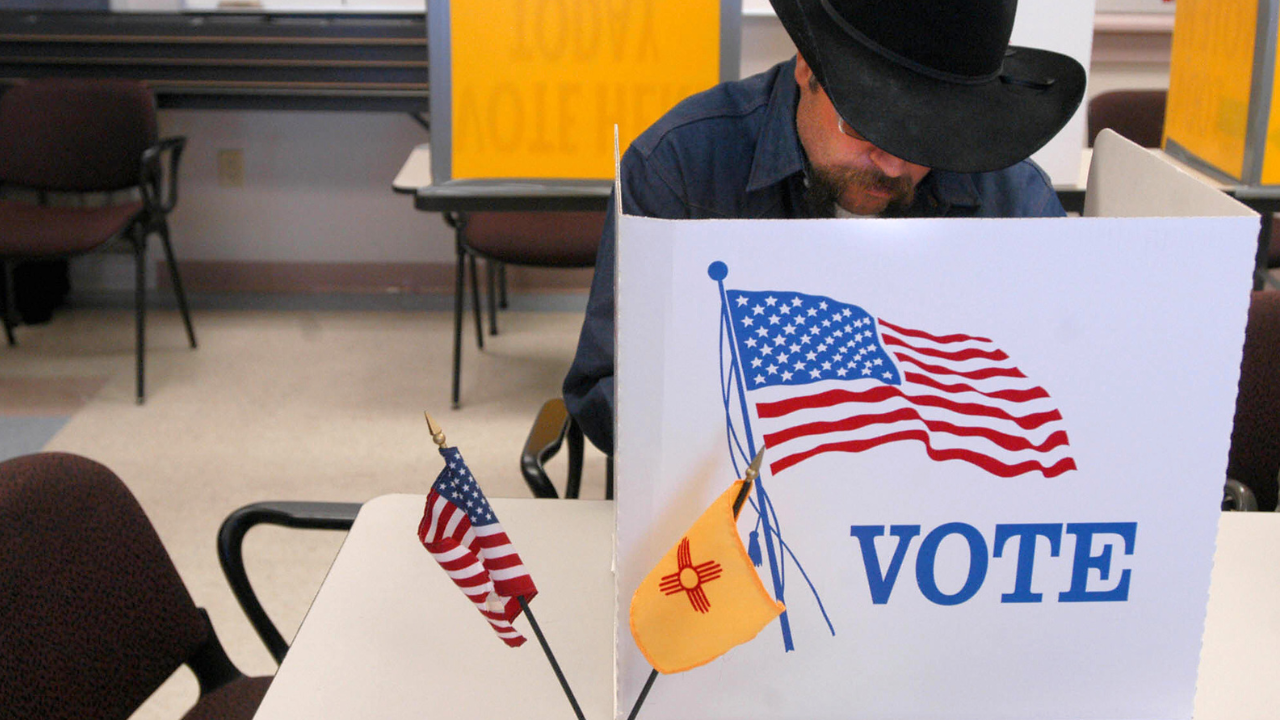
Cover image from foxnews.com, which was analyzed for this article
Deb Haaland won the Democratic nomination while Gregg Hull took the GOP side, setting up a contest to flip the governor's office.
PoliticalOS
Wednesday, June 3, 2026 — Politics
Haaland and Hull will face each other in November for an open governor’s seat in a state whose oil-funded social programs and public-safety challenges will define the next administration. The race tests whether New Mexico’s recent Democratic tilt holds or reverses.
What outlets missed
Neither outlet reported vote margins or turnout figures from the June 2 primaries. No independent verification exists for claims about the precise strength of Haaland’s or Hull’s victories. Details on how each candidate’s campaign spending compared or which demographic groups turned out in higher numbers also remain unavailable across the coverage.
Deb Haaland Advances to General Election in New Mexico Governor Race
Former Interior Secretary Deb Haaland secured the Democratic nomination for New Mexico governor on Tuesday, defeating Albuquerque prosecutor Sam Bregman in the primary. The victory positions Haaland, a member of the Laguna Pueblo tribe, as the likely first Native American woman to hold the office in a state that has leaned Democratic in recent cycles. Haaland, who previously served as a congresswoman and in President Biden's Cabinet, now faces Republican nominee Gregg Hull in November for the open seat left by term-limited Gov. Michelle Lujan Grisham.
Hull, the former mayor of Rio Rancho, won the GOP primary by emphasizing public safety, border security and economic growth. He defeated businessman Doug Turner and former state Human Services Secretary Duke Rodriguez. Throughout the campaign, Hull criticized Democratic leadership in Santa Fe and called for stricter measures against violent crime and fentanyl trafficking. His win comes as Republicans seek to flip the governor's office in a state that has alternated between parties over recent decades.
New Mexico's economy relies heavily on oil and natural gas exports, which have funded expansive state programs including universal child care, expanded health coverage, school lunches and free college tuition. The next governor will oversee management of these initiatives amid fluctuating energy revenues. Haaland's background in federal environmental policy could influence how the state balances resource extraction with its social safety net, though both nominees have yet to detail specific plans for sustaining the funding.
The primaries unfolded against a national backdrop where former President Trump maintained strong influence over Republican contests. Hull's nomination aligns with a pattern of Trump-endorsed candidates prevailing in several GOP races this cycle. In contrast, New Mexico Democrats rallied around Haaland's profile, which includes historic firsts as the first Native American Cabinet secretary and one of the first two Native American women elected to Congress.
Voter turnout details remain preliminary, but early returns showed Haaland building a comfortable lead in urban areas like Albuquerque while Hull consolidated support in suburban and rural counties. The general election contest will test whether Hull can capitalize on concerns over crime and border issues to overcome the state's recent Democratic tilt. Haaland, meanwhile, enters the race with strong name recognition from her federal service and a platform likely to defend the existing suite of state-funded programs.
Both candidates now turn to fundraising and coalition building ahead of the fall campaign. Hull will aim to broaden his appeal beyond the GOP base by highlighting his local government experience. Haaland must consolidate Democratic support while appealing to independents in a state where energy policy and public services remain central issues. The outcome in November will determine who steers New Mexico's response to ongoing challenges in education, healthcare access and resource management.
You just read Progressive's take. Want to read what actually happened?
More in Politics

Trump Defends Ramaswamy Ad Using Estranged Mother in Ohio Race
President Trump defended a GOP nominee's ad featuring a Democratic opponent's estranged mother, calling it powerful, while drawing criticism from some Republicans including Ohio Gov. Mike DeWine. The ad has sparked internal GOP tensions ahead of midterms.
Federal Raid Targets Omar Amid Unresolved Name and Marriage Allegations
Agents searched Rep. Ilhan Omar's DC residence over immigration fraud allegations; she called it bizarre. Reports and commentary questioned her birth name and past marriage details.

Supreme Court Upholds New Hampshire Student ID Voting Ban
The Supreme Court upheld New Hampshire's ban on student IDs as valid voter identification just before midterms, affecting a tight Senate race.
Early Voting Hits 21 Million as Most Trust Midterm Accuracy
Millions have already voted early as parties make final appeals amid $1.4 billion in ad spending; polls show confidence in election accuracy.
The Compass
You just read five takes on one story.
What's your take? Find your political shape in a few minutes.
Take the test