
Newark ICE Protests Spark Arrests, Pepper Spray Use, and Oversight Calls
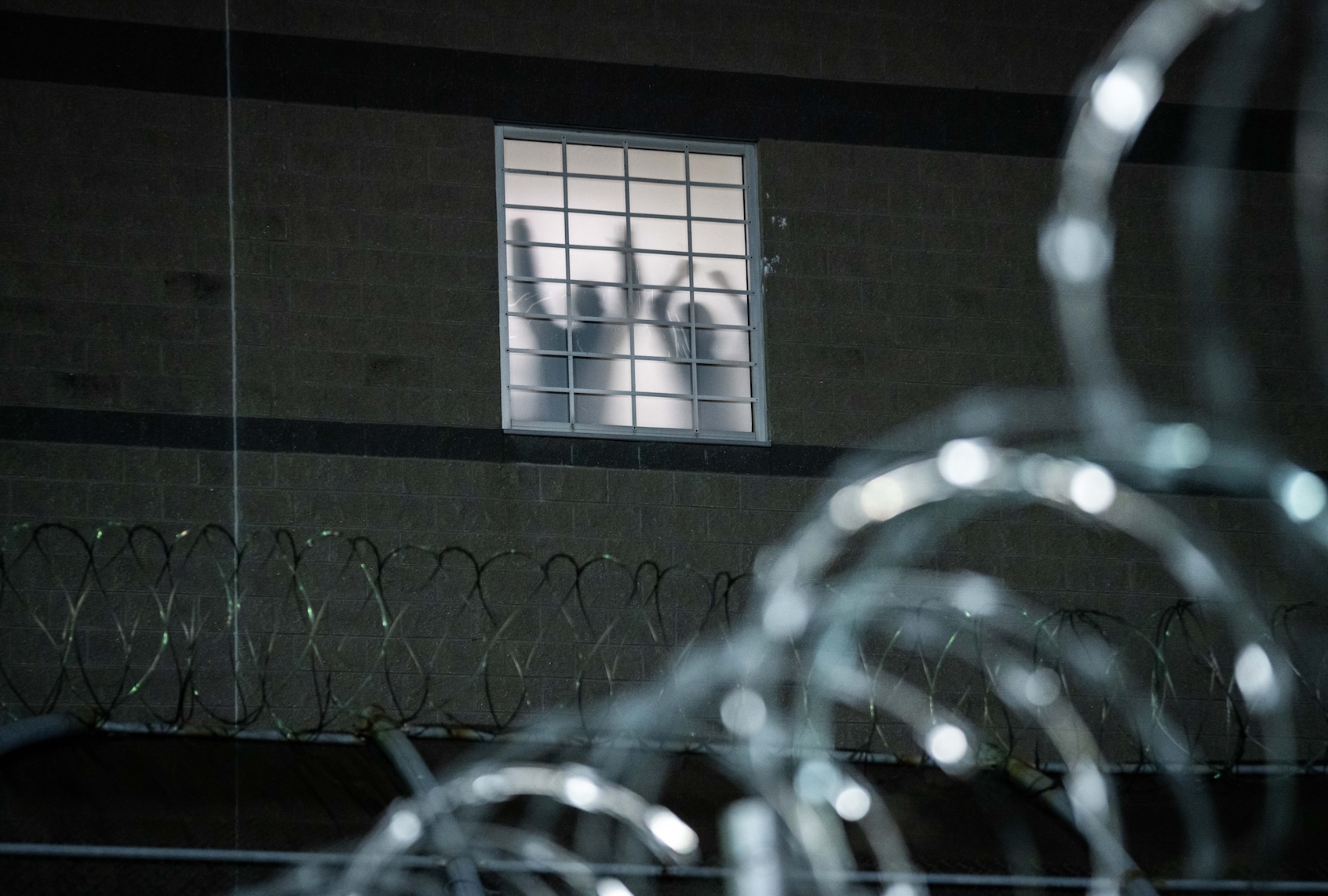
Cover image from salon.com, which was analyzed for this article
Tensions escalate at New Jersey ICE facility with protests, tear gas deployment, and charges against demonstrators for alleged assaults on officers. Lawmakers and detainees raise concerns over conditions and treatment.
PoliticalOS
Saturday, May 30, 2026 — Politics
The core events involve a detainee strike at Delaney Hall followed by external protests that produced documented uses of pepper spray and at least one arrest for alleged assault on officers. Official accounts and detainee advocates present sharply different descriptions of the same incidents, leaving questions of proportionality and conditions unresolved pending independent inspection.
What outlets missed
Neither outlet fully detailed the December in-custody death of Jean Wilson Brutus or the 18 total deaths recorded this year across ICE facilities, figures that place the Newark events in a broader statistical context. The growth of the national detained population from 40,000 to 73,000 was mentioned only in passing by one source and omitted by the other. Reports of detainees who secured release orders yet remained held, or who signed voluntary departure papers and still awaited transfer, received limited attention despite appearing in detainee letters.
Assault Charges Filed After Newark ICE Facility Protest Turns Violent
Tensions at the Delaney Hall detention center in Newark escalated over the Memorial Day weekend when around 300 Immigration and Customs Enforcement detainees began a hunger and work strike, citing complaints over food quality and medical services at the facility operated by the GEO Group under a federal contract. At the same time, protests outside the site led to the arrest of Brendan John Geier, 26, of Madison, New Jersey, who faces federal charges for allegedly biting two ICE officers during clashes with agents.
Department of Justice officials stated that Geier assaulted federal officers causing bodily injury, part of a series of incidents where demonstrators have blocked vehicles and confronted agents. Acting Attorney General Todd Blanche noted that federal officers are tasked with securing government property and that local New Jersey authorities have provided minimal assistance, allowing groups to regroup and escalate actions. Additional arrests remain possible as investigations continue.
Detainee complaints, relayed through advocates, include assertions of inadequate meals and delayed medical attention despite the facility's billion-dollar contract with the federal government. Detainees reportedly receive one dollar per day for facility maintenance tasks, while GEO Group leadership receives standard corporate compensation for managing the operation. Some detainees lack legal representation or have pursued voluntary departure options that have not yet resulted in release.
Federal immigration detention exists to hold individuals pending removal proceedings or enforcement of entry laws. Many at the site entered or remained in the country without authorization, creating the need for processing capacity that private contractors like GEO Group fulfill through competitive bidding. Claims of systemic abuse require verification through established oversight mechanisms rather than unexamined statements from those facing deportation.
The contrast between internal strikes and external violence illustrates how enforcement actions draw organized opposition. Protesters have gathered for over a week, with some actions crossing into physical interference that federal authorities treat as criminal conduct rather than protected expression. Historical patterns show that concentrated government spending on detention often attracts both operational scrutiny and political mobilization that can obscure the underlying legal violations prompting custody.
New Jersey's limited cooperation with federal immigration efforts has left ICE agents managing security without routine local backup, a situation that increases risks during confrontations. Data on immigration enforcement consistently shows that facilities operate under court-ordered standards, with contract renewals tied to performance metrics that include health and safety compliance. Detainee incentives to prolong stays through complaints or strikes align with standard responses to removal processes rather than evidence of unique institutional failure.
Broader policy questions center on the scale of illegal entries that necessitate expanded detention and the costs passed to taxpayers through federal contracts. Private operators respond to demand created by statutes, not independent decisions to incarcerate. Focusing attention on contractor compensation or facility conditions without addressing root enforcement gaps risks substituting symbolism for measurable reductions in unlawful presence.
You just read Conservative's take. Want to read what actually happened?
More in Politics
Trump at 32% Approval as Gas Prices Test GOP Midterm Hopes
NYT/Siena polling showed Trump's approval at historic lows around 32 percent with Democrats leading by double digits in key districts. Early voting has surged in battleground states.

Record Early Voting Hits Battlegrounds, Shifting Partisan Shares
AP analysis found hundreds of thousands more early ballots than in 2022 in states including Texas, Ohio, Kansas, Maine, and North Carolina, shifting partisan dynamics.
Trump Backs Marshall in Kansas Senate Race Tightened by Farm Costs
President Trump rallied in deep-red Kansas for GOP Sen. Roger Marshall in a competitive race, announcing an $8 billion farm fuel relief program amid high diesel prices. Democrats see an opening to end 94 years of GOP dominance in the state.

Trump Pauses Russia Sanctions Amid Ukraine Tensions and Missile Strikes
Trump waived sanctions on Russia and floated trilateral talks with Putin and Xi as part of ending the Ukraine war, while tensions rose with Zelenskyy over Starlink and arms. Bipartisan senators engaged Zelenskyy amid the shifts.
The Compass
You just read five takes on one story.
What's your take? Find your political shape in a few minutes.
Take the test