
Oil Nears $96 as Houthi Strikes Threaten Red Sea Routes

Cover image from theweek.com, which was analyzed for this article
Oil neared $96 per barrel and US gas hit $4.48 per gallon amid Iran-related conflicts, Houthi threats, and Strait of Hormuz concerns, pressuring consumers and markets.
PoliticalOS
Sunday, September 20, 2026 — Business
Escalating Houthi-Saudi clashes now threaten both the Strait of Hormuz and the Red Sea, the two primary export routes for Gulf crude. This dual pressure, rather than any single incident, is what has pushed oil prices near $96 and U.S. gasoline to $4.48. Readers should watch for confirmed shipping diversions and Saudi air-defense resupply requests as the clearest near-term indicators of further price movement.
What outlets missed
Neither outlet quantified the price movements or linked them directly to consumer gasoline costs. The nypost.com dispatch omitted any mention of the Strait of Hormuz or the volume of Saudi oil that normally transits the Red Sea alternative. Theweek.com provided no timeline of recent Houthi territorial gains or Saudi interceptor shortages. Both pieces left unaddressed whether independent satellite or shipping-tracking data corroborate the claimed interceptions or the extent of any resulting tanker rerouting.
Higher fuel costs are reaching drivers and businesses as oil prices approach $96 a barrel and average U.S. gasoline prices reach $4.48 per gallon. The increases stem from renewed fighting in Yemen that now endangers two major oil-shipping corridors. Saudi Arabia reported that Houthi forces launched a ballistic missile toward Riyadh on September 19, 2026; the Saudi-led coalition stated the missile was intercepted before impact, with no casualties or damage recorded at King Khalid International Airport. Residents reported hearing an explosion and seeing smoke near the airport. The Houthis separately claimed strikes on Aramco facilities in Yanbu and other sites, assertions the group made without supporting evidence and that Aramco has not confirmed. The same day the Houthis also said they struck targets in Taif, Baysh and Farasan; Saudi officials said those attempts were thwarted. The incidents mark the first direct targeting of Riyadh since the latest escalation between the Iran-backed Houthis and Saudi-backed Yemeni government forces. Fighting has intensified along Yemen’s Red Sea coast, where Houthi fighters seized the port of Mokha and islands near the Bab el-Mandeb Strait. Control of that waterway gives the group improved visibility over tanker traffic. Saudi Arabia has historically rerouted some Gulf crude exports through the Red Sea to avoid the Strait of Hormuz; any sustained disruption to either route raises the risk of tighter global supply. Regional officials told the Associated Press that Saudi missile-interceptor stocks are running low and that Riyadh has sought additional air-defense support from France, Britain, Pakistan and Egypt. The United States has stated it has no current direct conflict with the Houthis. Oil-market analysts note that even the threat of lost capacity through these chokepoints has contributed to the recent price climb, though actual tanker diversions and volume data remain limited in public reporting.
More in Business & Economy

S&P 500, Nasdaq Hit Records on AI Stocks and Falling Oil
The S&P 500 and Nasdaq hit records with gains led by Meta, AMD and other AI stocks after strong Muse AI adoption and falling oil prices.

Paramount Settles State Lawsuit to Advance $110B Warner Bros Discovery Merger
David Ellison cleared multistate legal hurdles for the $110 billion media merger creating a larger entertainment and news company.
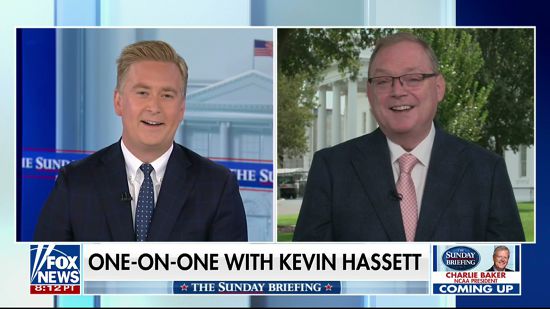
Diesel at Record Highs Amid Persistent Inflation Strains Households
Inflation remains high across sectors while diesel fuel prices hit record levels, raising costs for farmers, transportation, and consumers amid global supply tensions. Federal Reserve officials and administration figures offered competing assessments of economic conditions.
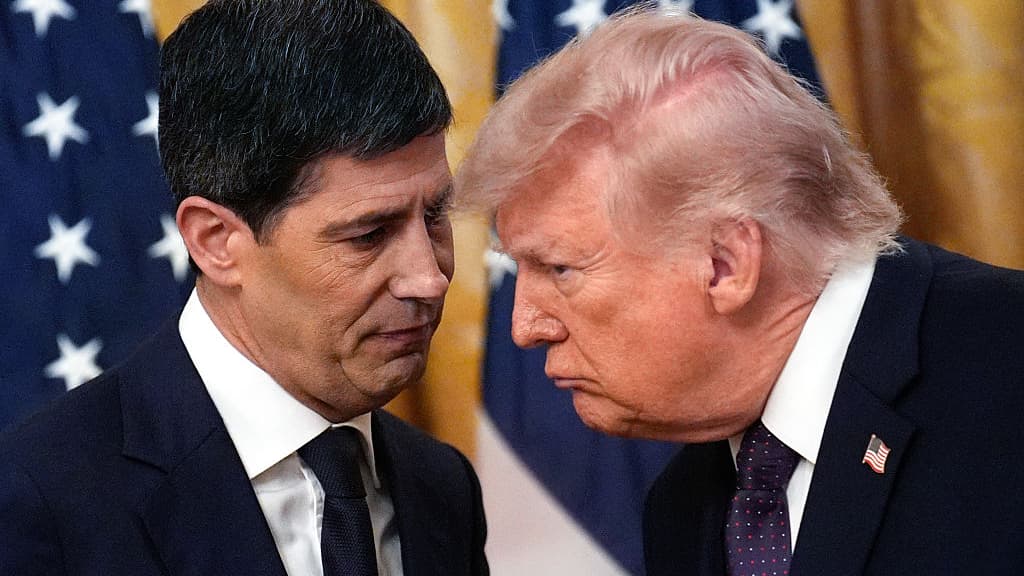
Fed Raises Rates 0.25 Points to Fight Inflation Despite Trump Pushback
The Federal Reserve hiked its benchmark rate by 0.25 points in a unanimous vote, its first since 2023, to combat inflation tied to energy shocks. President Trump publicly attacked the decision and called for cuts weeks before midterms.
The Compass
You just read five takes on one story.
What's your take? Find your political shape in a few minutes.
Take the test