
Paxton defeats Cornyn 64-36 in Texas Senate GOP runoff
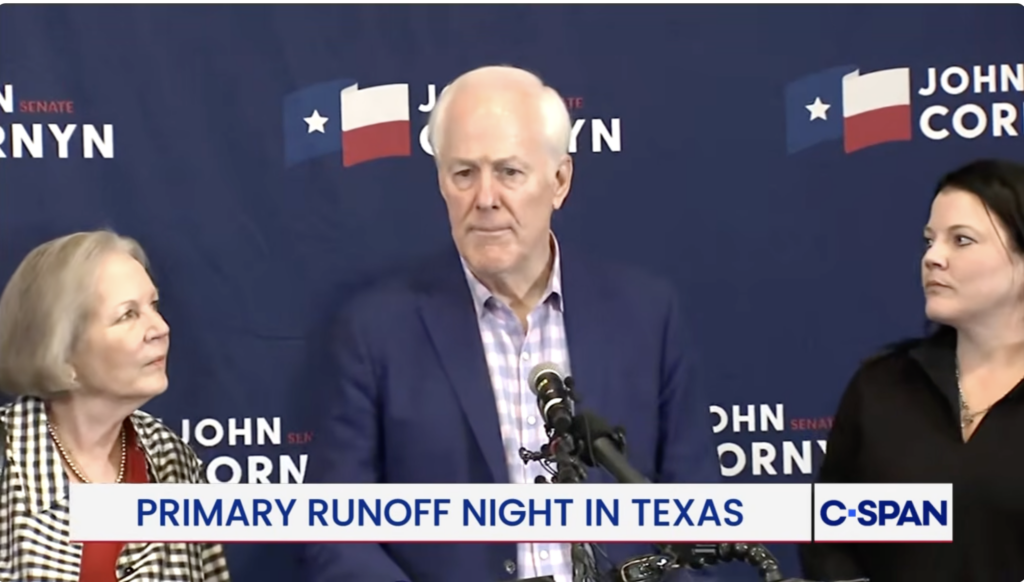
Cover image from thefederalist.com, which was analyzed for this article
Trump-endorsed Texas AG Ken Paxton defeated incumbent Sen. John Cornyn in the GOP Senate runoff with about 64% of the vote. The result solidifies Trump's influence over the Republican Party and sets up a November matchup against Democrat James Talarico.
PoliticalOS
Wednesday, May 27, 2026 — Politics
Paxton’s 28-point primary victory over a longtime incumbent demonstrates clear preference among participating Republican voters for the Trump-endorsed candidate. The same record that helped Paxton win the nomination leaves the November race against Talarico more financially and politically exposed than it would have been under Cornyn.
What outlets missed
Several outlets omitted county-level shifts showing Paxton’s gains after the Trump endorsement or the precise historical comparison that Cornyn’s 28-point loss was the widest primary defeat for a sitting senator since 1978. Coverage rarely noted that nonpartisan rating services kept the seat in the “Likely Republican” category after the primary. Few pieces examined Paxton’s pre-endorsement polling lead or the simultaneous Democratic primary results in redrawn Texas House districts.
Paxton Defeats Cornyn in Texas Senate Primary
Texas Attorney General Ken Paxton defeated four-term Senator John Cornyn in Tuesday’s Republican primary runoff, winning roughly 64 percent of the vote to Cornyn’s 36 percent. The outcome ends Cornyn’s Senate career after more than two decades and hands the Republican nomination to a candidate whose legal troubles and ethical allegations have drawn sustained attention from opponents and some party donors.
Paxton’s victory came one week after Donald Trump endorsed him, describing the attorney general as a “true MAGA warrior.” Paxton quickly credited the endorsement as the decisive factor, calling it “the most powerful force in politics.” The result fits a pattern in which Trump has successfully backed challengers against Republicans he views as insufficiently loyal, including recent contests in Louisiana, Kentucky and Indiana.
Cornyn had attempted to align himself more closely with Trump’s agenda in the months before the runoff, highlighting his votes on immigration and supporting certain procedural changes favored by the White House. Those adjustments did not overcome skepticism among primary voters who remembered Cornyn’s earlier hesitation about Trump’s political future and his measured style of legislating. The contest became the most expensive Senate primary in U.S. history, with more than $130 million spent by both sides.
Senate Republicans had viewed Cornyn as the stronger general-election candidate. They now face a November matchup between Paxton and Democratic state Representative James Talarico, a pastor and progressive legislator from the Austin area. Public polling conducted before the primary showed Talarico running closer to Paxton than to Cornyn. Paxton has already begun airing advertisements portraying Talarico as a left-wing extremist, while Talarico’s campaign has emphasized his record on public education and health care access.
The general election carries implications for Senate control. Republicans currently hold a narrow majority and are defending more seats than Democrats in November. Texas has not elected a Democratic senator since 1988, yet the state’s shifting demographics and Talarico’s fundraising strength have prompted some national Democratic strategists to treat the race as competitive. Republican leaders, including Senate Majority Leader John Thune, have signaled that additional resources will be required to defend the seat.
Paxton’s primary win also illustrates the continuing influence of Trump-aligned voters in Republican primaries even as the president’s overall favorability ratings remain mixed. Cornyn’s loss marks the first time a sitting Republican senator from Texas has been denied renomination, underscoring how primary voters have prioritized demonstrated alignment over institutional experience and fundraising capacity. The general-election contest will test whether that same coalition can hold together against a Democratic opponent who has drawn support from both progressive activists and some moderate donors.
You just read Liberal's take. Want to read what actually happened?
More in Politics
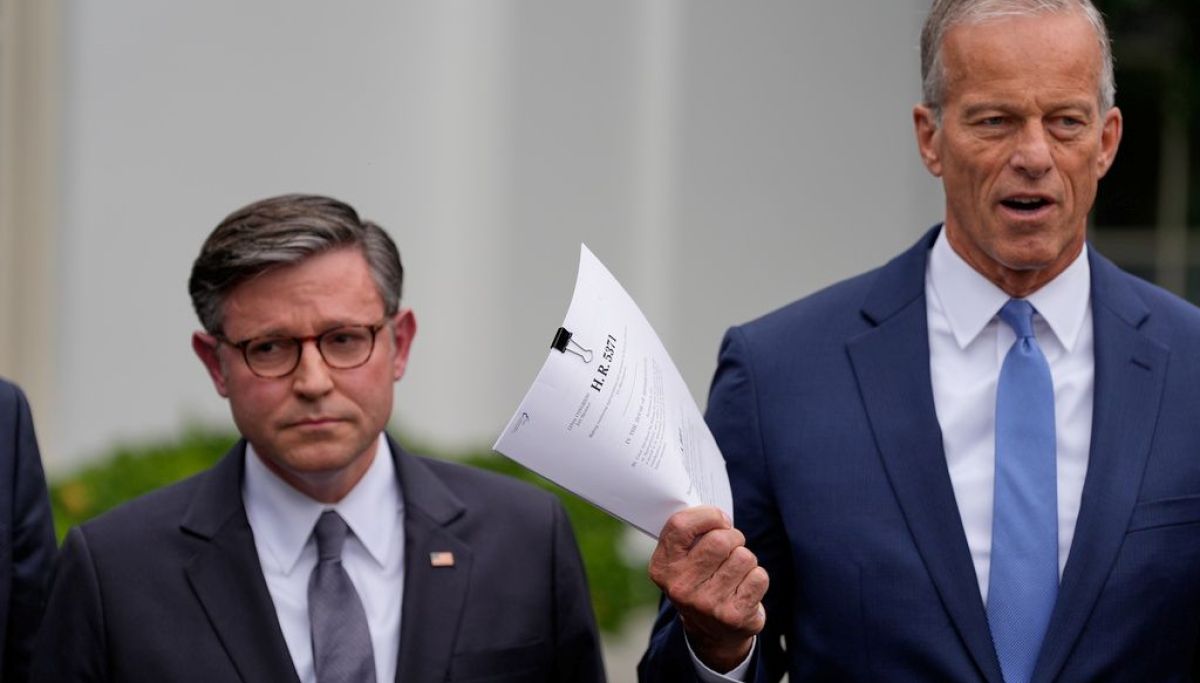
Trump at 32% Approval as Gas Prices Test GOP Midterm Hopes
NYT/Siena polling showed Trump's approval at historic lows around 32 percent with Democrats leading by double digits in key districts. Early voting has surged in battleground states.

Record Early Voting Hits Battlegrounds, Shifting Partisan Shares
AP analysis found hundreds of thousands more early ballots than in 2022 in states including Texas, Ohio, Kansas, Maine, and North Carolina, shifting partisan dynamics.
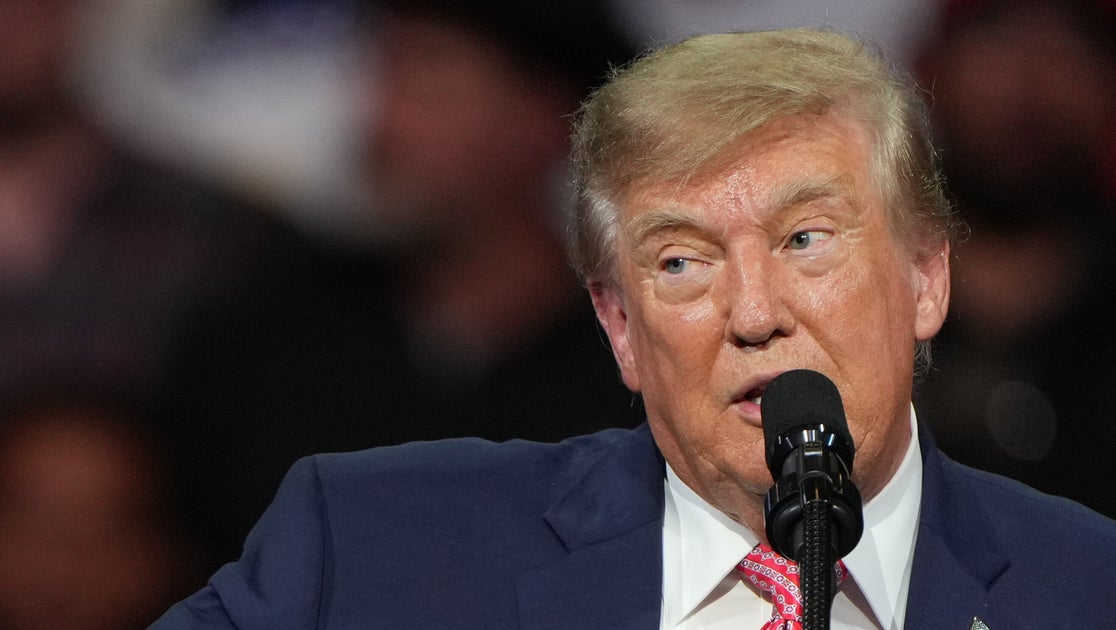
Trump Backs Marshall in Kansas Senate Race Tightened by Farm Costs
President Trump rallied in deep-red Kansas for GOP Sen. Roger Marshall in a competitive race, announcing an $8 billion farm fuel relief program amid high diesel prices. Democrats see an opening to end 94 years of GOP dominance in the state.

Trump Pauses Russia Sanctions Amid Ukraine Tensions and Missile Strikes
Trump waived sanctions on Russia and floated trilateral talks with Putin and Xi as part of ending the Ukraine war, while tensions rose with Zelenskyy over Starlink and arms. Bipartisan senators engaged Zelenskyy amid the shifts.
The Compass
You just read five takes on one story.
What's your take? Find your political shape in a few minutes.
Take the test