
Paxton Tops Cornyn in Texas GOP Senate Runoff
Cover image from washingtonexaminer.com, which was analyzed for this article
Trump-backed Texas AG Ken Paxton defeated Sen. John Cornyn in the Republican runoff, setting up a general election against Democrat James Talarico. The result underscores Trump's influence over the GOP.
PoliticalOS
Thursday, May 28, 2026 — Politics
Paxton’s nomination locks in a contest defined by his legal history and Trump alignment against Talarico’s fundraising and demographic outreach. The result tests whether primary voter preferences produce a November majority in a state that remains structurally Republican despite narrowing margins.
What outlets missed
Exact vote totals and turnout figures from the runoff were not reported in the supplied coverage. Cornyn’s public concession statement and any specific commitments from his donors were omitted. Broader Senate map implications, including how the Texas contest affects Republican resource allocation elsewhere, received little detail. Talarico’s legislative record beyond the 2021 comment was not examined. No outlet supplied independent verification of crossover voting estimates beyond the single unverified poll cited in one opinion piece.
Paxton's Victory Over Cornyn Marks Another Establishment Defeat in Texas
Ken Paxton secured the Republican nomination for U.S. Senate in Texas on Tuesday night, defeating longtime incumbent John Cornyn in a decisive runoff. The Texas attorney general's win came after a campaign that highlighted divisions between the party's base and its Washington leadership. With President Trump's endorsement arriving late in the contest, Paxton captured a clear majority and ended Cornyn's bid for a fifth term.
Cornyn had served in the Senate since 2002 and maintained strong support among many Republican voters for much of that time. He voted in line with Trump positions during the previous administration yet still faced a strong challenge from Paxton, who positioned himself as the more consistent outsider. Primary voters ultimately chose the attorney general by a wide margin after the initial March vote failed to produce a majority for either candidate.
Paxton's record includes multiple legal challenges over the years, including a securities fraud indictment that ended in a settlement and an impeachment attempt by the Texas House that resulted in acquittal by the state Senate. Supporters viewed these episodes as efforts by political opponents to sideline a figure who has aggressively pursued cases involving border security and election integrity. Critics from both parties have pointed to the same record as evidence of ethical lapses.
The outcome leaves Cornyn among a growing list of Republican officeholders who lost favor once they drew Trump's opposition or indifference. Similar dynamics appeared in earlier contests involving senators from Louisiana and Kentucky. Cornyn now joins other sidelined figures who may retain influence in the chamber until their terms conclude, potentially complicating legislative efforts on nominations and spending priorities.
On the Democratic side, state Representative James Talarico launched his general election campaign within hours of the runoff results. Talarico held a rally in Houston where he focused attacks on Paxton's legal history and called for voters to reject the Republican nominee. The Democratic candidate has drawn attention for his background as a former teacher and his relatively recent entry into statewide politics. Texas Democrats see the race as an opportunity in a state that has trended Republican for decades, though recent Senate contests have remained comfortably in GOP hands.
The Paxton-Cornyn contest also reflected broader tensions over immigration enforcement and federal spending. Paxton emphasized his office's lawsuits against Biden-era policies on the southern border, while Cornyn stressed his committee work on defense and infrastructure bills. Turnout in the runoff favored voters motivated by national issues rather than traditional state concerns.
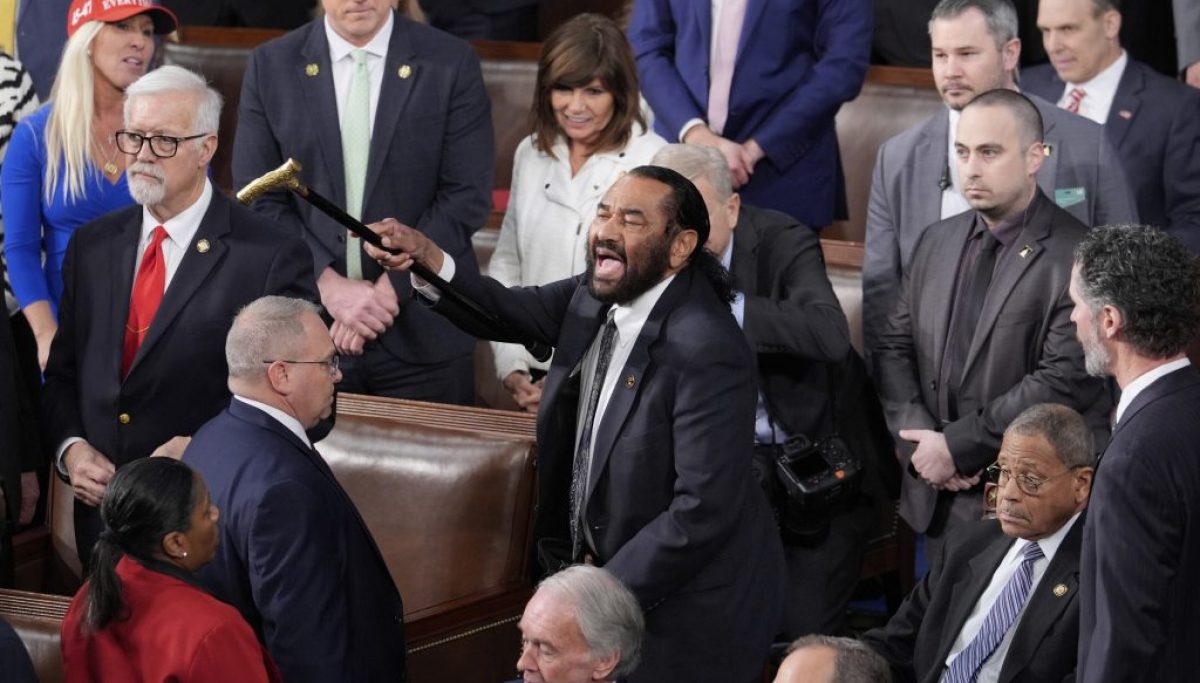
Redistricting changes in Texas have already produced other primary shifts, including an incumbent-versus-incumbent Democratic race in Houston's 18th District where Representative Al Green lost to a younger challenger. Those adjustments were driven by Republican state legislators seeking to protect House majorities, illustrating how map-drawing continues to shape contests at multiple levels.
Paxton's nomination sets up a fall campaign likely to feature sharp exchanges over prosecutorial decisions, federal investigations, and the direction of the Republican Party. Both sides have signaled they will frame the contest around questions of accountability and alignment with voter priorities on trade, energy, and cultural matters.
You just read America First's take. Want to read what actually happened?
More in Politics
Trump at 32% Approval as Gas Prices Test GOP Midterm Hopes
NYT/Siena polling showed Trump's approval at historic lows around 32 percent with Democrats leading by double digits in key districts. Early voting has surged in battleground states.

Record Early Voting Hits Battlegrounds, Shifting Partisan Shares
AP analysis found hundreds of thousands more early ballots than in 2022 in states including Texas, Ohio, Kansas, Maine, and North Carolina, shifting partisan dynamics.
Trump Backs Marshall in Kansas Senate Race Tightened by Farm Costs
President Trump rallied in deep-red Kansas for GOP Sen. Roger Marshall in a competitive race, announcing an $8 billion farm fuel relief program amid high diesel prices. Democrats see an opening to end 94 years of GOP dominance in the state.

Trump Pauses Russia Sanctions Amid Ukraine Tensions and Missile Strikes
Trump waived sanctions on Russia and floated trilateral talks with Putin and Xi as part of ending the Ukraine war, while tensions rose with Zelenskyy over Starlink and arms. Bipartisan senators engaged Zelenskyy amid the shifts.
The Compass
You just read five takes on one story.
What's your take? Find your political shape in a few minutes.
Take the test