
Paxton Tops Cornyn in Texas GOP Senate Runoff
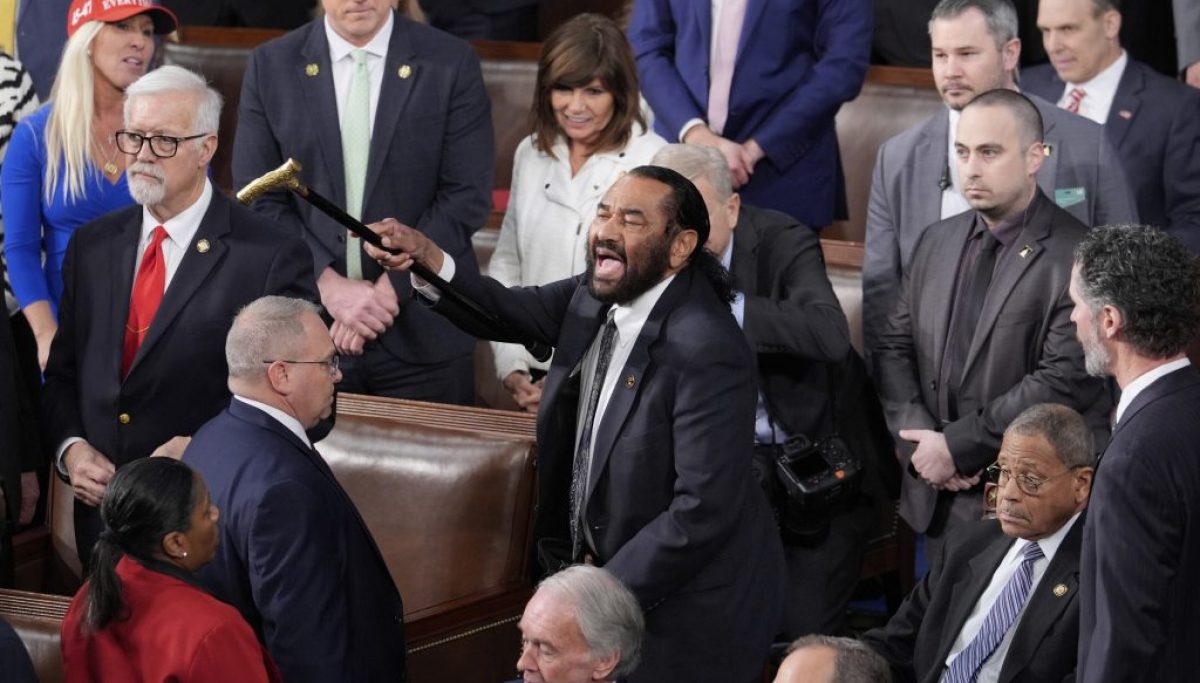
Cover image from washingtonexaminer.com, which was analyzed for this article
Trump-backed Texas AG Ken Paxton defeated Sen. John Cornyn in the Republican runoff, setting up a general election against Democrat James Talarico. The result underscores Trump's influence over the GOP.
PoliticalOS
Thursday, May 28, 2026 — Politics
Paxton’s nomination locks in a contest defined by his legal history and Trump alignment against Talarico’s fundraising and demographic outreach. The result tests whether primary voter preferences produce a November majority in a state that remains structurally Republican despite narrowing margins.
What outlets missed
Exact vote totals and turnout figures from the runoff were not reported in the supplied coverage. Cornyn’s public concession statement and any specific commitments from his donors were omitted. Broader Senate map implications, including how the Texas contest affects Republican resource allocation elsewhere, received little detail. Talarico’s legislative record beyond the 2021 comment was not examined. No outlet supplied independent verification of crossover voting estimates beyond the single unverified poll cited in one opinion piece.
Paxton's Texas Primary Win Tests Limits of Trump Loyalty in Senate Contests
Ken Paxton's decisive victory in the Texas Republican Senate primary runoff has locked in a general election matchup that highlights the trade-offs of a party system increasingly organized around personal allegiance to Donald Trump. The state attorney general defeated incumbent Senator John Cornyn by a wide margin on Tuesday, advancing to face Democratic state Representative James Talarico in November.
Paxton's path to the nomination relied on repeated demonstrations that he aligned more closely with Trump's priorities than Cornyn did, even though the incumbent had supported the president's agenda at high rates during his time in office. Trump withheld an early endorsement and ultimately backed Paxton late in the contest, a pattern that also appeared in other recent primaries where sitting Republicans faced challenges from more vocal Trump allies. Cornyn had maintained strong approval among Texas Republicans for years and had never lost an election in more than two decades of statewide service.
The result leaves Republicans with a nominee who carries significant liabilities. Paxton has faced multiple legal proceedings, including a securities fraud indictment that ended in a settlement and an impeachment by the Texas House that ended in acquittal by the state Senate. Those episodes have kept his unfavorable ratings elevated in general election surveys, a factor that could matter in a state where Democrats have steadily improved their performance in federal races over the past decade.
Talarico opened his campaign with events in Houston that focused on those vulnerabilities. He described the contest as a choice between accountability and repeated ethical issues, drawing large crowds that reflected Democratic interest in a candidate who combines legislative experience with a direct style. The race is already drawing national attention because control of the Senate could hinge on a handful of competitive states, and Texas remains more Republican than most targets but less so than in previous cycles.
Republican strategists note that replacing an incumbent with broad institutional support can create downstream effects. Cornyn's departure removes a reliable vote on procedural matters and leaves behind other senators who have expressed frustration with similar primary challenges. Figures such as Rand Paul, Thom Tillis and Bill Cassidy have already signaled willingness to diverge from the White House on specific items, including nominations and spending measures. Their leverage could increase if the incoming class includes additional members elected through comparable intraparty dynamics.
Democrats face their own adjustments. In a separate Texas contest, Representative Al Green lost a redrawn district primary to a younger challenger backed by outside spending, underscoring the party's parallel push for newer candidates. The national environment remains shaped by Trump's second term, yet polling indicates many Democratic voters want emphasis on forward-looking priorities rather than sustained focus on the former president.
The Texas Senate race will test whether a candidate defined by alignment with the president can consolidate support in a state that has grown more diverse and suburban. Early advertising and polling will clarify whether Paxton's primary strength translates into the broader electorate or whether the accumulated questions about his record limit his ceiling. For now, the outcome illustrates how nomination contests centered on personal loyalty can reorder Senate maps in ways that affect both parties' legislative flexibility after Election Day.
You just read Liberal's take. Want to read what actually happened?
More in Politics
Trump at 32% Approval as Gas Prices Test GOP Midterm Hopes
NYT/Siena polling showed Trump's approval at historic lows around 32 percent with Democrats leading by double digits in key districts. Early voting has surged in battleground states.

Record Early Voting Hits Battlegrounds, Shifting Partisan Shares
AP analysis found hundreds of thousands more early ballots than in 2022 in states including Texas, Ohio, Kansas, Maine, and North Carolina, shifting partisan dynamics.
Trump Backs Marshall in Kansas Senate Race Tightened by Farm Costs
President Trump rallied in deep-red Kansas for GOP Sen. Roger Marshall in a competitive race, announcing an $8 billion farm fuel relief program amid high diesel prices. Democrats see an opening to end 94 years of GOP dominance in the state.

Trump Pauses Russia Sanctions Amid Ukraine Tensions and Missile Strikes
Trump waived sanctions on Russia and floated trilateral talks with Putin and Xi as part of ending the Ukraine war, while tensions rose with Zelenskyy over Starlink and arms. Bipartisan senators engaged Zelenskyy amid the shifts.
The Compass
You just read five takes on one story.
What's your take? Find your political shape in a few minutes.
Take the test