
Hegseth Faces Sharp Questions on $25B Iran Costs as War Powers Deadline Nears

Cover image from foxnews.com, which was analyzed for this article
Defense Secretary Pete Hegseth endured sharp questioning from lawmakers on the Iran war's mounting costs, now totaling billions, the impending 60-day war powers deadline, and his decisions like firing senior officers. Critics highlighted falsehoods and combative responses during House and upcoming Senate hearings. The testimony underscores partisan divides over the blockade's effectiveness and future funding.
PoliticalOS
Thursday, April 30, 2026 — Politics
The congressional hearings expose a core unresolved tension: whether the administration's Iran strategy of strikes, ceasefire and ongoing blockade justifies $25 billion in costs and leadership upheaval at the Pentagon before the War Powers clock runs out on May 1. Lawmakers on both sides are demanding measurable objectives and an exit path, not rhetoric. Readers should recognize that claims unique to one outlet, such as specific unverified quotes or casualty details, could not be independently corroborated across reporting.
What outlets missed
Most coverage omitted the conflicting U.S. intelligence assessments from 2025 on damage to Iran's nuclear program, with the CIA estimating years-long setbacks while a DIA report suggested only months; this dispute directly fueled Rep. Adam Smith's questioning of shifting rationales. Outlets also underplayed specific U.S. military casualties, reported at 13 in some accounts, and gave little attention to the full scope of Pentagon leadership changes beyond a few names. The precise sequence of the April 8 ceasefire, which paused direct strikes but left the U.S. naval blockade in place, was missing from several previews that continued to describe an active "war" entering its 59th day. Finally, Iranian civilian toll estimates around 10,000 total deaths received almost no mention, narrowing the story to domestic political theater.
Hegseth Struggles to Defend Iran War as Costs Explode and Constitutional Deadline Hits
WASHINGTON – Defense Secretary Pete Hegseth heads into the Senate Armed Services Committee on Thursday already bloodied from a combative House hearing the day before, where he repeatedly dodged basic questions about the administration’s war in Iran as the conflict hits its 59th day and the $25 billion price tag to American taxpayers continues climbing.
The hearing, nominally about the Pentagon’s eye-watering $1.5 trillion budget request for next year, has instead laid bare the growing discomfort even among some Republicans over a military campaign launched without explicit congressional approval. Under the 1973 War Powers Resolution, President Trump was required to notify Congress within 48 hours of the late February strikes. The law prohibits sustained operations beyond 60 days without legislative buy-in. That deadline arrives Friday, raising fresh questions about whether the administration believes the Constitution’s war powers still apply or whether endless conflict in the Middle East has simply become standard operating procedure in Washington.
Hegseth’s performance Wednesday before the House Armed Services Committee did little to reassure skeptics. When pressed by Rep. Adam Smith, the top Democrat on the panel, about the Pentagon’s actual strategy now that the Strait of Hormuz remains blocked, oil prices have spiked, and the Iranian nuclear program has not been eliminated, Hegseth responded with familiar rhetoric about “staring down enemies” and past administrations cutting “bad deals.” Smith kept interrupting with the same straightforward question: What is the plan? Hegseth never gave a clear answer.
Instead the secretary lashed out at his critics, declaring that “the biggest adversary we face at this point are the reckless, feckless and defeatist words of congressional Democrats and some Republicans.” The remark landed poorly with lawmakers who noted six American service members have already been killed. Rep. Pat Ryan, a West Point graduate from New York, said Hegseth could not even answer basic questions about those deaths. Other moments revealed a man visibly rattled by follow-ups. When asked about the bombing of a school that killed children and about the rapid depletion of U.S. munitions stockpiles, Hegseth grew defensive, at times scornful. One lawmaker described it as a dramatic unraveling.
Even some Republicans broke ranks. Rep. Jen Kiggans of Virginia, whose district includes major Navy installations, pressed Hegseth on the abrupt dismissal of Navy Secretary John Phelan. The broader budget discussion also highlighted worries that America is burning through precision weapons faster than it can replace them while China watches and waits.
The situation on the ground remains grim. Iran’s new supreme leader, Mojtaba Khamenei, released a statement Thursday vowing to protect the country’s nuclear and missile programs as “national assets.” He declared that foreigners have “no place in the Persian Gulf except at the bottom of its waters.” The blockade of the strait has sent global energy markets into turmoil, hammering American consumers already squeezed by inflation. Diplomacy appears stalled. The war that began with targeted strikes to supposedly neutralize a nuclear threat has now become a wider conflict with no obvious off-ramp.
Independent Sen. Angus King of Maine, a member of the Senate Armed Services Committee, signaled he intends to press Hegseth on precisely these points. King has long warned about the dangers of presidents treating the War Powers Resolution as optional. His questions are expected to focus on costs, timelines, munitions shortages, and whether the administration has any realistic plan to extricate the United States without handing a victory to Tehran or requiring a massive new commitment of American forces.
Senate Republicans, led by Chairman Roger Wicker of Mississippi, will likely emphasize the need to use the massive budget request to rebuild domestic manufacturing and restock the arsenal. They argue the conflict proves the urgency of reindustrializing America’s defense base. Yet even some in the GOP are showing private unease about the length of the operation and the precedent of bypassing Congress yet again.
This episode exposes a deeper problem in Washington: the country keeps getting pulled into Middle East wars that devour treasure, erode readiness, and deliver uncertain strategic gains. For all the tough talk about confronting adversaries, the inability of senior officials to answer simple questions about objectives and exit strategies should concern every American who remembers the last two decades of conflict. Whether the Senate hearing produces clearer answers or simply more finger-pointing remains to be seen. What is already obvious is that the price, both financial and constitutional, is rising fast.
You just read America First's take. Want to read what actually happened?
More in Politics
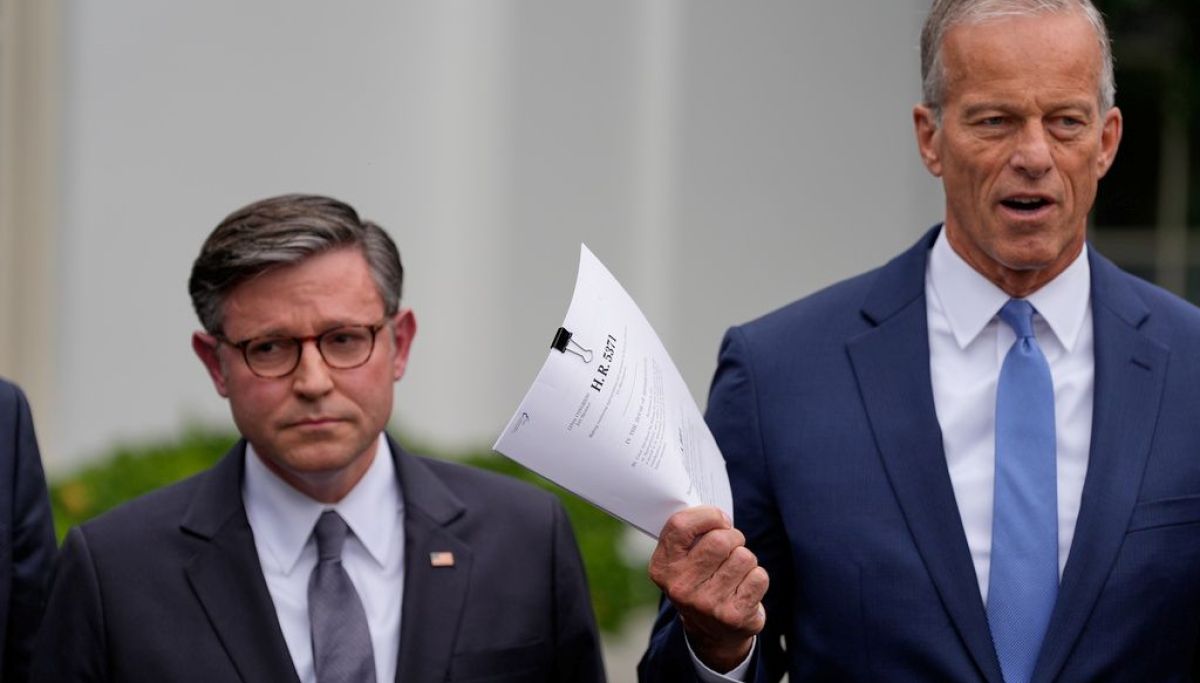
Trump at 32% Approval as Gas Prices Test GOP Midterm Hopes
NYT/Siena polling showed Trump's approval at historic lows around 32 percent with Democrats leading by double digits in key districts. Early voting has surged in battleground states.

Record Early Voting Hits Battlegrounds, Shifting Partisan Shares
AP analysis found hundreds of thousands more early ballots than in 2022 in states including Texas, Ohio, Kansas, Maine, and North Carolina, shifting partisan dynamics.
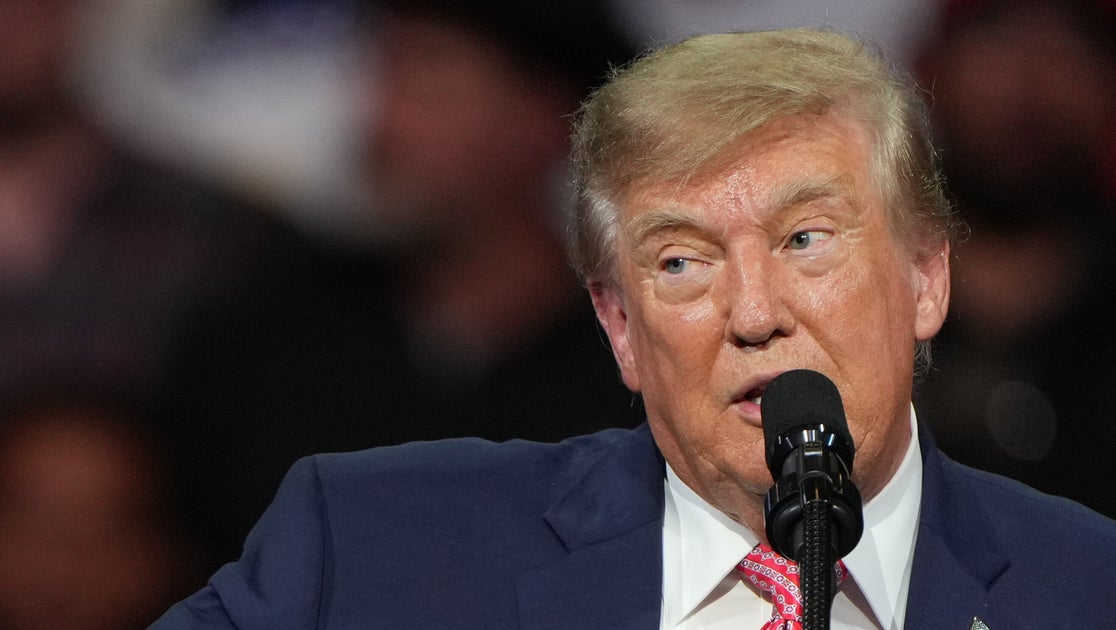
Trump Backs Marshall in Kansas Senate Race Tightened by Farm Costs
President Trump rallied in deep-red Kansas for GOP Sen. Roger Marshall in a competitive race, announcing an $8 billion farm fuel relief program amid high diesel prices. Democrats see an opening to end 94 years of GOP dominance in the state.

Trump Pauses Russia Sanctions Amid Ukraine Tensions and Missile Strikes
Trump waived sanctions on Russia and floated trilateral talks with Putin and Xi as part of ending the Ukraine war, while tensions rose with Zelenskyy over Starlink and arms. Bipartisan senators engaged Zelenskyy amid the shifts.
The Compass
You just read five takes on one story.
What's your take? Find your political shape in a few minutes.
Take the test