
Hegseth Faces Sharp Questions on $25B Iran Costs as War Powers Deadline Nears

Cover image from foxnews.com, which was analyzed for this article
Defense Secretary Pete Hegseth endured sharp questioning from lawmakers on the Iran war's mounting costs, now totaling billions, the impending 60-day war powers deadline, and his decisions like firing senior officers. Critics highlighted falsehoods and combative responses during House and upcoming Senate hearings. The testimony underscores partisan divides over the blockade's effectiveness and future funding.
PoliticalOS
Thursday, April 30, 2026 — Politics
The congressional hearings expose a core unresolved tension: whether the administration's Iran strategy of strikes, ceasefire and ongoing blockade justifies $25 billion in costs and leadership upheaval at the Pentagon before the War Powers clock runs out on May 1. Lawmakers on both sides are demanding measurable objectives and an exit path, not rhetoric. Readers should recognize that claims unique to one outlet, such as specific unverified quotes or casualty details, could not be independently corroborated across reporting.
What outlets missed
Most coverage omitted the conflicting U.S. intelligence assessments from 2025 on damage to Iran's nuclear program, with the CIA estimating years-long setbacks while a DIA report suggested only months; this dispute directly fueled Rep. Adam Smith's questioning of shifting rationales. Outlets also underplayed specific U.S. military casualties, reported at 13 in some accounts, and gave little attention to the full scope of Pentagon leadership changes beyond a few names. The precise sequence of the April 8 ceasefire, which paused direct strikes but left the U.S. naval blockade in place, was missing from several previews that continued to describe an active "war" entering its 59th day. Finally, Iranian civilian toll estimates around 10,000 total deaths received almost no mention, narrowing the story to domestic political theater.
Hegseth Braces for Senate Questions as Iran Conflict Tests Limits of Presidential Power
Defense Secretary Pete Hegseth enters the Senate Armed Services Committee on Thursday facing an even more skeptical audience than the one that watched him unravel in the House the day before. The hearing, nominally about the Pentagon’s proposed $1.5 trillion budget for fiscal 2027, arrives at a pivotal moment. Thursday marks the 59th day of U.S. military operations against Iran, one day before the 60-day clock under the 1973 War Powers Resolution expires. That deadline, ignored by presidents of both parties for decades, now carries unusual weight because the conflict has already cost taxpayers $25 billion, depleted critical munitions stocks, and produced no clear path to resolution.
Hegseth’s appearance before the House Armed Services Committee on Wednesday offered a preview of the administration’s posture. He was combative, at times openly contemptuous of lawmakers who pressed him on basic questions of strategy and accountability. When Rep. Adam Smith, a Washington Democrat, repeatedly asked what the plan was now that the Strait of Hormuz remains contested, Iranian nuclear capabilities remain intact, and the regional economy is reeling, Hegseth dismissed the premise of the question and pivoted to praise of President Trump’s courage. He eventually declared that “the biggest adversary we face at this point are the reckless, feckless and defeatist words of congressional Democrats and some Republicans.” The remark drew sharp rebukes even from some Republicans and veterans on the committee, including Rep. Pat Ryan of New York, a West Point graduate, who noted that Hegseth had refused to give straight answers about the deaths of six Americans in the conflict.
The tone suggested a Defense Secretary more focused on maintaining favor with the Oval Office than on providing Congress with the detailed oversight that statute and precedent require. Multiple lawmakers highlighted the strike on a school that killed children, the rapid drawdown of precision-guided munitions, and the shifting public justifications for a campaign that began with airstrikes in late February. Those strikes, launched without prior congressional authorization, were framed initially as necessary to prevent an imminent Iranian nuclear breakout. Yet the administration has since broadened its aims while diplomacy with Tehran has stalled.
Iran’s new supreme leader, Ayatollah Mojtaba Khamenei, responded Wednesday with a written statement read on state television. He pledged that Iran would safeguard its “nuclear and missile capabilities” as national assets and warned that foreigners operating in the Persian Gulf “have no place in it except at the bottom of its waters.” The statement, issued while oil prices remain volatile and global shipping routes are disrupted, underscored the risk of prolonged escalation. Tehran has not backed down; if anything, the regime appears to be digging in, calculating that American domestic divisions will limit Washington’s staying power.
Independent Sen. Angus King of Maine, who caucuses with Democrats, previewed the questions he intends to pose to Hegseth and Joint Chiefs Chairman Gen. Dan Caine. King has long emphasized constitutional war powers and strategic coherence. He is expected to press for a clear articulation of success metrics, an assessment of how the campaign has affected Iran’s nuclear timeline, and an accounting of the opportunity costs to U.S. readiness elsewhere, particularly in the Indo-Pacific. The Maine senator’s line of inquiry reflects a broader institutional anxiety: that once again a president has initiated sustained combat operations without the meaningful consent of the legislative branch that the Constitution assigns the power to declare war.
Some Republicans on the Senate panel, including Chairman Roger Wicker of Mississippi, are likely to focus on the budget’s domestic manufacturing provisions and the need to replenish stockpiles. Yet even within the GOP there are signs of unease about both the war’s duration and its mounting price tag. The House hearing revealed cracks in what had been largely unified Republican support. Rep. Jen Kiggans of Virginia, whose district includes major naval installations, questioned Hegseth about the abrupt dismissal of Navy Secretary John Phelan. The exchange hinted at deeper tensions over personnel decisions and strategic drift.
The larger story is one of eroded norms and deferred accountability. The War Powers Resolution has rarely functioned as its authors intended, but the current conflict tests it under unusually fraught conditions: a polarized Congress, an administration that treats criticism as disloyalty, and an adversary that views American political division as a strategic gift. The $25 billion figure cited by the Pentagon does not include long-term costs of munitions replacement, potential veteran care, or the economic damage from higher energy prices. Nor does it capture the human toll on both sides or the strategic setback if Iran ultimately accelerates rather than abandons its nuclear ambitions.
Hegseth’s defenders argue that the strikes were necessary to counter a genuine threat and that congressional second-guessing only emboldens Tehran. His critics counter that launching a major conflict without a coherent plan, adequate consultation, or realistic benchmarks represents precisely the kind of executive overreach the War Powers Resolution was written to constrain. Thursday’s hearing will not resolve that debate. But the questions posed by senators like King may at least force the administration to articulate, on the record, what victory would look like and how it intends to achieve it before the constitutional deadline forces Congress to choose between formal authorization and tacit acceptance of indefinite presidential war-making.
The stakes extend beyond Iran. How lawmakers respond in the coming days will shape expectations for future conflicts and the balance of power between branches of government. A legislature that cannot summon the will to debate and vote on whether American forces remain engaged in a costly war signals to both allies and adversaries that domestic politics, not strategic logic, now drives U.S. commitments abroad. Hegseth may deflect and attack his critics again on Thursday. The more important question is whether the Senate will accept that performance or insist on the substantive answers that effective oversight demands.
You just read Liberal's take. Want to read what actually happened?
More in Politics
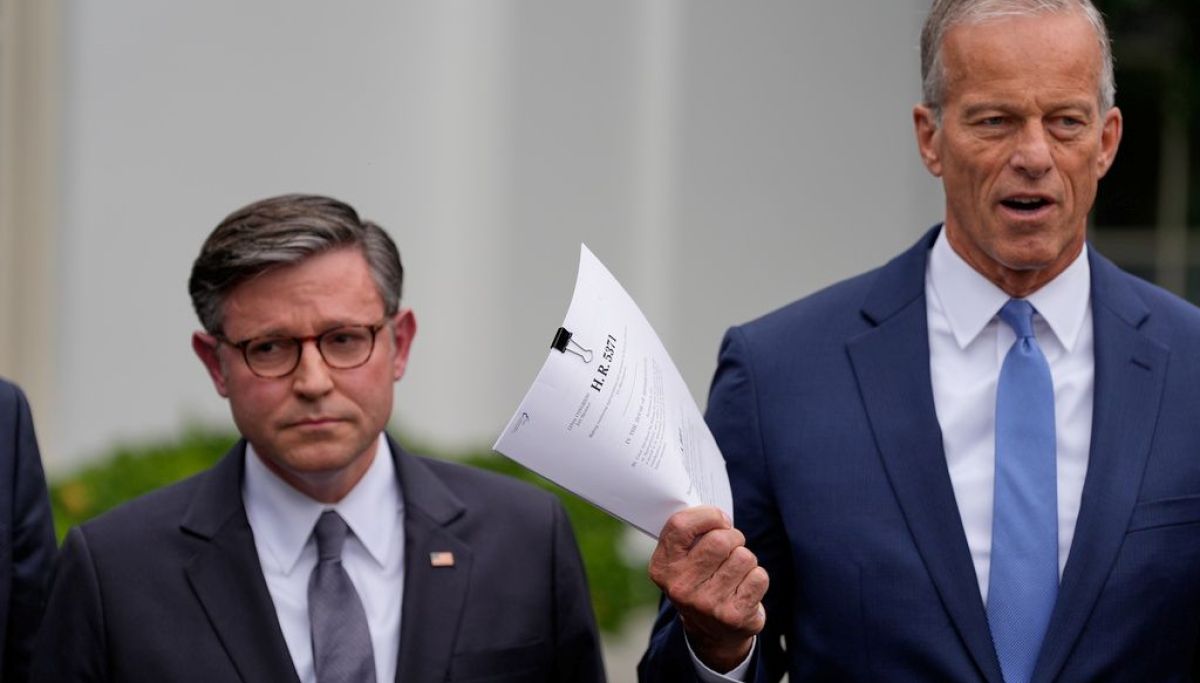
Trump at 32% Approval as Gas Prices Test GOP Midterm Hopes
NYT/Siena polling showed Trump's approval at historic lows around 32 percent with Democrats leading by double digits in key districts. Early voting has surged in battleground states.

Record Early Voting Hits Battlegrounds, Shifting Partisan Shares
AP analysis found hundreds of thousands more early ballots than in 2022 in states including Texas, Ohio, Kansas, Maine, and North Carolina, shifting partisan dynamics.
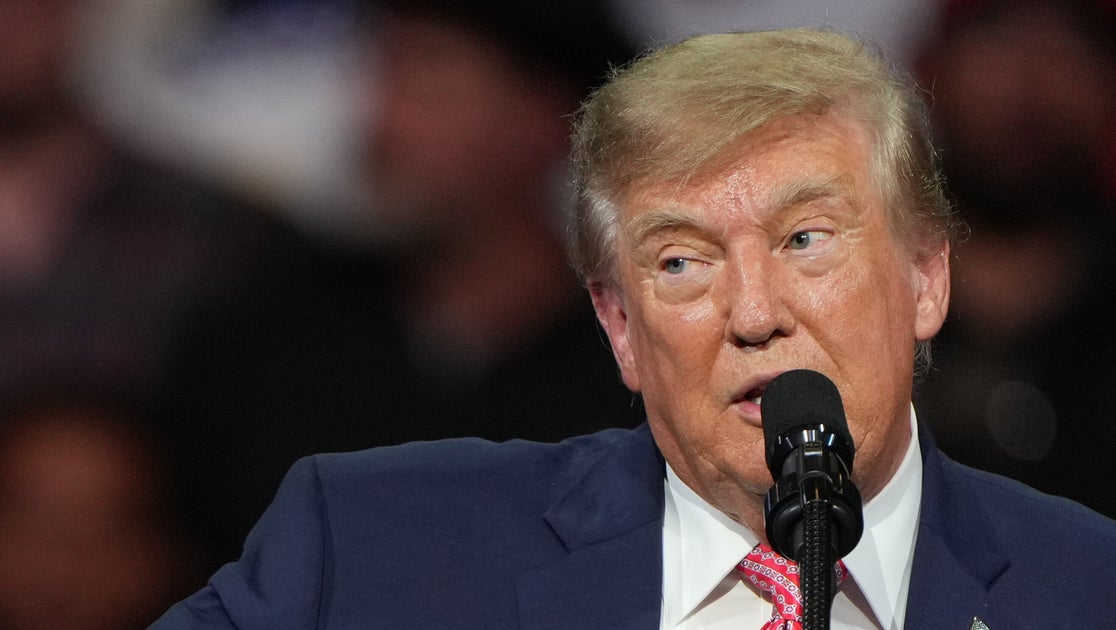
Trump Backs Marshall in Kansas Senate Race Tightened by Farm Costs
President Trump rallied in deep-red Kansas for GOP Sen. Roger Marshall in a competitive race, announcing an $8 billion farm fuel relief program amid high diesel prices. Democrats see an opening to end 94 years of GOP dominance in the state.

Trump Pauses Russia Sanctions Amid Ukraine Tensions and Missile Strikes
Trump waived sanctions on Russia and floated trilateral talks with Putin and Xi as part of ending the Ukraine war, while tensions rose with Zelenskyy over Starlink and arms. Bipartisan senators engaged Zelenskyy amid the shifts.
The Compass
You just read five takes on one story.
What's your take? Find your political shape in a few minutes.
Take the test