
Hegseth Defends Iran War Strategy as Senate Grills Him on Costs, Firings and Legality

Cover image from salon.com, which was analyzed for this article
Defense Secretary Pete Hegseth testified before the Senate on Iran operations, facing questions on civilian casualties, controversial comments, and military ideology. He clashed with senators like Elizabeth Warren while defending the blockade strategy. Confirmation prospects remain uncertain amid partisan divides.
PoliticalOS
Friday, May 1, 2026 — Politics
The Senate hearing laid bare partisan rifts over an Iran campaign now two months old, with Democrats demanding precise figures on costs already at $25 billion, clearer legal justification under War Powers, and explanations for multiple senior military firings. Republicans largely affirmed the goal of blocking Iranian nuclear weapons and accepted the administration's claim that a ceasefire paused the 60-day clock. The single most important reality is that Congress has yet to formally authorize the operation, leaving its long-term footing uncertain even as casualties mount and global economic ripples continue.
What outlets missed
Most coverage omitted the precise timeline: strikes began February 28, notification to Congress came March 2, and the ceasefire started April 7-8 with no further exchanges of fire. Outlets downplayed or ignored the $1.5 trillion supplemental defense budget request that formed a major part of both House and Senate hearings. Verified U.S. casualties, cited by Sen. Reed as 13 killed and more than 400 injured, appeared in only a few transcripts yet were absent from Salon, Western Journal and one Independent piece. Reporting also underplayed bipartisan agreement on the Iranian nuclear threat even amid clashes, and failed to note that many of the same Democratic senators had previously voted to confirm Hegseth or his predecessors. Finally, claims of specific war crimes or 200 deaths in Caribbean operations surfaced in only one source and could not be independently verified.
Hegseth Defends Iran Ceasefire and Hammers Defeatist Critics in Senate Grilling
Defense Secretary Pete Hegseth appeared before the Senate Armed Services Committee on Thursday and made clear that President Donald Trump's decisive action against Iran has not dragged the United States into another forever war favored by the Washington establishment. In a hearing that exposed the partisan fault lines in Congress, Hegseth argued that a ceasefire now in place has effectively paused the 60-day clock under the War Powers Resolution, pushing back against Democratic attempts to paint the administration as lawless and reckless.
The testimony came one day after a similarly tense session before the House, where Hegseth faced accusations that the conflict, launched with strikes on March 2, had become a quagmire. Thursday's session revealed growing fractures even among some Republicans uneasy with the pace of change at the Pentagon, but Hegseth remained unapologetic. He repeatedly praised Trump's courage in confronting the threat of a nuclear-armed Iran, insisting that any price paid was worth preventing a radical regime from obtaining the ultimate weapon.
"We are in a ceasefire right now, which our understanding means the 60-day clock pauses or stops in a ceasefire," Hegseth told senators. That drew an immediate challenge from Sen. Tim Kaine, a Virginia Democrat, who claimed the statute offered no such flexibility and that the deadline loomed as soon as Friday. The decades-old War Powers Resolution, passed over President Nixon's veto in 1973, has long been a source of tension between branches of government. Successive administrations of both parties have treated its constraints as flexible at best. The senior Trump official emphasized that active hostilities with Iran ended weeks ago, with a ceasefire holding since early April even as diplomatic efforts for a lasting agreement continue.
The Strait of Hormuz remains a point of economic pressure, with global energy flows disrupted and costs rippling out to American families at the gas pump and grocery store. Yet Hegseth and administration allies framed this as the necessary cost of confronting Tehran, not the endless entanglement critics describe. Democrats, predictably, focused on projected costs, possible duration, and wild hypotheticals about using troops at polling stations during upcoming midterms. Sen. Elissa Slotkin of Michigan pressed Hegseth on the latter, an idea floated in some circles as a safeguard against election interference but seized upon by opponents as evidence of militarized overreach.
Hegseth's responses grew sharper as the hearing progressed. When Sen. Elizabeth Warren of Massachusetts raised unproven allegations of personal financial gain tied to defense stocks ahead of the conflict, the secretary cut her off without hesitation. "That entire story is false, has been from the beginning, and was made up out of whole cloth," he said. Hegseth rejected any suggestion he had profited from the conflict, reminding the committee that his motivation was service, not self-enrichment. "I don't do it for the money. I don't do it for profit. I don't do it for stocks," he added. "No one owns me. No one owns this department. No one owns this president."
The exchange went viral for good reason. It crystallized the contrast between a battle-tested former Fox News host now leading the Pentagon and career politicians who seem more comfortable lecturing the military than supporting its mission. Warren's line of questioning fit a pattern of personal attacks that have dogged Hegseth since his confirmation, often amplified by outlets eager to undermine the Trump administration at every turn.
Separate concerns surfaced about Hegseth's overhaul of military leadership. Since taking charge, he has dismissed, retired, or reassigned roughly a dozen senior figures, including the first female commandant of the Coast Guard, the head of the Army's Chaplain Corps, and a four-star general in charge of transformation and training. The most jarring move for some Republicans was the firing of Army Chief of Staff Gen. Randy George amid the Iran campaign. House Armed Services Committee Chairman Mike Rogers, a conservative from Alabama, has expressed private unease, according to sources familiar with GOP discussions. Critics call the pace unusual and ideological. Supporters counter that the Pentagon desperately needed fresh thinking after years of "woke" indoctrination, recruitment crises, and strategic failures that left America vulnerable.
Hegseth did not shy from the broader strategic picture. He accused "defeatist Democrats" of prioritizing process over victory and of undermining morale by questioning the mission. Sen. Jack Reed of Rhode Island, the top Democrat on the committee, claimed Trump had "no coherent strategy" and that the United States now occupied a "worse strategic position" with damaged bases, lost munitions, and higher global fuel prices. Hegseth rejected the narrative, arguing that allowing Iran to cross the nuclear threshold would have invited far greater costs down the road.
The hearing underscored deeper tensions. A protester briefly interrupted Hegseth's opening statement, calling him a war criminal before being removed. Such theatrics have become routine whenever the administration defends its America First agenda. Meanwhile, the Nation and other left-leaning outlets have tried to tie the moment to larger conspiracy theories about science, law, and authoritarianism, but those claims ring hollow to anyone watching the actual exchange of ideas on Capitol Hill.
What emerged from the Senate chamber was a defense secretary willing to speak plainly about the stakes. The Trump administration acted to neutralize a genuine threat. A ceasefire holds. Talks continue. And while Democrats and their media allies obsess over legal technicalities and personnel changes, the American people understand the simple truth: weakness invites aggression. Hegseth's performance, though combative, reinforced that the Pentagon under his watch will not bend to political pressure or return to the failed policies of previous decades. Whether that satisfies institutional Washington matters less than whether it protects the country from real enemies abroad.
You just read America First's take. Want to read what actually happened?
More in Politics

Trump Defends Ramaswamy Ad Using Estranged Mother in Ohio Race
President Trump defended a GOP nominee's ad featuring a Democratic opponent's estranged mother, calling it powerful, while drawing criticism from some Republicans including Ohio Gov. Mike DeWine. The ad has sparked internal GOP tensions ahead of midterms.
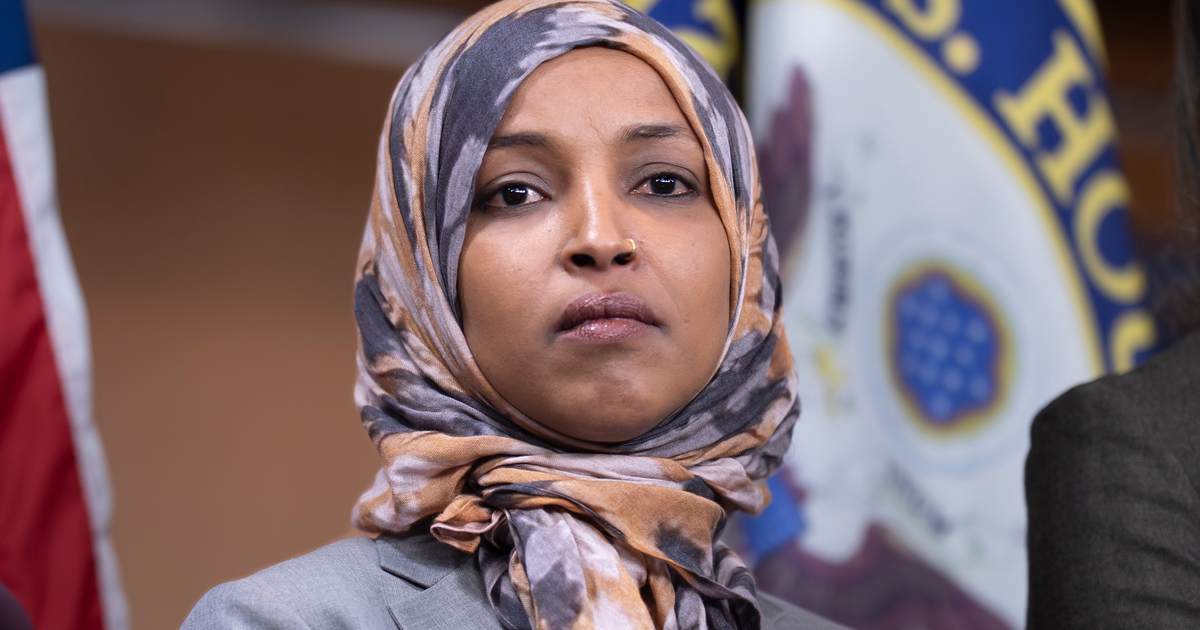
Federal Raid Targets Omar Amid Unresolved Name and Marriage Allegations
Agents searched Rep. Ilhan Omar's DC residence over immigration fraud allegations; she called it bizarre. Reports and commentary questioned her birth name and past marriage details.

Supreme Court Upholds New Hampshire Student ID Voting Ban
The Supreme Court upheld New Hampshire's ban on student IDs as valid voter identification just before midterms, affecting a tight Senate race.
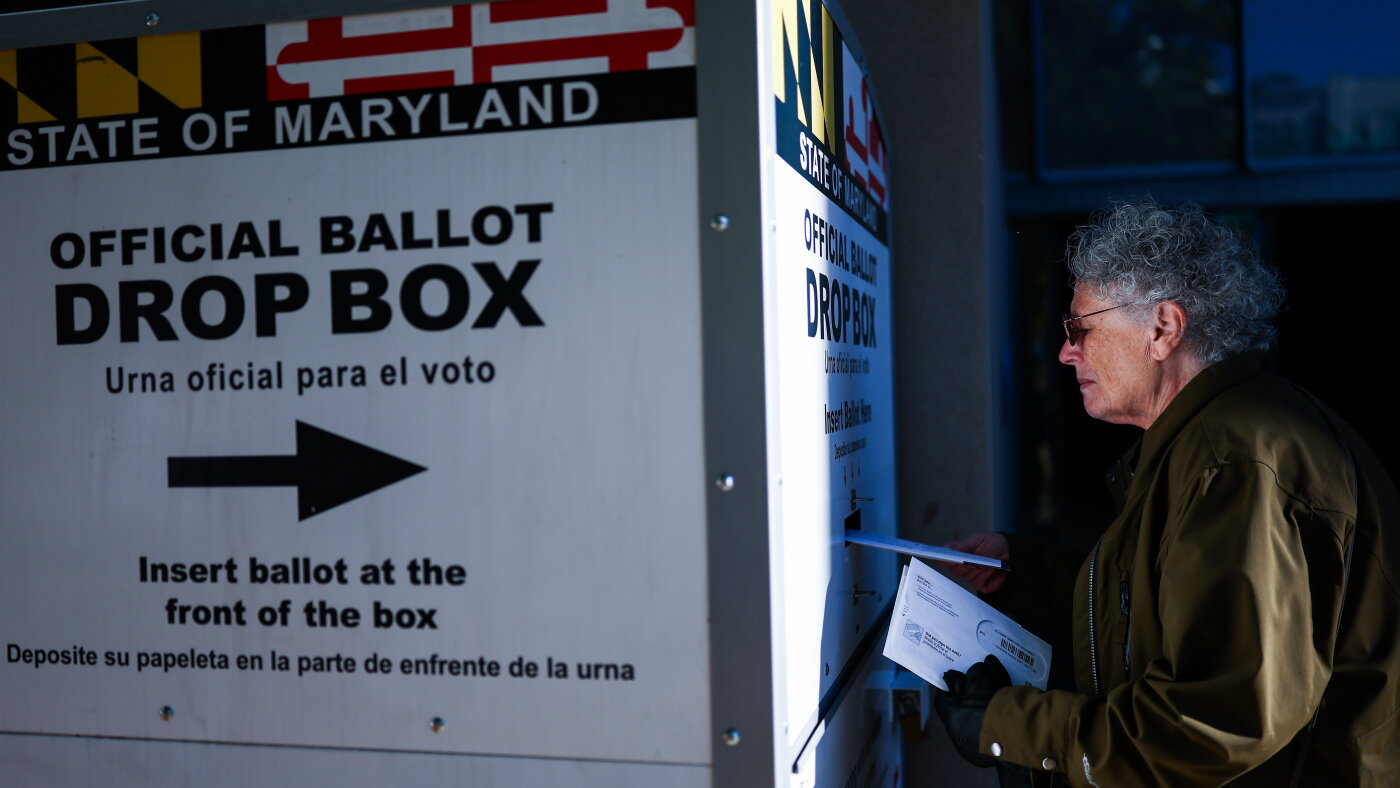
Early Voting Hits 21 Million as Most Trust Midterm Accuracy
Millions have already voted early as parties make final appeals amid $1.4 billion in ad spending; polls show confidence in election accuracy.
The Compass
You just read five takes on one story.
What's your take? Find your political shape in a few minutes.
Take the test