
Hegseth Defends Iran War Strategy as Senate Grills Him on Costs, Firings and Legality

Cover image from salon.com, which was analyzed for this article
Defense Secretary Pete Hegseth testified before the Senate on Iran operations, facing questions on civilian casualties, controversial comments, and military ideology. He clashed with senators like Elizabeth Warren while defending the blockade strategy. Confirmation prospects remain uncertain amid partisan divides.
PoliticalOS
Friday, May 1, 2026 — Politics
The Senate hearing laid bare partisan rifts over an Iran campaign now two months old, with Democrats demanding precise figures on costs already at $25 billion, clearer legal justification under War Powers, and explanations for multiple senior military firings. Republicans largely affirmed the goal of blocking Iranian nuclear weapons and accepted the administration's claim that a ceasefire paused the 60-day clock. The single most important reality is that Congress has yet to formally authorize the operation, leaving its long-term footing uncertain even as casualties mount and global economic ripples continue.
What outlets missed
Most coverage omitted the precise timeline: strikes began February 28, notification to Congress came March 2, and the ceasefire started April 7-8 with no further exchanges of fire. Outlets downplayed or ignored the $1.5 trillion supplemental defense budget request that formed a major part of both House and Senate hearings. Verified U.S. casualties, cited by Sen. Reed as 13 killed and more than 400 injured, appeared in only a few transcripts yet were absent from Salon, Western Journal and one Independent piece. Reporting also underplayed bipartisan agreement on the Iranian nuclear threat even amid clashes, and failed to note that many of the same Democratic senators had previously voted to confirm Hegseth or his predecessors. Finally, claims of specific war crimes or 200 deaths in Caribbean operations surfaced in only one source and could not be independently verified.
Hegseth Claims Ceasefire Pause as Senate Grills Pentagon Chief on Legality Costs and Competence in Iran War
Defense Secretary Pete Hegseth faced withering questions from senators on Thursday as the Trump administration's military campaign against Iran entered a precarious new phase, with lawmakers from both parties expressing deep skepticism about the conflict's legal basis, spiraling expenses and the Pentagon chief's own leadership.
The hearing before the Senate Armed Services Committee came one day after a similarly combative session in the House, where Hegseth struggled to articulate the war's duration or price tag and grew visibly frustrated when pressed on whether the United States had stumbled into another Middle East quagmire. Thursday's session reinforced the impression of an administration that launched strikes without a coherent exit strategy and is now scrambling to justify both the mission and the man overseeing it.
At the heart of the legal dispute is the War Powers Resolution of 1973, which requires presidents to terminate the use of American armed forces within 60 days of notifying Congress unless lawmakers authorize continuation. Friday marks 60 days since President Donald Trump formally notified Congress of strikes that began on March 2. A senior administration official insisted that active hostilities had "terminated" with a ceasefire in early April, yet no long-term diplomatic agreement has been reached and the Strait of Hormuz remains effectively closed, driving up global energy and commodity prices.
Hegseth told senators the ceasefire pauses the 60-day clock. "We are in a ceasefire right now, which our understanding means the 60-day clock pauses or stops," he said. Democratic Senator Tim Kaine of Virginia was unconvinced. "I do not believe the statute would support that," Kaine responded. "I think the 60 days runs maybe tomorrow, and it's going to pose a really important legal question for the administration there."
The exchange underscored broader Democratic accusations that the administration is treating congressional war powers as optional. Senator Jack Reed, the ranking Democrat on the committee, delivered a blunt assessment that captured the mood of the room. Reed said Trump had acted "unilaterally" with "no coherent strategy" and that the United States now finds itself in a "worse strategic position" than before the strikes. American bases have suffered significant damage, munitions have been expended at high cost, troop morale has suffered and families are paying higher prices for gasoline and fertilizer "for a war they have nothing to do with," he added.
Republicans, who once formed a reliable cheering section for Trump's foreign policy, are showing signs of unease. Multiple outlets reported growing private concern on Capitol Hill about Hegseth's rapid overhaul of the military's top ranks. Since taking office, he has dismissed, retired or reassigned at least a dozen senior leaders, including the first female commandant of the Coast Guard, the head of the Army’s Chaplain Corps and, most alarmingly for some Republicans, Army Chief of Staff Gen. Randy George in the middle of the Iran campaign. House Armed Services Committee Chairman Mike Rogers, a Republican from Alabama, was reportedly rattled by that move, according to sources cited by Salon.
The firings have fueled accusations that Hegseth is prioritizing ideological loyalty over military expertise. Critics argue the pattern risks politicizing the armed forces at the very moment they are engaged in a shooting war that has already produced American casualties.
Democrats used the hearing to highlight other uncomfortable questions. Senator Elizabeth Warren pressed Hegseth on reports that his broker attempted to purchase shares in a BlackRock defense fund shortly before the conflict escalated. Hegseth angrily denied any personal profit. "That entire story is false, has been from the beginning, and was made up out of whole cloth," he shot back. "I don’t do it for the money. I don’t do it for profit. I don’t do it for stocks."
Senator Elissa Slotkin of Michigan challenged the administration on reports that troops could be deployed to polling stations during the November midterms, raising the specter of military involvement in domestic elections. Hegseth offered little clarity, according to multiple accounts of the tense exchanges.
Throughout both days of testimony, Hegseth repeatedly praised Trump for showing "courage" in confronting Iran and insisted that any financial cost was justified to prevent Tehran from acquiring a nuclear weapon. Yet he offered few specifics on how long the operation, dubbed Operation Epic Fury, might last or what success ultimately looks like. When House members suggested the conflict was becoming a quagmire reminiscent of Afghanistan, Iraq and Vietnam, Hegseth lashed out at "defeatist Democrats" rather than providing detailed answers.
The economic fallout is already being felt far beyond Washington. With the Strait of Hormuz bottlenecked, global shipping costs have risen sharply and fertilizer prices have climbed, threatening food security in parts of the developing world. Senators noted that ordinary American families are bearing these costs while the administration has yet to present Congress with a full accounting of the war's price.
Hegseth's performance over two days left many observers questioning his preparedness for the role. Where he appeared confident and combative in brief press appearances, the extended questioning exposed gaps in his grasp of policy details and a tendency to pivot to personal grievances or partisan attacks when cornered. One Independent columnist described the contrast as the difference between a Fox News host playing a Pentagon chief and the reality of trying to defend an ill-defined war before skeptical lawmakers.
The hearings arrive as the administration continues to push a controversial $1.5 trillion defense budget for fiscal year 2027, even as questions mount about value for money in an open-ended conflict. With Republicans already voicing private doubts about Hegseth's personnel decisions and Democrats unified in their criticism of both the war and the secretary's credibility, the Pentagon chief leaves Capitol Hill with more questions than answers.
Whether the 60-day clock has truly stopped, whether the war has genuinely terminated, and whether the administration has any viable plan beyond indefinite confrontation remain unresolved. For now, the only certainty is that the human, financial and strategic costs of Trump's Iran gamble continue to mount while Congress is left to debate the legal technicalities of a conflict that shows little sign of ending on terms favorable to the United States.
You just read Progressive's take. Want to read what actually happened?
More in Politics

Trump Defends Ramaswamy Ad Using Estranged Mother in Ohio Race
President Trump defended a GOP nominee's ad featuring a Democratic opponent's estranged mother, calling it powerful, while drawing criticism from some Republicans including Ohio Gov. Mike DeWine. The ad has sparked internal GOP tensions ahead of midterms.
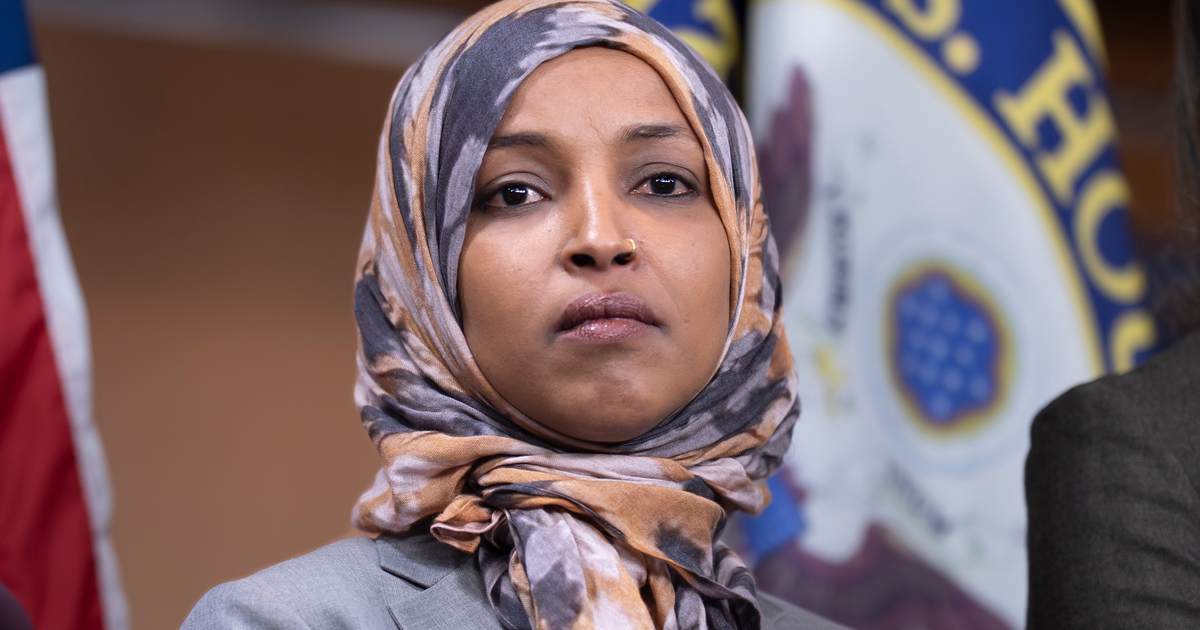
Federal Raid Targets Omar Amid Unresolved Name and Marriage Allegations
Agents searched Rep. Ilhan Omar's DC residence over immigration fraud allegations; she called it bizarre. Reports and commentary questioned her birth name and past marriage details.

Supreme Court Upholds New Hampshire Student ID Voting Ban
The Supreme Court upheld New Hampshire's ban on student IDs as valid voter identification just before midterms, affecting a tight Senate race.
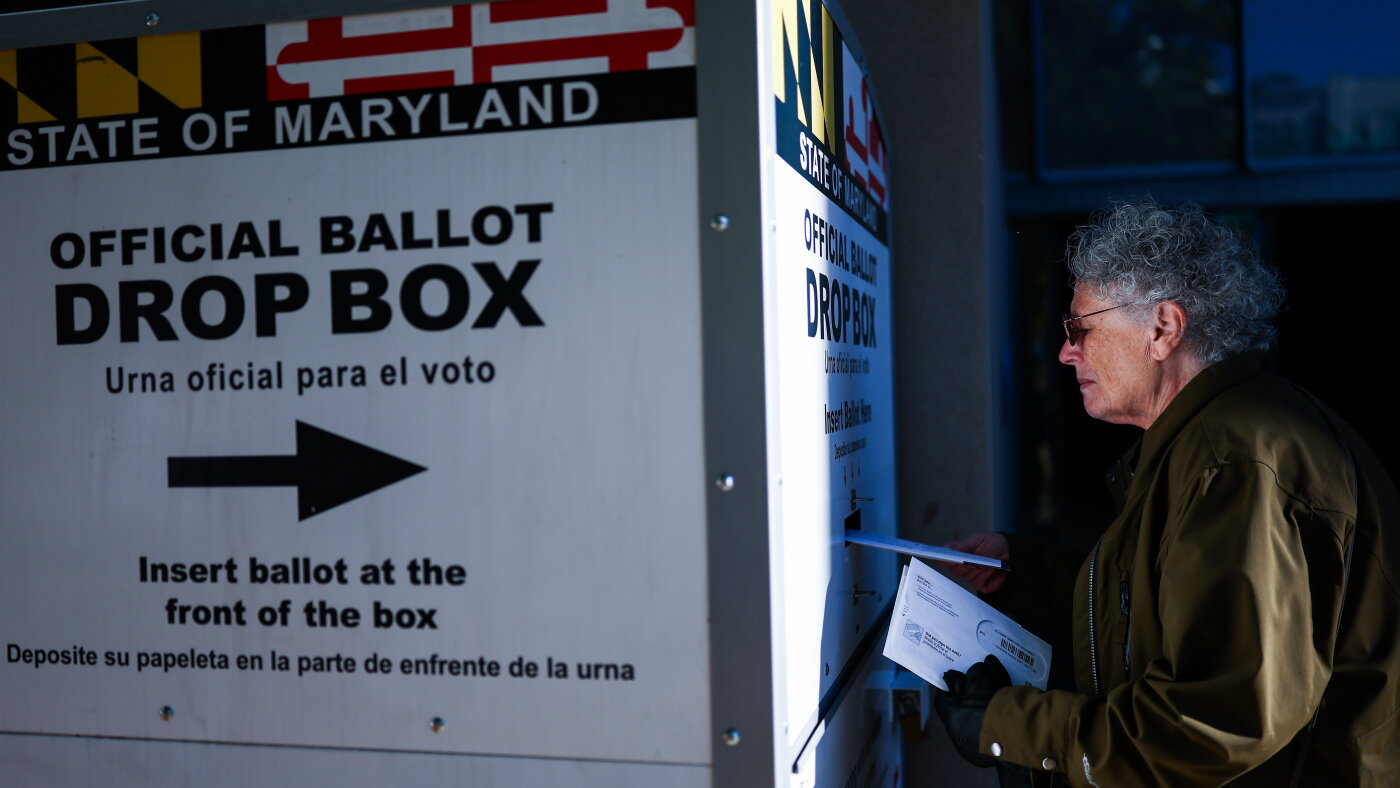
Early Voting Hits 21 Million as Most Trust Midterm Accuracy
Millions have already voted early as parties make final appeals amid $1.4 billion in ad spending; polls show confidence in election accuracy.
The Compass
You just read five takes on one story.
What's your take? Find your political shape in a few minutes.
Take the test