
House Lags Senate on Prediction Market Trading Ban
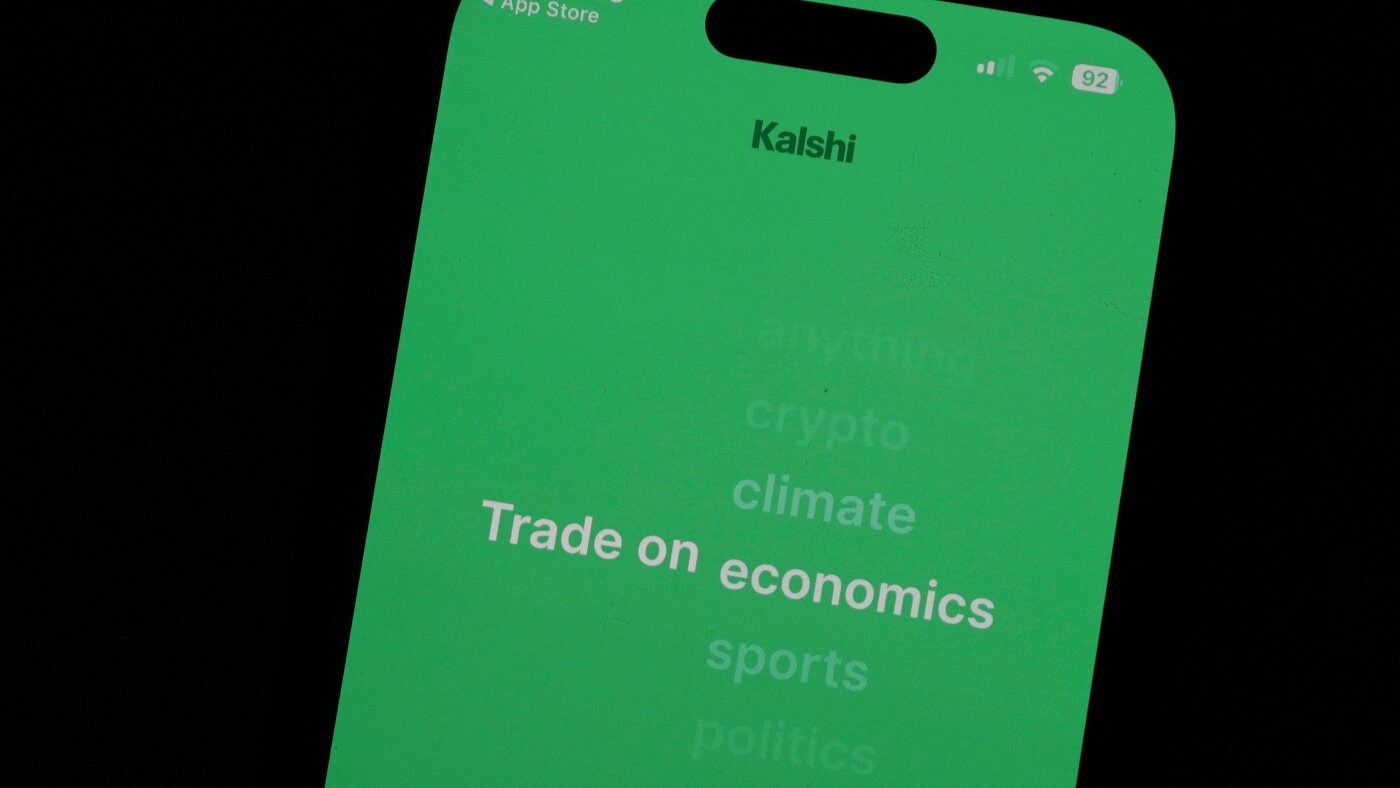
Cover image from npr.org, which was analyzed for this article
Congress is considering a ban on prediction markets despite bipartisan interest. Lawmakers weigh risks and innovation in election and event betting platforms.
PoliticalOS
Tuesday, May 19, 2026 — Politics
The core unresolved issue is whether the House will align with the Senate by barring its members and staff from prediction market trading. Multiple documented cases of non-public information being used for profit have prompted bipartisan proposals, yet no House rule change has occurred. Readers should track whether ethics disclosure requirements are extended to event contracts or whether new legislation imposes criminal penalties.
What outlets missed
Neither outlet examined how prediction markets already operate under CFTC oversight with built-in compliance tools that platforms have used to block suspicious accounts. The articles also omitted any discussion of the markets' documented accuracy in forecasting election outcomes compared with traditional polls. Finally, both pieces left unaddressed the procedural differences between a Senate unanimous consent action and the House requirement for a recorded vote or rule change.
House Slow to Act on Prediction Market Ban Despite Growing Insider Trading Fears
Washington lawmakers continue to allow members of the House and their staffs to place bets on prediction markets that involve elections, policy outcomes and even foreign events, even as reports of insider trading pile up and calls for restrictions grow louder from both parties. The platforms, including Kalshi and Polymarket, have drawn billions in wagers each week on everything from sports results to the fate of political figures. Yet the lower chamber has so far declined to match restrictions already adopted by the Senate.
The issue gained fresh attention after federal prosecutors charged a U.S. soldier last month with using classified information to win more than four hundred thousand dollars betting on the removal of Venezuelan leader Nicolás Maduro. Separate reporting revealed that at least one campaign staffer profited by thousands of dollars by wagering on their own candidate with access to private polling data. These cases have prompted renewed scrutiny of whether government employees and political operatives are leveraging non-public information for personal gain.
Rep. Ritchie Torres, a New York Democrat, introduced legislation last week that would bar campaign staffers from betting on their own races and impose criminal penalties of up to five years in prison for using campaign funds on prediction markets. Torres joined a bipartisan letter urging House leadership to change chamber rules immediately and end what he called an indefensible status quo. More than a dozen similar bills have surfaced this year, according to congressional researchers, but none have advanced beyond early stages.
Critics note that the Senate acted more quickly to limit its own members and staff from participating in these markets. The House, by contrast, has dragged its feet even as the volume of bets on politically sensitive topics has surged. Some lawmakers argue that prediction markets simply reflect public information and improve forecasting, yet the pattern of well-connected bettors cashing in on events tied to their official duties raises obvious questions about fairness and conflicts of interest.
The reluctance to impose tighter rules comes at a time when public trust in institutions is already low. Ordinary citizens cannot access the same briefings or internal data that flow through congressional offices and campaign headquarters. Allowing those with such access to wager on the outcomes they help shape looks to many like another example of rules written for the powerful and ignored by them when convenient.
Kalshi has tried to self-police by blocking certain accounts and markets, but enforcement remains uneven across platforms. Lawmakers from both parties have floated broader regulatory approaches, yet the legislative record shows little appetite for swift action that might affect their own staffs or future political operations. With elections approaching and billions already in play, the delay leaves open a window for continued betting by those closest to the decisions being wagered upon.
The debate has exposed familiar divides. Supporters of open markets claim they provide valuable signals on everything from economic policy to international crises. Opponents, including Torres and several Republican colleagues, counter that the line between legitimate forecasting and outright insider trading has become impossible to police when participants include government insiders. Until the House adopts concrete restrictions, that tension will persist, with profits potentially flowing to those already positioned to influence the results.
You just read America First's take. Want to read what actually happened?
More in Politics
Trump at 32% Approval as Gas Prices Test GOP Midterm Hopes
NYT/Siena polling showed Trump's approval at historic lows around 32 percent with Democrats leading by double digits in key districts. Early voting has surged in battleground states.

Record Early Voting Hits Battlegrounds, Shifting Partisan Shares
AP analysis found hundreds of thousands more early ballots than in 2022 in states including Texas, Ohio, Kansas, Maine, and North Carolina, shifting partisan dynamics.
Trump Backs Marshall in Kansas Senate Race Tightened by Farm Costs
President Trump rallied in deep-red Kansas for GOP Sen. Roger Marshall in a competitive race, announcing an $8 billion farm fuel relief program amid high diesel prices. Democrats see an opening to end 94 years of GOP dominance in the state.

Trump Pauses Russia Sanctions Amid Ukraine Tensions and Missile Strikes
Trump waived sanctions on Russia and floated trilateral talks with Putin and Xi as part of ending the Ukraine war, while tensions rose with Zelenskyy over Starlink and arms. Bipartisan senators engaged Zelenskyy amid the shifts.
The Compass
You just read five takes on one story.
What's your take? Find your political shape in a few minutes.
Take the test