
House Lags Senate on Prediction Market Trading Ban
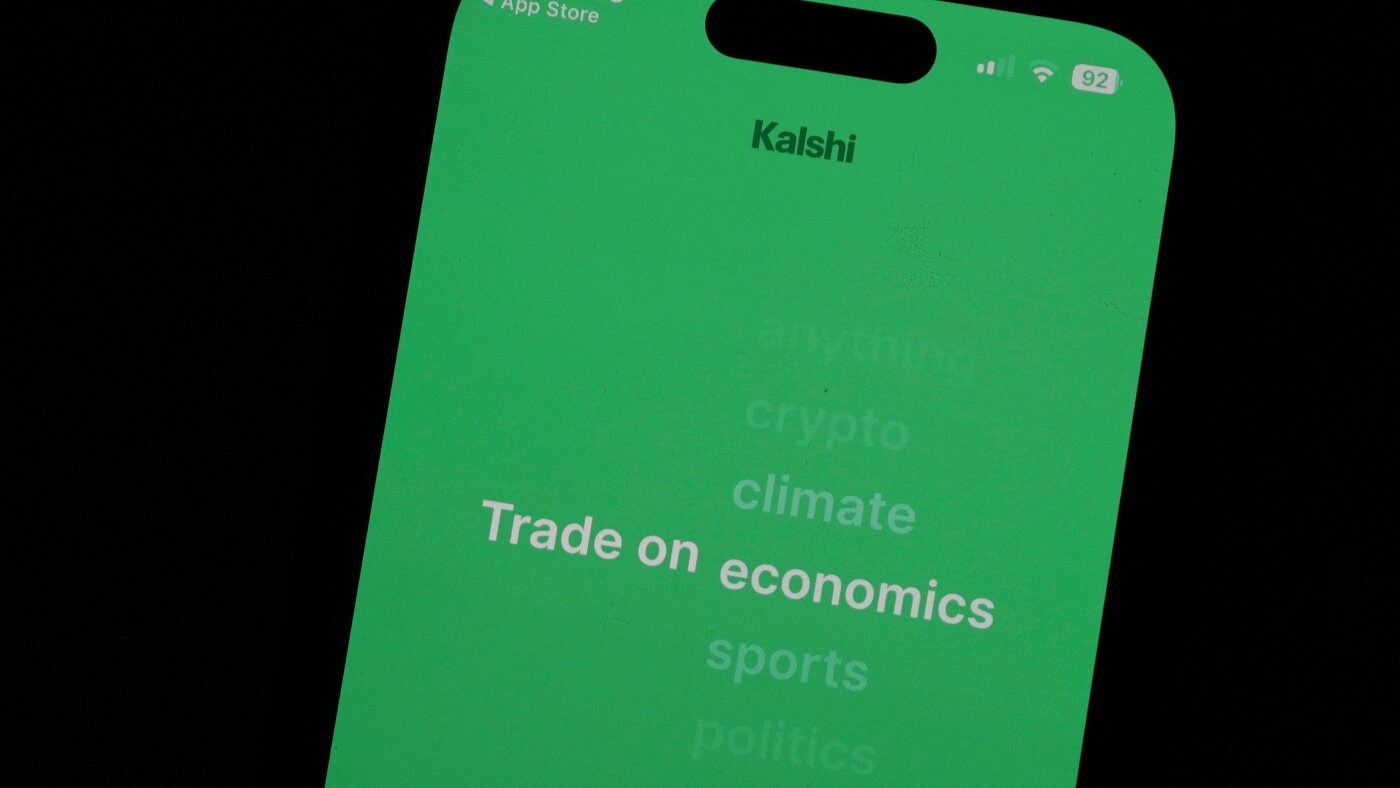
Cover image from npr.org, which was analyzed for this article
Congress is considering a ban on prediction markets despite bipartisan interest. Lawmakers weigh risks and innovation in election and event betting platforms.
PoliticalOS
Tuesday, May 19, 2026 — Politics
The core unresolved issue is whether the House will align with the Senate by barring its members and staff from prediction market trading. Multiple documented cases of non-public information being used for profit have prompted bipartisan proposals, yet no House rule change has occurred. Readers should track whether ethics disclosure requirements are extended to event contracts or whether new legislation imposes criminal penalties.
What outlets missed
Neither outlet examined how prediction markets already operate under CFTC oversight with built-in compliance tools that platforms have used to block suspicious accounts. The articles also omitted any discussion of the markets' documented accuracy in forecasting election outcomes compared with traditional polls. Finally, both pieces left unaddressed the procedural differences between a Senate unanimous consent action and the House requirement for a recorded vote or rule change.
House Lawmakers Stall on Prediction Market Restrictions Despite Mounting Insider Trading Allegations
Members of the House continue to bet on prediction markets that allow billions in wagers each week on elections, policy outcomes and other events, even as evidence mounts that insiders with access to nonpublic information are profiting from those platforms. Unlike their Senate counterparts, House lawmakers and staff face no formal prohibition, and recent efforts to close that gap have stalled short of any rule change.
The issue gained urgency after a series of scandals. In April federal prosecutors charged a U.S. soldier with using classified material to win more than 400,000 dollars betting on the removal of Venezuelan leader Nicolás Maduro. Last month reports surfaced of a political campaign staffer earning thousands by wagering on their own candidate with unreleased polling data. These cases follow a 30,000-dollar bet placed earlier this year on Maduro's capture that drew public scrutiny over possible misuse of inside information.
Rep. Ritchie Torres, a New York Democrat, has emerged as a leading voice for tighter controls. He introduced legislation last week that would bar campaign staffers from betting on their own races and would impose criminal penalties, including up to five years in prison, for using campaign funds on prediction markets. Torres also joined a bipartisan letter urging House leadership to adopt an immediate rule change. "The status quo is indefensible," he told NPR. "There's no justification for allowing members of a campaign or members of the government to bet on their own decision making."
At least a dozen bills aimed at regulating prediction markets have been filed this year, according to the Congressional Research Service. None has advanced meaningfully. Platforms such as Kalshi and Polymarket have taken limited steps to restrict suspicious activity, and the Senate has already moved to bar its members and staff from participating. The House, however, has shown little appetite for parallel action.
Critics argue the delay reflects a broader reluctance among lawmakers to police conduct that could benefit those with privileged access to government information. Prediction markets have grown rapidly, drawing participants who treat political and policy developments like commodities. When the people closest to those developments can also place bets, the line between informed analysis and outright insider trading blurs. Public trust in institutions already strained by repeated ethics controversies risks further erosion if Congress appears unwilling to address the problem in its own ranks.
Torres's measure targeting campaign funds represents one narrow fix, but broader proposals to prohibit all congressional participation have not yet received a vote. House leadership has offered no timetable for consideration. In the meantime, the same lawmakers who routinely decry conflicts of interest in other sectors continue to enjoy an exemption that lets them wager on the very outcomes they help shape.
Advocates for reform say the pattern mirrors past episodes in which Congress moved slowly on emerging technologies, from cryptocurrency oversight to artificial intelligence guardrails, only to confront larger scandals later. Each new revelation of improper betting, they contend, underscores the cost of that hesitation. Without swift rules, the perception that government decision makers can monetize nonpublic knowledge will persist, further distancing the public from a process already viewed by many as tilted toward insiders.
You just read Progressive's take. Want to read what actually happened?
More in Politics

Trump at 32% Approval as Gas Prices Test GOP Midterm Hopes
NYT/Siena polling showed Trump's approval at historic lows around 32 percent with Democrats leading by double digits in key districts. Early voting has surged in battleground states.

Record Early Voting Hits Battlegrounds, Shifting Partisan Shares
AP analysis found hundreds of thousands more early ballots than in 2022 in states including Texas, Ohio, Kansas, Maine, and North Carolina, shifting partisan dynamics.

Trump Backs Marshall in Kansas Senate Race Tightened by Farm Costs
President Trump rallied in deep-red Kansas for GOP Sen. Roger Marshall in a competitive race, announcing an $8 billion farm fuel relief program amid high diesel prices. Democrats see an opening to end 94 years of GOP dominance in the state.

Trump Pauses Russia Sanctions Amid Ukraine Tensions and Missile Strikes
Trump waived sanctions on Russia and floated trilateral talks with Putin and Xi as part of ending the Ukraine war, while tensions rose with Zelenskyy over Starlink and arms. Bipartisan senators engaged Zelenskyy amid the shifts.
The Compass
You just read five takes on one story.
What's your take? Find your political shape in a few minutes.
Take the test