
Democratic primaries show mixed progressive results amid polling misses
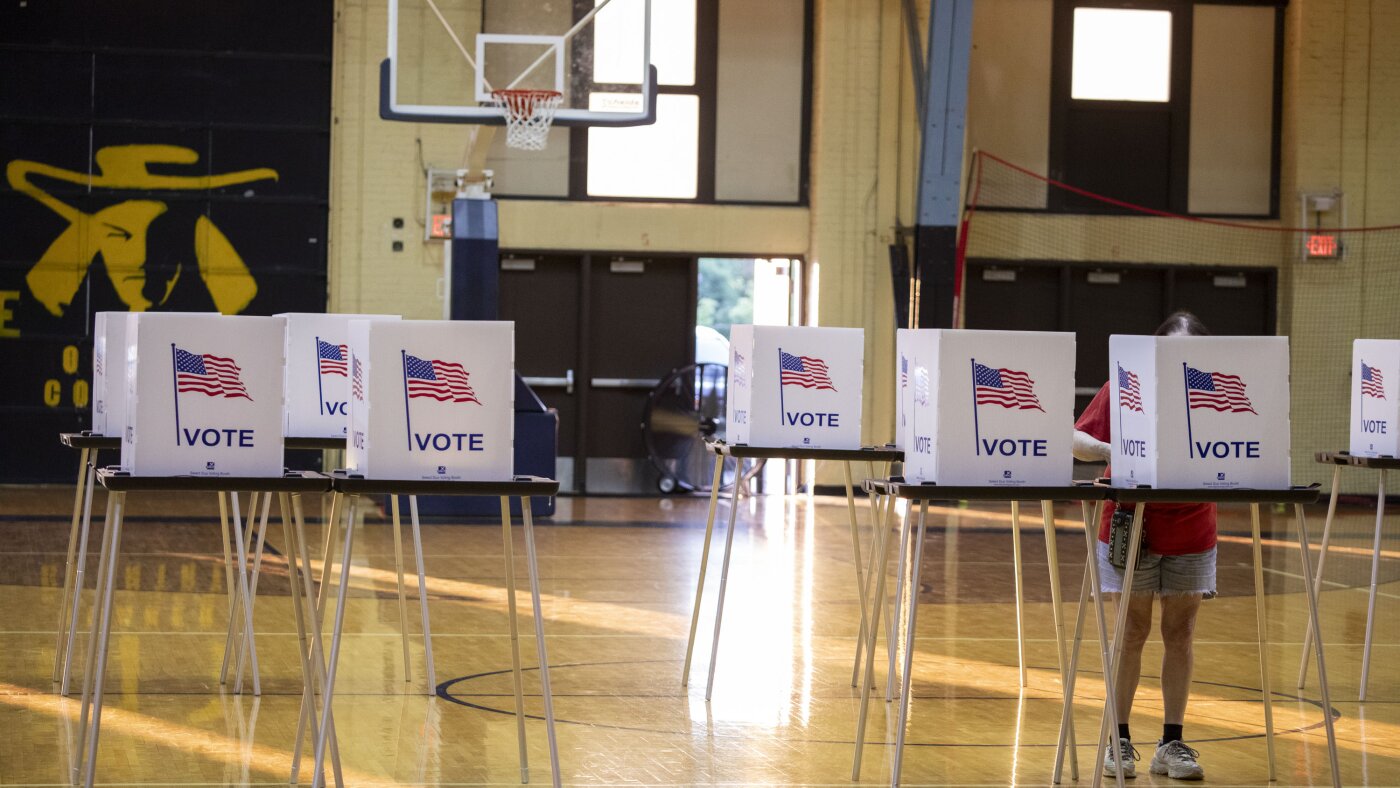
Cover image from npr.org, which was analyzed for this article
Recent primaries delivered mixed signals for both parties, with losses for some Trump-endorsed Republicans and debates over Democratic direction. Prediction markets and voter sentiment are also under scrutiny.
PoliticalOS
Wednesday, August 5, 2026 — Politics
Recent Democratic primaries produced several narrow establishment wins after polls overstated progressive strength, while election officials raised separate concerns about prediction markets. Readers should treat both polling snapshots and market odds as imperfect indicators until corroborated by certified results.
What outlets missed
Coverage did not address documented forecasting performance of prediction markets against polling aggregates in recent cycles. No outlet examined whether late-deciding voter shifts in Wisconsin aligned with documented crossover activity or advertising gaps. The absence of any reporting on Republican primaries left the claimed mixed signals for both parties unexamined beyond Democratic contests.
Voters in several Midwestern and Northeastern states delivered unexpected outcomes in Democratic primaries this week, complicating efforts by party leaders to settle on electable nominees for November. In Wisconsin, Milwaukee County Executive David Crowley defeated state Assembly member Francesca Hong by half a percentage point after late polls had shown Hong ahead by roughly 20 points. Similar overestimates occurred the prior week in Michigan, where Abdul El-Sayed won the Senate primary by one point despite surveys placing him far ahead.
The Wisconsin race featured rapid shifts in the final days. Two candidates dropped out after scandals, Crowley briefly exited then re-entered, and Democratic Gov. Tony Evers campaigned alongside him. Hong struggled to respond to attacks on her record, including a past social media post. Former Obama strategist David Axelrod noted that polls captured only a snapshot and missed late movement among undecided voters in the open primary. Chaz Nuttycombe of State Navigate suggested some Republican-leaning voters crossed over to oppose Hong.
In Minnesota, Lt. Gov. Peggy Flanagan won the Senate primary over Rep. Angie Craig. In Maine, Troy Jackson secured the Senate nomination after an earlier gubernatorial loss. These results occurred against a backdrop of prediction markets such as Kalshi and Polymarket recording nearly $200 million in trading volume on midterm outcomes, according to an NBC News analysis. Election officials including Los Angeles County Registrar Dean Logan and Delaware County Director Jim Allen expressed concern that market odds could fuel public suspicion when results diverge from market expectations, citing the Los Angeles mayoral primary as an example.
No comparable details on Republican primaries or Trump-endorsed candidates appeared in the reviewed coverage. Prediction market operators did not respond to requests for comment on manipulation risks or accuracy comparisons with polls.
More in Politics

Federal Agents Search Omar Home in Ongoing Immigration Probe
Homeland Security agents searched the Minnesota Democrat's DC residence in a criminal probe, prompting accusations of political intimidation from Omar and Democratic leaders. Coverage spans left-leaning outlets like NPR, BBC, and The Guardian alongside right-leaning criticism from The Federalist and Daily Wire.

Trump Diesel Import Plan Draws Pushback Over Russia Ties
The weekend agreement drew bipartisan congressional pushback and criticism from Ukraine's Zelenskyy, with analysts downplaying US fuel price impacts. Right-leaning outlets like National Review, Dispatch, and Washington Examiner questioned its legality and effectiveness.

Independents Test Voter Appetite for Middle Ground in 2026 Midterms
Nearly 200 independents are running in competitive races as voters weigh ballot measures on housing costs in states like Massachusetts. Left-leaning coverage from NYT, NPR, and Guardian highlights turnout and key races while right outlets focus on GOP strategy.
Trump Rallies in Alaska, Ohio to Bolster GOP Senate Candidates
The president rallied in Wasilla for Sen. Dan Sullivan and faced empty seats at an Ohio event amid midterm concerns. Outlets across the spectrum covered the trips as signals of GOP vulnerability weeks before Election Day.
The Compass
You just read five takes on one story.
What's your take? Find your political shape in a few minutes.
Take the test