
Progressives Challenge Establishment in Democratic Primaries
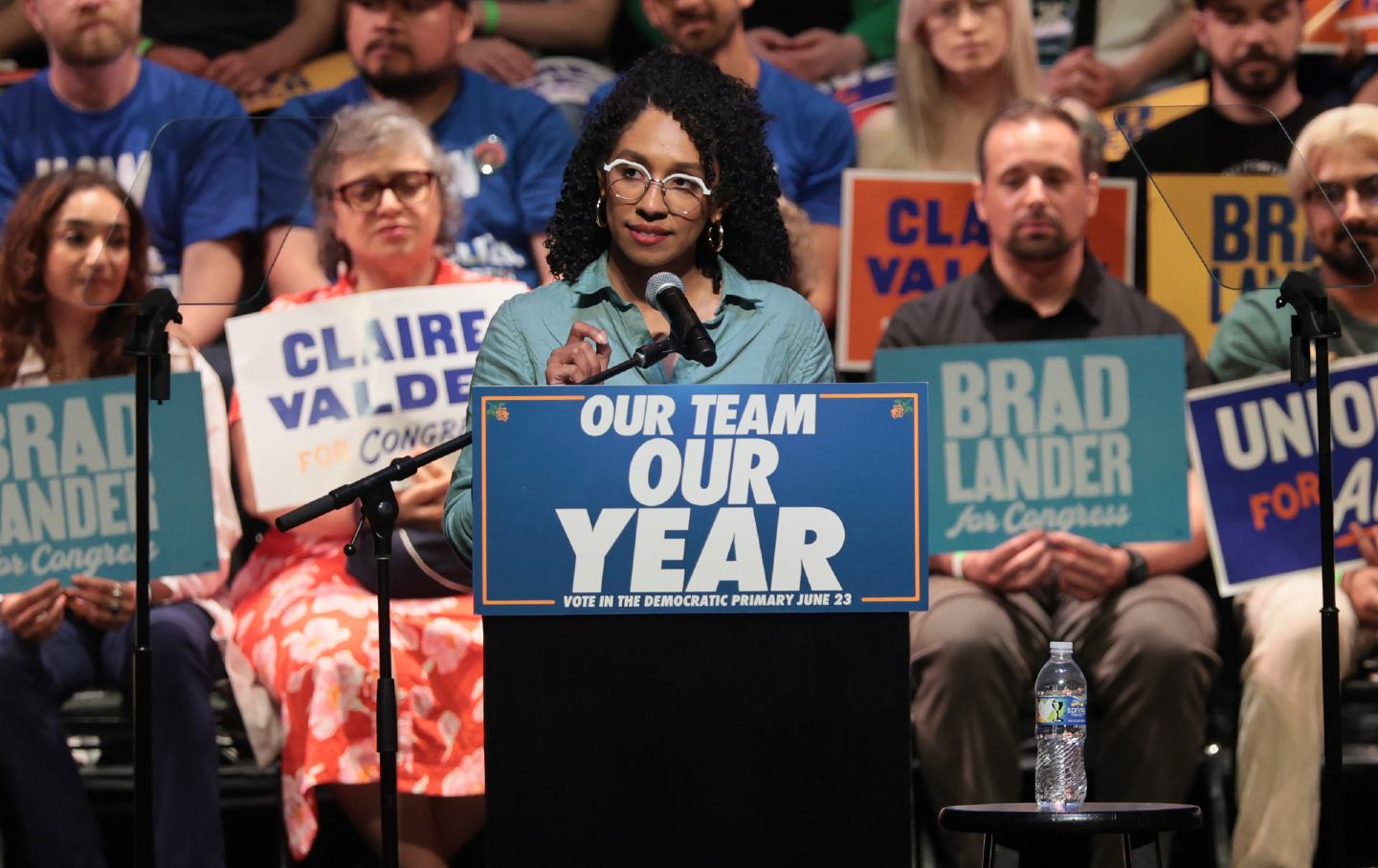
Cover image from thenation.com, which was analyzed for this article
DSA wins and progressive candidates are upending races in Michigan, Missouri and elsewhere. Establishment Democrats face tests over Black politics and future direction.
PoliticalOS
Monday, August 3, 2026 — Politics
Black voters in Michigan and Missouri are deciding whether progressive insurgents or establishment moderates will represent the party in November. Outcomes will test whether outside spending and generational divides can override local priorities on crime, jobs and housing.
What outlets missed
Detailed primary polling margins and exact outside spending totals across all races were not uniformly reported. Local economic conditions such as foreclosure rates after the auto rescue and tornado recovery received less attention than national Israel debates. The full range of candidate statements on communism or foreign policy that prompted criticism in New York was addressed unevenly. Historical context on CBC voting records for the 1994 crime bill appeared in only one outlet.
Democratic primaries in Michigan, Missouri and New York are testing whether candidates backed by progressive groups can defeat party-backed incumbents and moderates ahead of the November midterms. Black voters in several districts hold decisive influence over outcomes that could shift the party's direction on economic policy, campaign finance and U.S. support for Israel.
In Michigan's Senate primary, Abdul El-Sayed leads Rep. Haley Stevens in recent public polling, according to Politico reporting. El-Sayed has drawn endorsements from Sens. Bernie Sanders and Elizabeth Warren and focuses on removing corporate money from politics. Stevens, backed by Rep. James Clyburn and the Congressional Black Caucus, emphasizes her record on the auto industry rescue and pragmatic governance. Outside spending has exceeded $80 million, with an AIPAC-linked super PAC supporting Stevens. Washington Post interviews in Pontiac showed younger Black voters favoring El-Sayed's disruption message while older voters preferred Stevens' experience.
Missouri's 1st Congressional District primary pits former Rep. Cori Bush against incumbent Rep. Wesley Bell. Bush lost to Bell in 2024 after an AIPAC-linked group spent heavily against her. The Guardian reported Bush raising $1.3 million compared with Bell's $3.5 million. Local concerns over crime and a recent tornado compete with national debate over Israel policy, where Bush has criticized U.S. support and Bell has defended the alliance. Pastor Rodrick Burton told the Guardian that residents prioritize violence in St. Louis over Gaza.
In New York, DSA-endorsed candidate Darializa Avila Chevalier defeated five-term incumbent Adriano Espaillat in the 13th District, which is 50 percent Hispanic and 24 percent Black. The Nation noted her plurality support in predominantly Black precincts and highlighted criticism from James Carville and Van Jones over her past statements on policing and borders. The Washington Post and Politico coverage of parallel Michigan races shows similar generational splits among Black Democrats.
The contests occur against a backdrop of record outside spending and competing claims about electability in swing areas. Politico reported centrist concern that progressive nominees could help Republicans in November. Black political leaders remain divided, with some CBC members endorsing moderates and others backing insurgents.
More in Politics

Federal Agents Search Omar Home in Ongoing Immigration Probe
Homeland Security agents searched the Minnesota Democrat's DC residence in a criminal probe, prompting accusations of political intimidation from Omar and Democratic leaders. Coverage spans left-leaning outlets like NPR, BBC, and The Guardian alongside right-leaning criticism from The Federalist and Daily Wire.

Trump Diesel Import Plan Draws Pushback Over Russia Ties
The weekend agreement drew bipartisan congressional pushback and criticism from Ukraine's Zelenskyy, with analysts downplaying US fuel price impacts. Right-leaning outlets like National Review, Dispatch, and Washington Examiner questioned its legality and effectiveness.

Independents Test Voter Appetite for Middle Ground in 2026 Midterms
Nearly 200 independents are running in competitive races as voters weigh ballot measures on housing costs in states like Massachusetts. Left-leaning coverage from NYT, NPR, and Guardian highlights turnout and key races while right outlets focus on GOP strategy.

Trump Rallies in Alaska, Ohio to Bolster GOP Senate Candidates
The president rallied in Wasilla for Sen. Dan Sullivan and faced empty seats at an Ohio event amid midterm concerns. Outlets across the spectrum covered the trips as signals of GOP vulnerability weeks before Election Day.
The Compass
You just read five takes on one story.
What's your take? Find your political shape in a few minutes.
Take the test