
Trump Names Housing Official Pulte Acting Intelligence Director
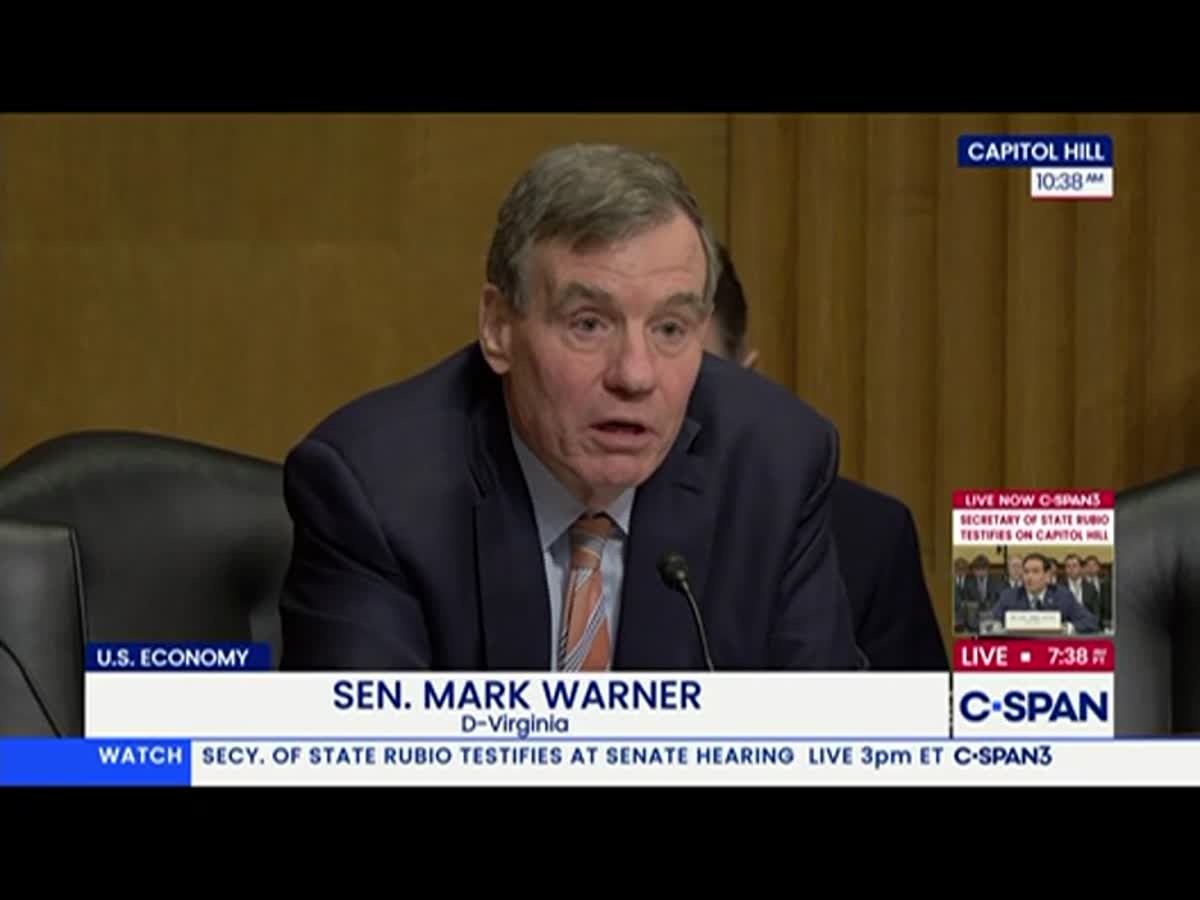
Cover image from crooksandliars.com, which was analyzed for this article
Trump selected MAGA-aligned executive Bill Pulte for the acting spy chief role, sparking criticism over qualifications and partisanship from both parties.
PoliticalOS
Thursday, June 4, 2026 — Politics
The appointment of an acting intelligence chief without national-security experience has created bipartisan Senate resistance that now threatens timely renewal of a major foreign surveillance program. Because the role is temporary and does not require confirmation, opponents have limited formal levers. The June 12 deadline forces a direct choice between the nomination and continued access to Section 702 authorities.
What outlets missed
Most coverage omitted that Pulte’s acting status under the Federal Vacancies Reform Act eliminates any Senate confirmation vote and caps the appointment at 210 days. Few outlets detailed Pulte’s continued oversight of roughly $10 trillion in housing assets at Fannie Mae and Freddie Mac while serving as acting DNI. Reporting also lacked independent verification of the number or outcomes of Pulte’s prior mortgage-fraud referrals and did not address how the dual role might affect day-to-day intelligence leadership.
Trump Names Housing Finance Official as Acting Intelligence Director
President Donald Trump has installed Bill Pulte, director of the Federal Housing Finance Agency, as acting director of national intelligence following Tulsi Gabbard's departure in May. The move uses the Federal Vacancies Reform Act to place an already confirmed official in the post for up to 210 days without Senate confirmation.
Pulte, grandson of the PulteGroup founder, has overseen Fannie Mae and Freddie Mac and pushed ideas such as a 50-year mortgage product during his tenure. He lacks any documented background in intelligence or national security operations. Reports indicate he has drawn internal friction, including a reported clash with Treasury Secretary Scott Bessent at a 2025 dinner and criticism from Senate Republicans over his approach to the housing role.
The appointment has complicated efforts to renew Section 702 of the Foreign Intelligence Surveillance Act before its June 12 expiration. This provision allows warrantless collection of communications from foreign targets overseas, though it has drawn repeated criticism for incidental collection of American citizens' data. Senate Democrats have signaled they may withhold support for renewal unless the Pulte nomination is withdrawn, with Sen. Mark Warner calling the choice the most outrageous in a series of Trump selections. Senate Minority Leader Chuck Schumer noted the timing adds new obstacles to an already delayed process.
Republican senators have also expressed reservations. Sen. Mike Rounds urged White House involvement to prevent the issue from stalling the reauthorization, while Senate Majority Leader John Thune has faced pressure to address Democratic opposition. Some members worry Pulte's prior criminal referrals for alleged mortgage fraud against Trump political opponents could intensify partisan fights over government surveillance tools.
The episode underscores longstanding questions about the intelligence community's structure and the expansion of its authorities. Past administrations from both parties have placed officials without deep domain experience in senior national security posts, often prioritizing political alignment over specialized expertise. Section 702 itself has operated with documented compliance incidents involving improper queries on U.S. persons, according to oversight reports from the intelligence community inspector general.
Pulte's dual role running FHFA while heading the Office of the Director of National Intelligence raises practical concerns about divided attention at a time when the agency coordinates across 18 elements of the intelligence apparatus. Critics from varying perspectives have noted that placing someone tied to domestic housing policy in charge of foreign intelligence collection risks further blurring lines between economic regulation and national security functions.
Negotiations over FISA renewal have already stretched for months amid debates on warrant requirements and oversight mechanisms. The current standoff illustrates how personnel decisions can directly affect the continuation of surveillance programs that operate with limited public scrutiny. Historical patterns show that intelligence agencies tend to defend their tools aggressively once granted, regardless of the administration in power.
Data from declassified Foreign Intelligence Surveillance Court opinions reveal recurring issues with the program's implementation, including overcollection and inadequate minimization procedures. These records suggest that reforms have often lagged behind operational expansions. The Pulte appointment now injects additional variables into an already contentious reauthorization debate scheduled to conclude next week.
You just read Conservative's take. Want to read what actually happened?
More in Politics

Trump Defends Ramaswamy Ad Using Estranged Mother in Ohio Race
President Trump defended a GOP nominee's ad featuring a Democratic opponent's estranged mother, calling it powerful, while drawing criticism from some Republicans including Ohio Gov. Mike DeWine. The ad has sparked internal GOP tensions ahead of midterms.

Federal Raid Targets Omar Amid Unresolved Name and Marriage Allegations
Agents searched Rep. Ilhan Omar's DC residence over immigration fraud allegations; she called it bizarre. Reports and commentary questioned her birth name and past marriage details.

Supreme Court Upholds New Hampshire Student ID Voting Ban
The Supreme Court upheld New Hampshire's ban on student IDs as valid voter identification just before midterms, affecting a tight Senate race.
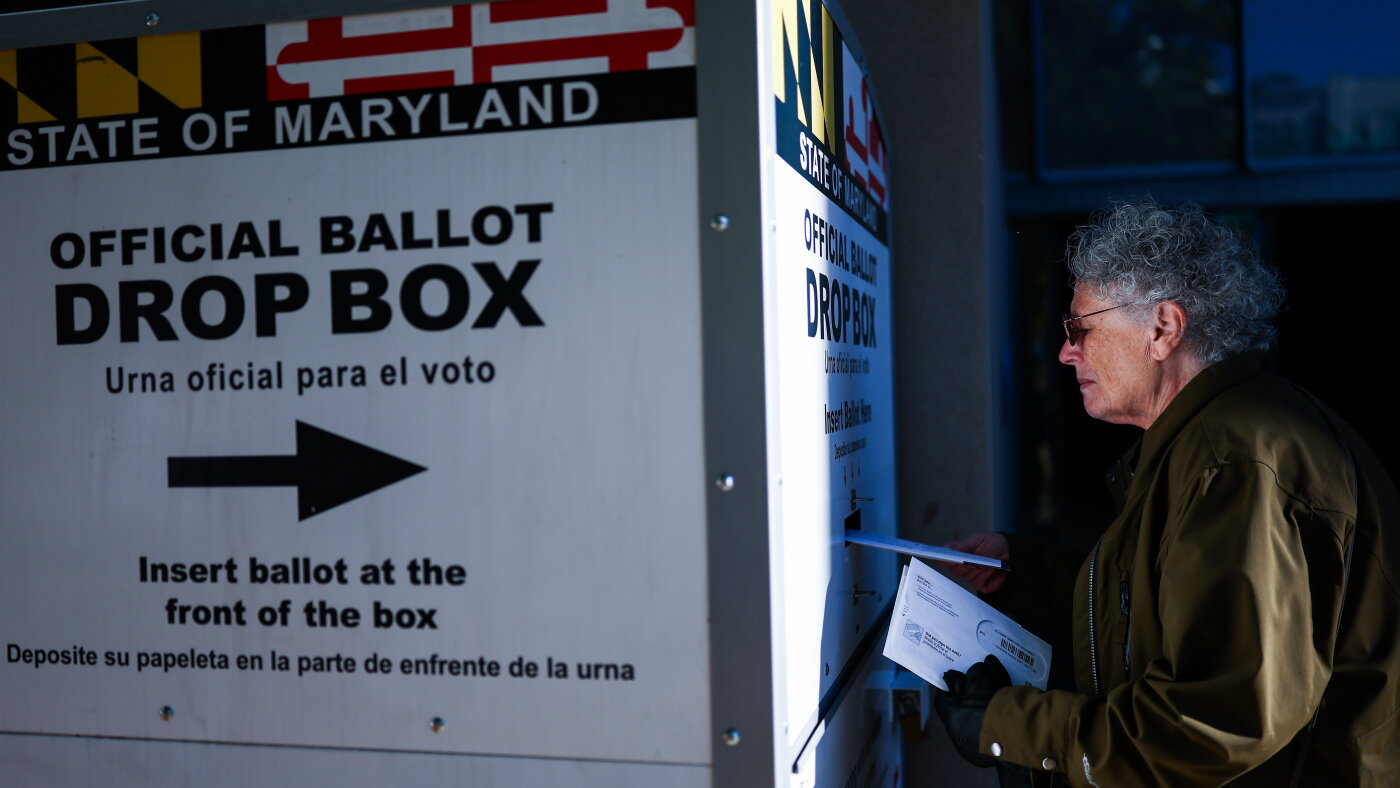
Early Voting Hits 21 Million as Most Trust Midterm Accuracy
Millions have already voted early as parties make final appeals amid $1.4 billion in ad spending; polls show confidence in election accuracy.
The Compass
You just read five takes on one story.
What's your take? Find your political shape in a few minutes.
Take the test