
Trump Names Housing Official Pulte Acting Intelligence Director
Cover image from crooksandliars.com, which was analyzed for this article
Trump selected MAGA-aligned executive Bill Pulte for the acting spy chief role, sparking criticism over qualifications and partisanship from both parties.
PoliticalOS
Thursday, June 4, 2026 — Politics
The appointment of an acting intelligence chief without national-security experience has created bipartisan Senate resistance that now threatens timely renewal of a major foreign surveillance program. Because the role is temporary and does not require confirmation, opponents have limited formal levers. The June 12 deadline forces a direct choice between the nomination and continued access to Section 702 authorities.
What outlets missed
Most coverage omitted that Pulte’s acting status under the Federal Vacancies Reform Act eliminates any Senate confirmation vote and caps the appointment at 210 days. Few outlets detailed Pulte’s continued oversight of roughly $10 trillion in housing assets at Fannie Mae and Freddie Mac while serving as acting DNI. Reporting also lacked independent verification of the number or outcomes of Pulte’s prior mortgage-fraud referrals and did not address how the dual role might affect day-to-day intelligence leadership.
Trump's Housing Finance Pick as Intelligence Chief Threatens Surveillance Law Renewal
President Donald Trump’s decision to install Bill Pulte, the Federal Housing Finance Agency director with no intelligence experience, as acting director of national intelligence has intensified tensions over the renewal of key government surveillance authorities. The move, announced after Tulsi Gabbard stepped down to care for her husband, places a mortgage policy official in charge of the Office of the Director of National Intelligence at a moment when Congress must decide whether to extend Section 702 of the Foreign Intelligence Surveillance Act before its June 12 expiration.
Pulte’s appointment relies on the Federal Vacancies Reform Act, which permits the temporary placement of a Senate-confirmed official into another confirmed role for up to 210 days without fresh confirmation. While this avoids an immediate Senate vote, it has drawn criticism from lawmakers in both parties who question whether Pulte possesses the necessary background to oversee the intelligence community. His record centers on housing finance, including advocacy for extended mortgage terms and referrals for alleged fraud that targeted political opponents of Trump.
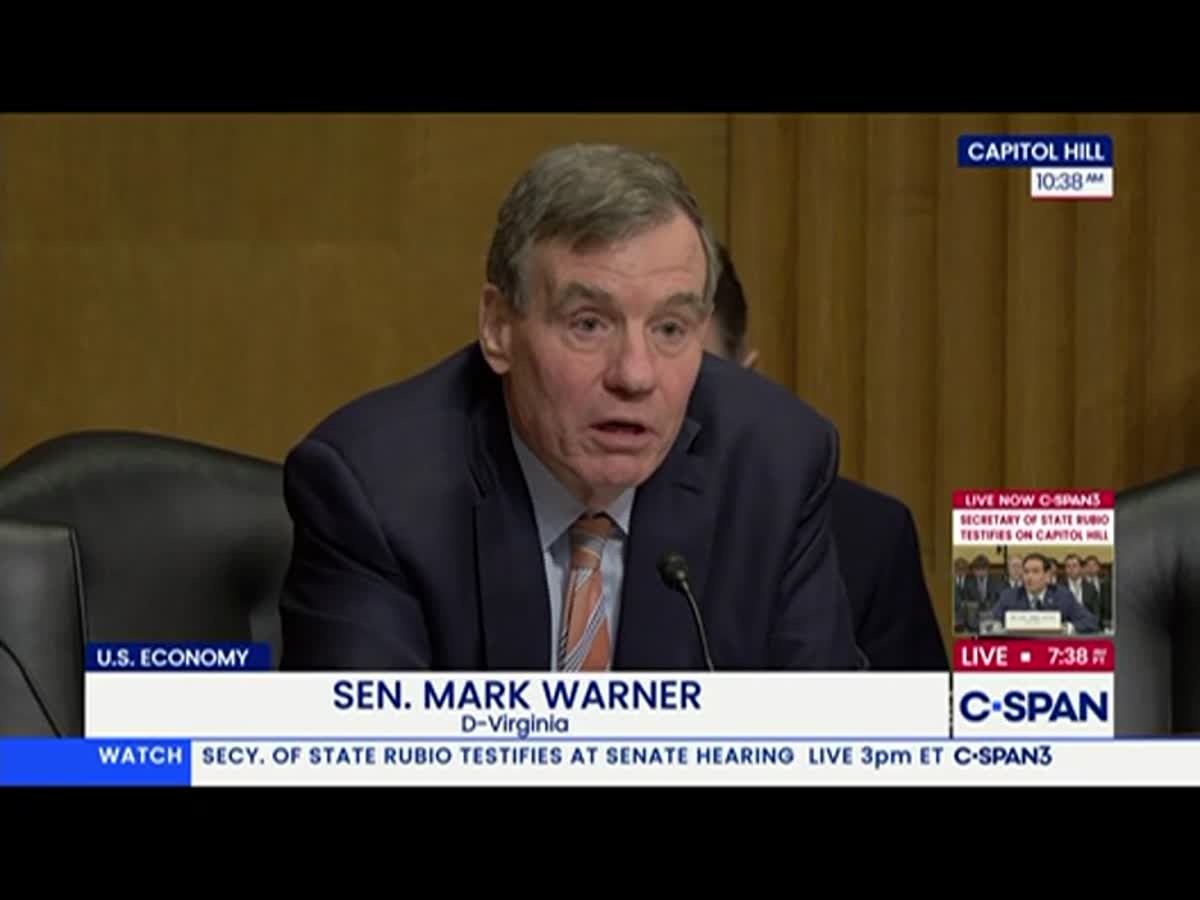
Senate Intelligence Committee Vice Chair Mark Warner, a Virginia Democrat, described the selection as potentially the most surprising of Trump’s recent personnel decisions. Warner has urged Senate Majority Leader John Thune to press the White House for reconsideration, noting Pulte’s role in directing the agencies that administer Section 702 collection. Senate Minority Leader Chuck Schumer warned that the timing complicates efforts to secure the bipartisan support required for reauthorization.
Republican concerns have also surfaced. Sen. Mike Rounds of South Dakota, a member of the intelligence committee, called for greater White House engagement to prevent the appointment from derailing the FISA extension. Other GOP senators have expressed private frustration over Pulte’s limited national security credentials and prior clashes with administration officials, including Treasury Secretary Scott Bessent.
Section 702 allows warrantless surveillance of foreign targets located outside the United States, though it incidentally collects communications involving Americans. The provision has faced scrutiny from civil liberties advocates and some lawmakers who argue it lacks adequate protections against domestic overreach. Renewal has already been delayed for months amid negotiations over reforms. Pulte’s history of using regulatory referrals against Trump critics has amplified Democratic arguments that the intelligence apparatus risks further politicization.
The White House has not publicly detailed plans to address the impasse. Lawmakers from both parties have indicated that without adjustments to the nomination or additional assurances on oversight, the votes needed to extend the surveillance authority may fall short. The episode underscores ongoing difficulties in staffing senior intelligence positions with officials who command broad institutional confidence.
You just read Liberal's take. Want to read what actually happened?
More in Politics
Trump at 32% Approval as Gas Prices Test GOP Midterm Hopes
NYT/Siena polling showed Trump's approval at historic lows around 32 percent with Democrats leading by double digits in key districts. Early voting has surged in battleground states.

Record Early Voting Hits Battlegrounds, Shifting Partisan Shares
AP analysis found hundreds of thousands more early ballots than in 2022 in states including Texas, Ohio, Kansas, Maine, and North Carolina, shifting partisan dynamics.
Trump Backs Marshall in Kansas Senate Race Tightened by Farm Costs
President Trump rallied in deep-red Kansas for GOP Sen. Roger Marshall in a competitive race, announcing an $8 billion farm fuel relief program amid high diesel prices. Democrats see an opening to end 94 years of GOP dominance in the state.

Trump Pauses Russia Sanctions Amid Ukraine Tensions and Missile Strikes
Trump waived sanctions on Russia and floated trilateral talks with Putin and Xi as part of ending the Ukraine war, while tensions rose with Zelenskyy over Starlink and arms. Bipartisan senators engaged Zelenskyy amid the shifts.
The Compass
You just read five takes on one story.
What's your take? Find your political shape in a few minutes.
Take the test