
US Indicts Raúl Castro for 1996 Brothers to the Rescue Shootdown
Cover image from washingtonexaminer.com, which was analyzed for this article
The DOJ indicted former Cuban President Raúl Castro for the fatal 1996 downing of US civilian planes. The move intensifies pressure on Havana as Trump weighs further actions including naval deployments.
PoliticalOS
Thursday, May 21, 2026 — Politics
The indictment revives a 30-year-old case with concrete charges against Raúl Castro and five others for the 1996 shootdown. It arrives during heightened U.S.-Cuba tensions but faces major obstacles to any actual trial. Readers should weigh the legal claims against Cuba’s longstanding self-defense assertions and the practical limits of enforcement.
What outlets missed
Declassified FAA records from 1996 show U.S. officials anticipated a possible Cuban shootdown and discussed readiness for that scenario. Cuban diplomatic protests over prior Brothers to the Rescue flights and leaflet drops were lodged in the year before the incident. Details on the Wasp Network spy operation, including alleged double agent Juan Pablo Roque’s reported false statements to the FBI about flight plans, appear in the indictment but received limited attention outside official releases. The practical barriers to any trial, given Cuba’s non-extradition policy and the advanced age of the lead defendant, were noted only in passing.
U.S. Indicts Raúl Castro Over 1996 Shootdown of Civilian Planes
Federal prosecutors in Miami unsealed an indictment this week charging former Cuban president Raúl Castro with conspiracy to kill U.S. nationals, murder and destruction of aircraft in connection with the 1996 downing of two civilian planes by Cuban fighter jets. The charges, returned by a grand jury in April and made public Wednesday, name Castro and five Cuban military officers in the deaths of four Americans affiliated with the Florida-based exile group Brothers to the Rescue.
The planes were shot down over international waters on February 24, 1996, after the organization had conducted multiple flights to drop anti-government leaflets over Cuba. According to the indictment, Castro, then serving as minister of the Revolutionary Armed Forces, authorized the operation through the military chain of command. Prosecutors described the aircraft as unarmed and posing no threat. The four victims included three U.S. citizens and one permanent resident.
Acting Attorney General Todd Blanche said at a Miami press conference that the action reflected a commitment to hold foreign officials accountable regardless of time or rank. "If you kill Americans, we will pursue you no matter who you are," he said. U.S. Attorney Jason Reding Quinones emphasized that the planes were civilian and outside Cuban airspace when struck by air-to-air missiles.
The indictment arrives as the Trump administration has increased economic and diplomatic pressure on Havana amid Cuba's deepening economic crisis, fuel shortages and reports of growing public discontent. While Castro, now 94, has not held formal power since 2021, the charges target a figure long viewed by U.S. officials as central to the island's security apparatus. The move follows earlier U.S. efforts to sanction Cuban officials over human rights concerns and migration issues.
Republican Sen. Rick Scott of Florida, speaking on NewsNation, suggested the indictment could accelerate internal pressure on the Cuban government. He argued that Cubans have already shown a willingness to protest and predicted the regime would eventually collapse without direct U.S. military involvement, citing the government's lack of resources to maintain control. Scott contrasted the situation with Iran, where he said military action might still be required.
Legal experts note that the indictment is unlikely to result in Castro's extradition or trial in the United States given Cuba's refusal to recognize U.S. jurisdiction in such cases. Similar past efforts to prosecute Cuban officials have remained largely symbolic. Still, the unsealing of the document coincides with renewed discussion in Washington about whether sustained external pressure combined with internal economic strain could produce political change on the island.
The Brothers to the Rescue organization had previously been warned by U.S. authorities about flying near Cuban airspace, yet the group maintained that its missions were humanitarian and nonviolent. Families of the victims have long pressed for accountability, and Wednesday's announcement was framed by prosecutors as fulfilling that demand after nearly three decades.
For the Trump administration, the indictment fits a pattern of using legal and financial tools to isolate adversarial governments. Whether it produces tangible shifts in Havana or simply underscores long-standing U.S. policy toward Cuba remains to be seen.
You just read Liberal's take. Want to read what actually happened?
More in Politics
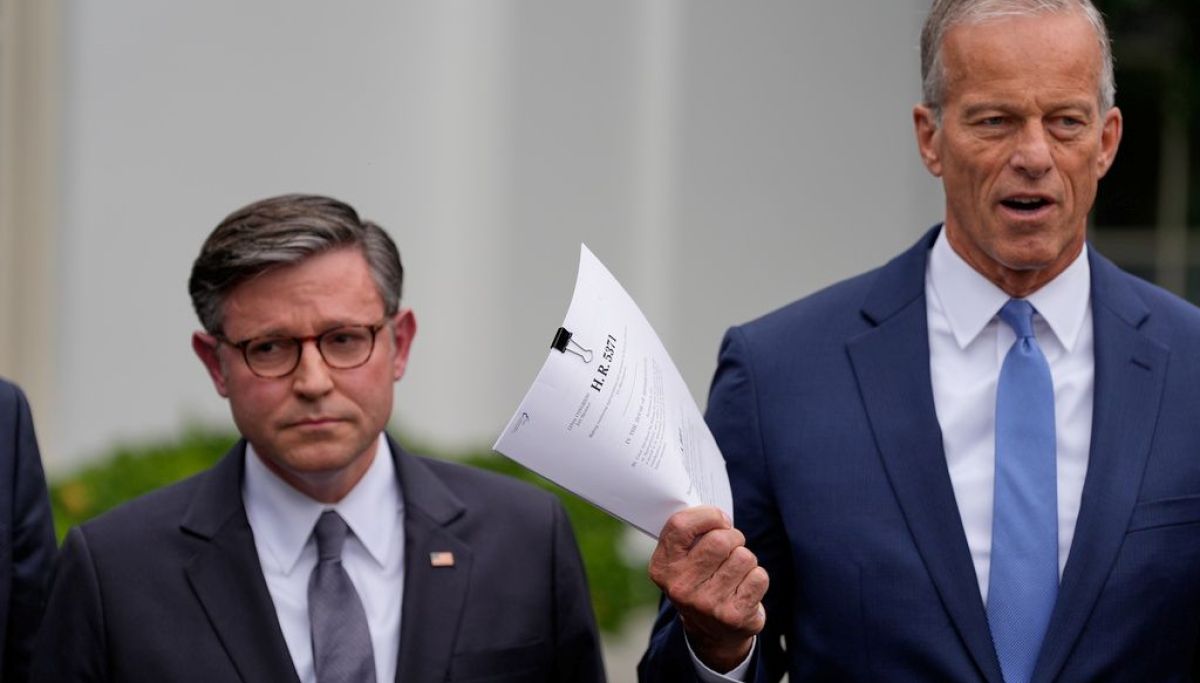
Trump at 32% Approval as Gas Prices Test GOP Midterm Hopes
NYT/Siena polling showed Trump's approval at historic lows around 32 percent with Democrats leading by double digits in key districts. Early voting has surged in battleground states.

Record Early Voting Hits Battlegrounds, Shifting Partisan Shares
AP analysis found hundreds of thousands more early ballots than in 2022 in states including Texas, Ohio, Kansas, Maine, and North Carolina, shifting partisan dynamics.
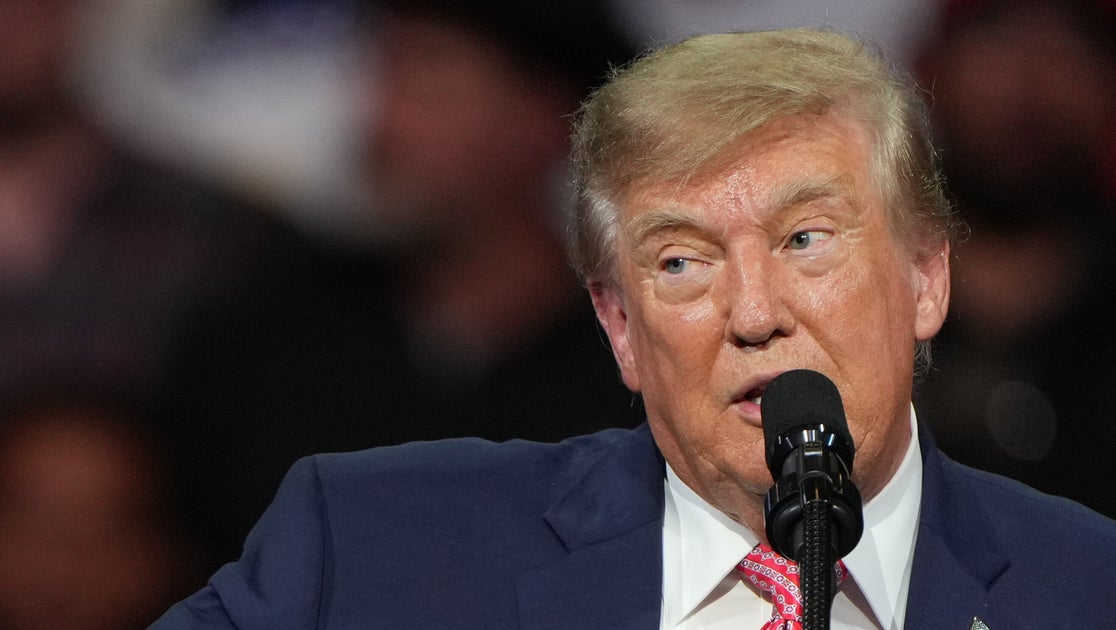
Trump Backs Marshall in Kansas Senate Race Tightened by Farm Costs
President Trump rallied in deep-red Kansas for GOP Sen. Roger Marshall in a competitive race, announcing an $8 billion farm fuel relief program amid high diesel prices. Democrats see an opening to end 94 years of GOP dominance in the state.

Trump Pauses Russia Sanctions Amid Ukraine Tensions and Missile Strikes
Trump waived sanctions on Russia and floated trilateral talks with Putin and Xi as part of ending the Ukraine war, while tensions rose with Zelenskyy over Starlink and arms. Bipartisan senators engaged Zelenskyy amid the shifts.
The Compass
You just read five takes on one story.
What's your take? Find your political shape in a few minutes.
Take the test