
Trump joins Rededicate 250 prayer rally on National Mall
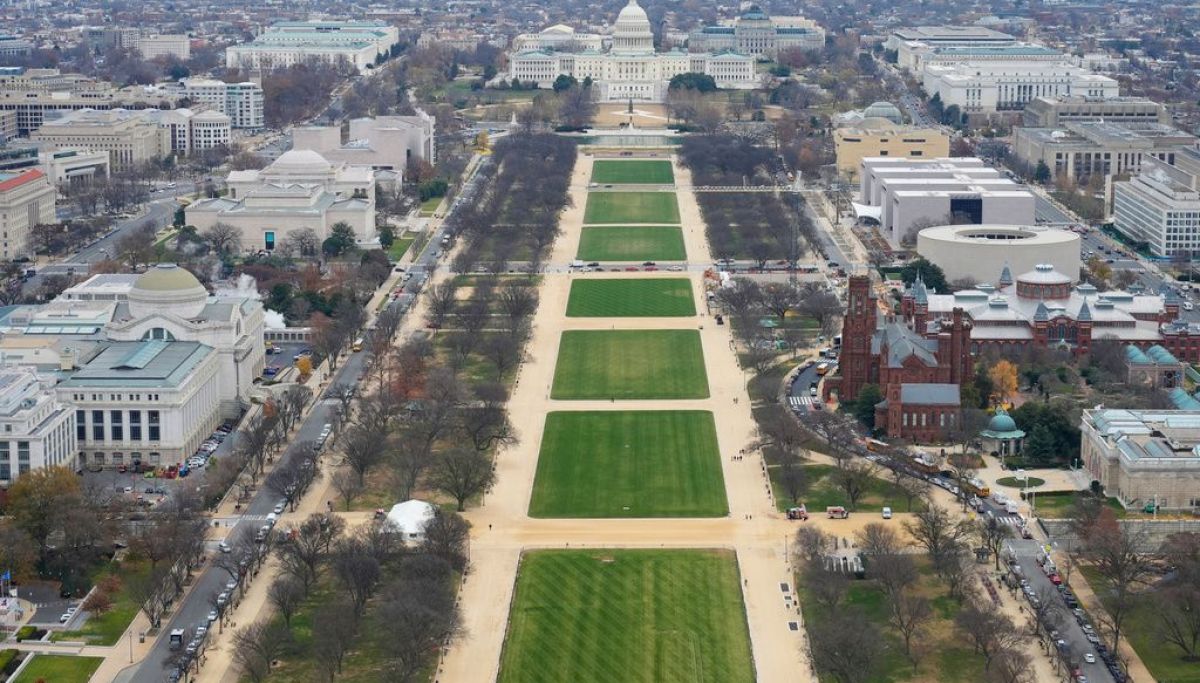
Cover image from washingtonexaminer.com, which was analyzed for this article
The 'Rededicate 250' event featured conservative Christian leaders, cabinet officials, and a Trump video message as part of America's 250th anniversary. Critics on the left decry church-state blurring while right-leaning outlets frame it as a celebration of faith and heritage.
PoliticalOS
Sunday, May 17, 2026 — Politics
The Rededicate 250 rally placed senior Trump officials alongside predominantly evangelical speakers on federal ceremonial ground, reviving long-standing questions about the permissible scope of government involvement in religious expression. Readers should weigh the event’s stated goal of honoring founding-era prayer traditions against the demographic narrowness of its platform and the absence of comparable scale in recent decades.
What outlets missed
Most coverage omitted the precise speaker demographics—fourteen of twenty faith leaders were evangelical Protestants—leaving readers without a clear count of religious representation. Few reports examined the event’s explicit tie to the 1776 Continental Congress “Day of Humiliation, Fasting and Prayer” or compared its nine-hour duration and cabinet-level participation to prior National Day of Prayer observances. Details on the public-private partnership structure and absence of direct federal funding were also largely absent, as were reactions from non-Abrahamic religious communities.
Trump Administration Ties Religion to National Identity at Mall Prayer Gathering
Thousands gathered on the National Mall on Sunday for Rededicate 250, a daylong event of prayer and worship organized to mark the approach of America's 250th anniversary. The program featured video remarks from President Trump and speeches from several top administration officials, including Defense Secretary Pete Hegseth, Secretary of State Marco Rubio and House Speaker Mike Johnson. Organizers described the gathering as a national jubilee meant to honor what they see as the central role of faith in the country's founding and to call for renewed spiritual commitment ahead of the semiquincentennial.
The event drew heavily from evangelical Protestant circles. Among the roughly twenty faith leaders listed, most were evangelical pastors or public figures such as Franklin Graham. A rabbi and a retired Catholic archbishop also appeared, but the overall composition reflected a narrow slice of American religious life. Promotional materials emphasized three themes: reflection on what organizers termed the miracles that shaped the nation, accounts of personal and communal renewal, and a collective prayer for continued divine guidance.
Bishop Robert Barron, who was scheduled to speak, argued beforehand that explicit affirmation of the country's Christian foundations actually strengthens protections for minority faiths. In his view, the biblical idea that every person is made in the image of God supplies the moral basis for equal dignity and religious liberty. He presented this as a productive paradox rather than a contradiction: clearer acknowledgment of the nation's predominant religious heritage, he suggested, secures the conditions under which other traditions can practice freely.
Critics, however, saw the scale and official participation as a departure from past practice. While presidents and cabinet members have joined faith-based events before, the concentration of senior political figures alongside a predominantly evangelical roster prompted concerns that the line between government and a particular religious tradition was being blurred. The First Amendment bars any establishment of religion while protecting its free exercise, and Sunday's program tested how those two clauses are balanced when senior officials lend their platforms to one interpretive tradition.
The timing added another layer. With the formal 250th anniversary celebrations still more than a year away, Rededicate 250 functioned as an early framing exercise. Organizers positioned the event as an opportunity to remind the public of what they regard as the nation's original religious character. For participants, the day offered a chance to connect personal faith with national purpose. For observers outside that circle, it illustrated how debates over the country's identity continue to shape public rituals even in a society that is more religiously diverse than at its founding.
Whether the event marks a lasting shift in how official commemorations incorporate religious language or simply one expression among many will depend on the tone of future observances. The constitutional guardrails remain in place, yet the practical question of which voices receive prominent stages at moments of national reflection is still being worked out in real time.
You just read Liberal's take. Want to read what actually happened?
More in Politics

Trump at 32% Approval as Gas Prices Test GOP Midterm Hopes
NYT/Siena polling showed Trump's approval at historic lows around 32 percent with Democrats leading by double digits in key districts. Early voting has surged in battleground states.

Record Early Voting Hits Battlegrounds, Shifting Partisan Shares
AP analysis found hundreds of thousands more early ballots than in 2022 in states including Texas, Ohio, Kansas, Maine, and North Carolina, shifting partisan dynamics.

Trump Backs Marshall in Kansas Senate Race Tightened by Farm Costs
President Trump rallied in deep-red Kansas for GOP Sen. Roger Marshall in a competitive race, announcing an $8 billion farm fuel relief program amid high diesel prices. Democrats see an opening to end 94 years of GOP dominance in the state.

Trump Pauses Russia Sanctions Amid Ukraine Tensions and Missile Strikes
Trump waived sanctions on Russia and floated trilateral talks with Putin and Xi as part of ending the Ukraine war, while tensions rose with Zelenskyy over Starlink and arms. Bipartisan senators engaged Zelenskyy amid the shifts.
The Compass
You just read five takes on one story.
What's your take? Find your political shape in a few minutes.
Take the test