
Southern States Redraw Maps After Court Limits Racial Districts

Cover image from slate.com, which was analyzed for this article
South Carolina's Supreme Court and governor's special session, alongside fights in Georgia and Alabama, highlight ongoing gerrymandering disputes over Black voting districts. Democrats accuse Republicans of diluting minority representation, while courts intervene. SCOTUS cleared Alabama's map.
PoliticalOS
Thursday, May 14, 2026 — Politics
The Callais decision removed the requirement for additional majority-Black districts and triggered immediate special sessions in multiple states. The resulting maps will determine whether Republicans gain several House seats in 2026 while facing new lawsuits testing the limits of partisan line-drawing under the Equal Protection Clause.
What outlets missed
Most coverage omitted the precise holding in Callais that race cannot predominate in map-drawing without satisfying strict scrutiny. Few noted the existing 6-1 Republican edge in South Carolina or the 9-5 edge in Georgia before the new sessions. Almost no outlet reported the estimated $2 million cost to South Carolina taxpayers for the special session or the fact that Alabama’s 2023 map had already been drawn after the 2023 Milligan decision and was only later blocked by a lower court.
Virginia Supreme Court Strikes Down Voter-Approved Redistricting Reform Amid GOP Push to Erase Black Districts
The Virginia Supreme Court handed Republicans a major victory Friday by overturning a voter-backed referendum that would have created an independent redistricting commission, ruling the legislative process behind it violated the state constitution. The decision nullified the referendum that passed with roughly 52 percent support in April and effectively preserved Republican advantages in drawing future maps.
The ruling comes as red states across the South accelerate efforts to redraw congressional districts following a Supreme Court decision in Louisiana v. Callais that weakened Section 2 of the Voting Rights Act. That ruling cleared the way for states to eliminate several majority-Black districts that have long helped Democrats compete in the region. Republicans have framed the moves as correcting past racial gerrymandering, but critics see them as a coordinated attempt to dilute Black voting power ahead of the midterms.
In Alabama, the Supreme Court vacated a lower court order that had blocked a 2023 map containing only one majority-Black district. The state now plans to use that map, with Governor Kay Ivey calling a special primary election for August 11 in affected districts. Regular May primaries will proceed, but votes in four impacted congressional districts will be discarded and replaced by the August results. Litigation continues, leaving the final map uncertain.
South Carolina’s Republican-controlled legislature is poised for its own redistricting push. Governor Henry McMaster is expected to call a special session Thursday to advance a new congressional map after Senate Republicans blocked an earlier proposal. The move aims to secure additional Republican seats in a state where Democrats have struggled to break through under current lines.
Georgia Governor Brian Kemp announced a special legislative session for June 17 to redraw maps for the 2028 cycle. Republicans argue the changes will produce fairer representation in a state they have long controlled, while Democrats warn the process will further entrench GOP advantages in suburban and rural districts.
Tennessee moved first after the Louisiana decision, enacting a map that eliminates its sole majority-Black district. The NAACP has already filed a legal challenge. Similar proposals are advancing or under discussion in other Southern states that initially appeared reluctant.
The broader pattern reflects a mid-decade redistricting spree encouraged by President Trump and enabled by the Supreme Court’s recent jurisprudence. Traditional decennial redistricting after the census has given way to opportunistic map-drawing whenever one party controls state government and favorable court rulings align. Democrats in Virginia had hoped the independent commission would blunt Republican dominance, but the court’s decision leaves the existing process intact.
Advocacy groups tracking the changes describe the Southern effort as the most aggressive attempt in years to reduce the number of districts where Black voters can elect their preferred candidates. With control of the House potentially at stake in November, every seat gained or lost through these maps carries heightened significance. The Virginia ruling and parallel actions elsewhere signal that the redistricting battles will intensify in the coming months, with courts likely to remain the final arbiters.
You just read Progressive's take. Want to read what actually happened?
More in Politics

Trump Defends Ramaswamy Ad Using Estranged Mother in Ohio Race
President Trump defended a GOP nominee's ad featuring a Democratic opponent's estranged mother, calling it powerful, while drawing criticism from some Republicans including Ohio Gov. Mike DeWine. The ad has sparked internal GOP tensions ahead of midterms.
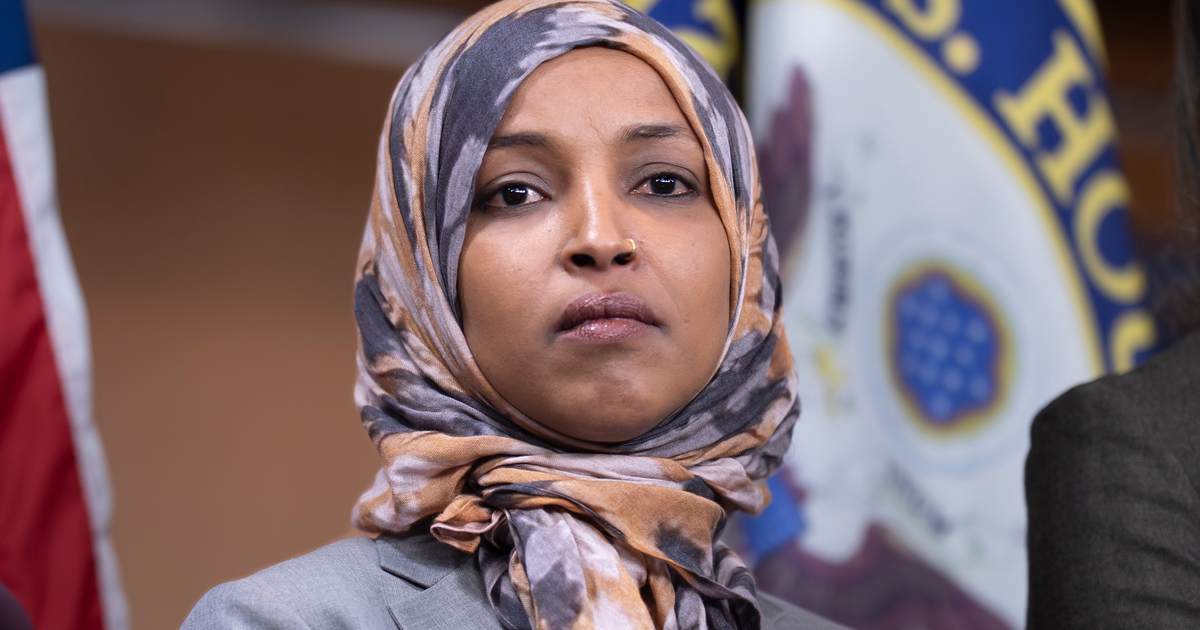
Federal Raid Targets Omar Amid Unresolved Name and Marriage Allegations
Agents searched Rep. Ilhan Omar's DC residence over immigration fraud allegations; she called it bizarre. Reports and commentary questioned her birth name and past marriage details.

Supreme Court Upholds New Hampshire Student ID Voting Ban
The Supreme Court upheld New Hampshire's ban on student IDs as valid voter identification just before midterms, affecting a tight Senate race.
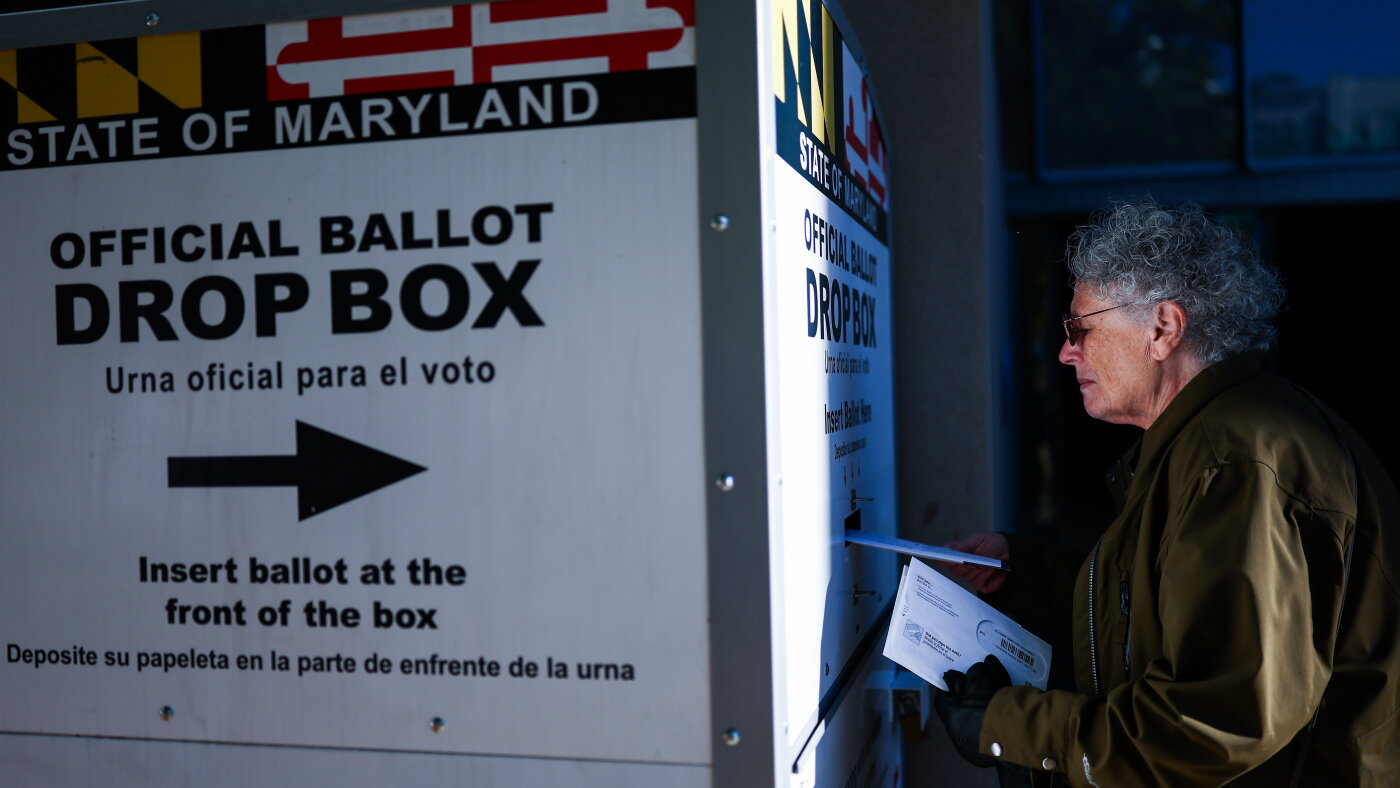
Early Voting Hits 21 Million as Most Trust Midterm Accuracy
Millions have already voted early as parties make final appeals amid $1.4 billion in ad spending; polls show confidence in election accuracy.
The Compass
You just read five takes on one story.
What's your take? Find your political shape in a few minutes.
Take the test